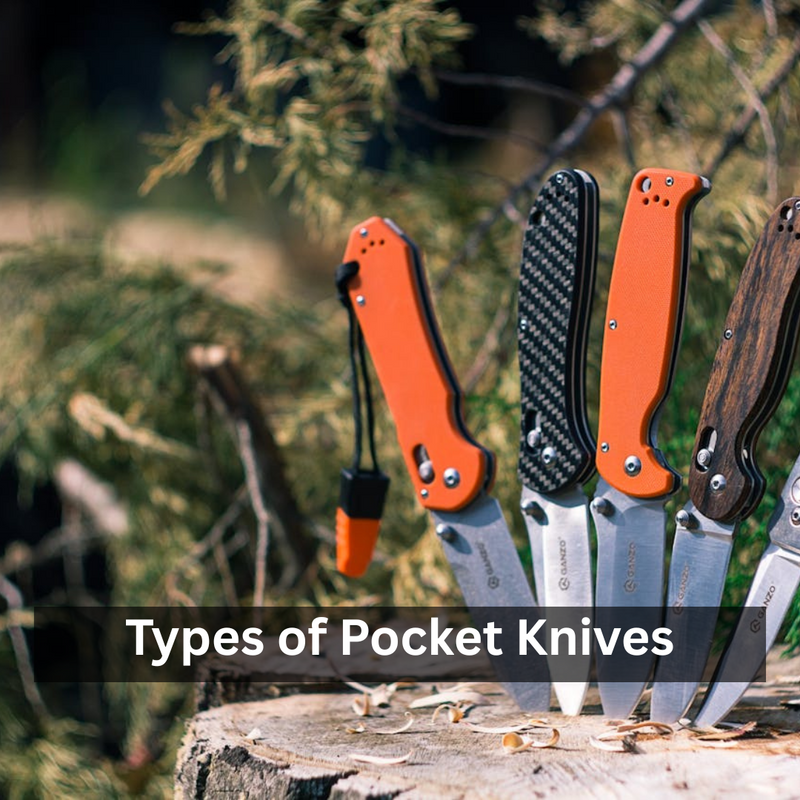
Types of Pocket Knives
Posted by Heinnie Haynes on 1st Sep 2025
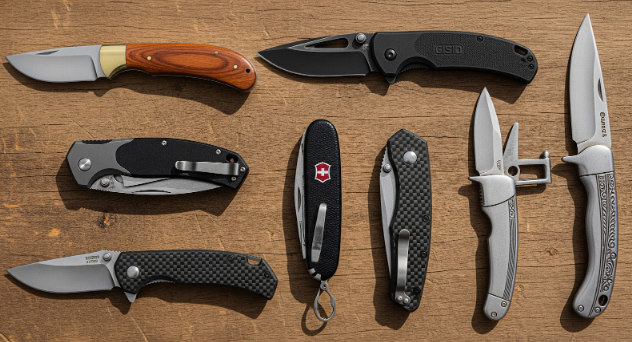
Understanding the various pocket knife designs helps you select the right tool for your needs. Each blade type serves different purposes, from everyday tasks to outdoor activities. When choosing your next pocket knife, knowing the strengths and legal status of each design ensures you make the right choice.
Pen Blade and Pen Knife Designs
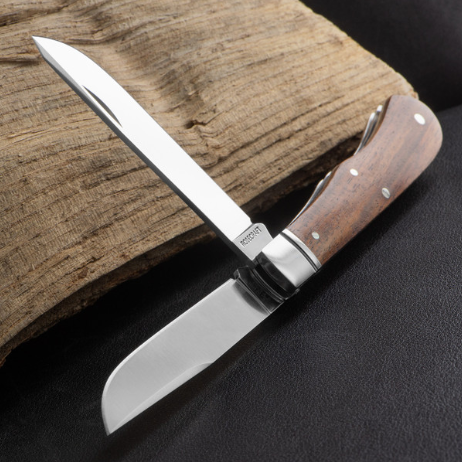
A traditional pen blade represents one of the most traditional pocket knife designs. These slim, narrow blades typically measure between 2.5 to 3.5 inches and feature a straight cutting edge that tapers to a fine point. Traditional pen knives often include multiple small blades in a compact frame.
Pen blades excel at precision cutting tasks. You can use them for opening packages, cutting string or performing detailed work where accuracy matters more than power. The narrow profile makes these blades perfect for reaching into tight spaces.
Sheepfoot Blade Configuration
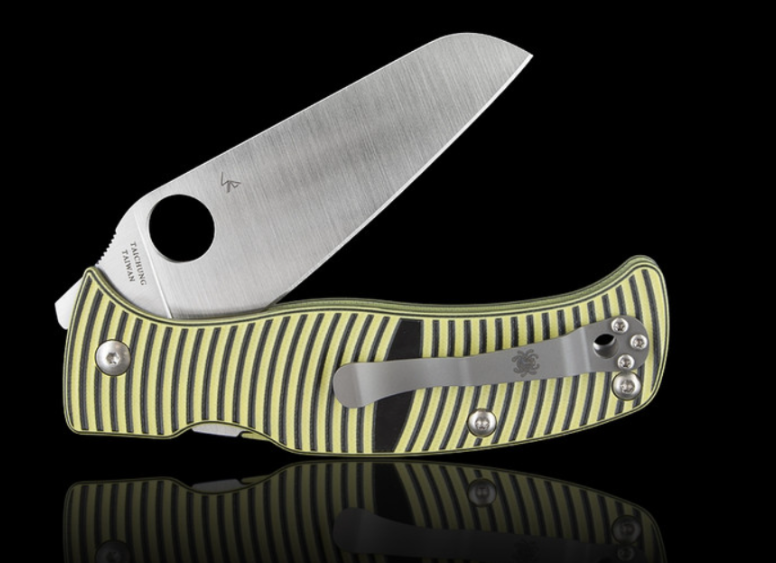
Sheepfoot blades feature a straight cutting edge with a curved, blunt tip. The spine runs straight then curves down to meet the edge, creating a blade shape that resembles a sheep's hoof. This design eliminates the pointed tip entirely.
The sheepfoot excels at slicing tasks where you need to avoid accidental punctures. You can safely cut rope, cardboard or other materials without worrying about the tip catching or poking through. Emergency responders favour this design because it reduces the risk of injury when cutting clothing or materials near people.
Hawkbill Blade Variations
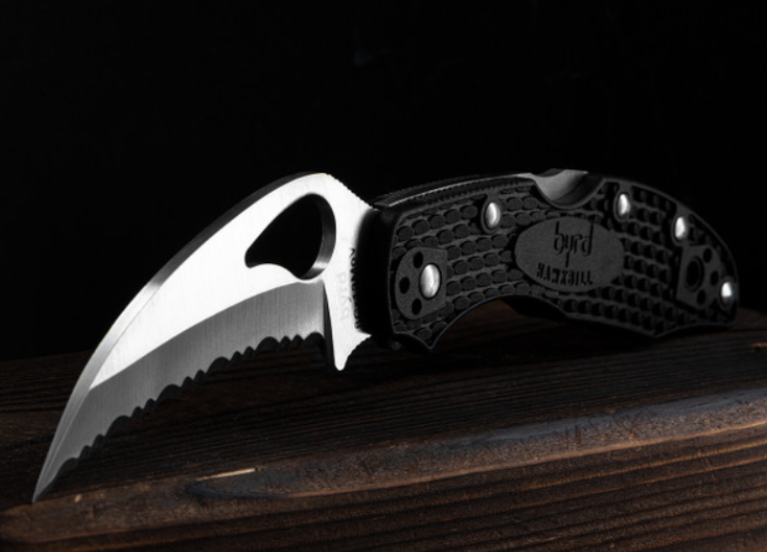
Hawkbill blades curve inward like a bird's talon, with the sharpened edge on the inside of the curve. Two main variants exist: the traditional hawkbill with a moderate curve, or with a pronounced inward curve.
These blades cut through rope, carpet and other materials with a pulling motion. The curved design traps material against the cutting edge, making it particularly effective for cutting tasks where you can hook and pull. Roofers and carpet installers often choose hawkbill designs for their specific cutting needs.
Spear Point Blade Design
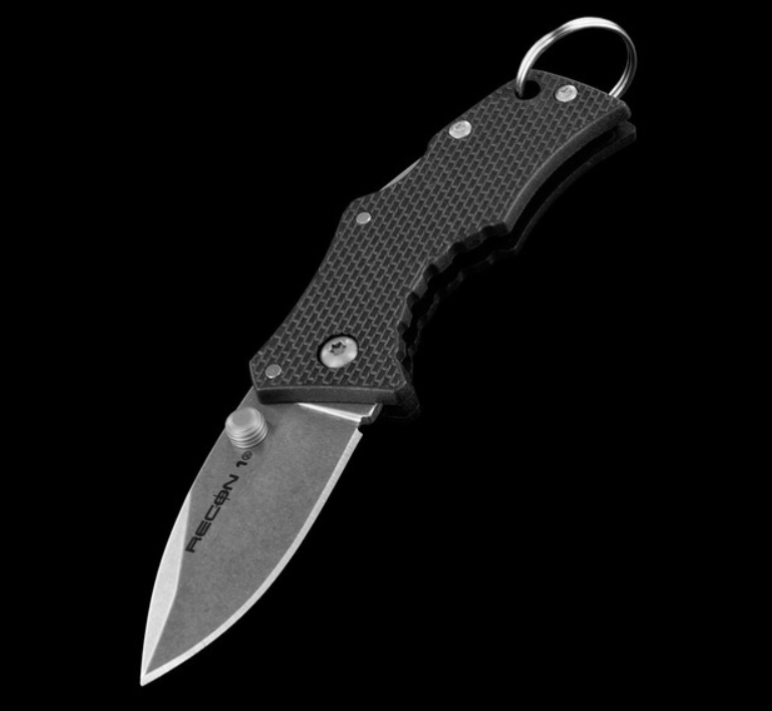
Spear point blades feature a symmetrical point with both edges tapering equally to the tip. The blade resembles a miniature spear head, with the point centred on the blade's axis. This creates a strong, balanced design suitable for cutting and piercing tasks.
The spear point provides excellent penetration capability while maintaining good cutting performance along both edges. You can use this design for detailed work requiring precision, though the sharp point means you need to handle it carefully during use.
Clip Point Blade Configuration
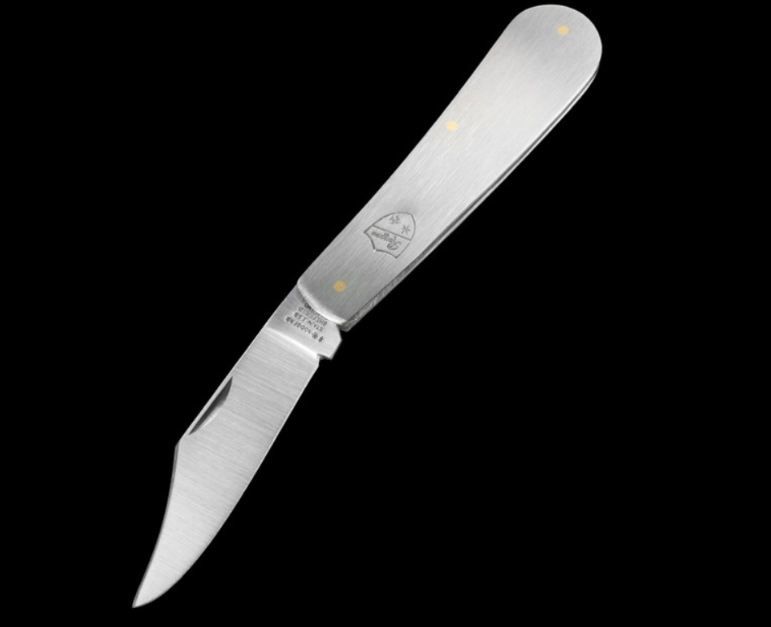
Clip point blades feature a straight cutting edge with a ‘clipped’ or cut away section near the tip on the spine side. This creates a thinner, more acute point while maintaining cutting power along the main edge. The clip can be straight or curved.
This design offers excellent piercing capability due to the fine point, while the full cutting edge provides good slicing performance. The best pocket knives are durable, reliable and versatile, and clip point designs often meet these criteria for general use.
Spey Blade Configuration
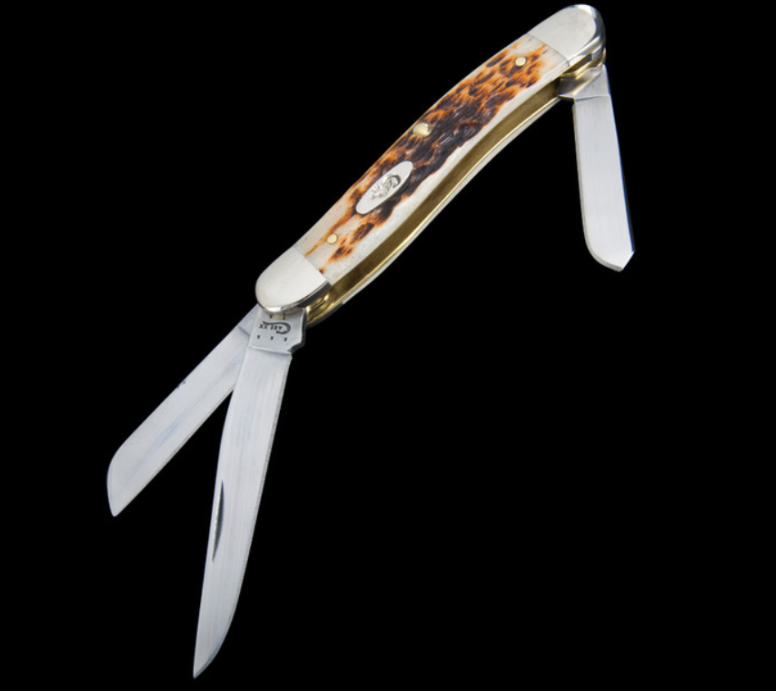
Spey blades feature a straight cutting edge with a curved, upswept tip. The spine remains straight while the edge curves upward to meet it, creating a blade shape optimised for skinning and precision cutting tasks. Traditional spey blades appear in many classic pocket knife patterns.
The spey blade excels at skinning and detailed cutting work where you need to follow curves or contours. The upswept tip provides good control for precision tasks, and the straight portion of the edge handles general cutting duties.
Choosing the Right Blade Type
Your intended use determines the best blade type for your needs. Consider where and how you plan to use the knife, along with UK legal requirements.
- Non-locking folding knives with blades under 3 inches are legal to carry in public in the UK without a specific reason. Anything larger or with a locking mechanism requires a valid reason. Heinnie Haynes clearly labels ‘UK Friendly’ knives to help you stay compliant, and our team is always happy to guide you through the legalities.
Heinnie Haynes stocks a wide range of folding pocket knives and Swiss Army knives to meet different needs and preferences. Each blade type serves specific purposes, and understanding these differences helps you select the right tool for your requirements.
Since 1996, Heinnie Haynes has built a reputation for providing quality knives and honest advice. As an employee-owned business, Heinnie Haynes focuses on customer service and product knowledge to help you find the right knife for your needs.
Why not check out our other great blogs For Gear Recommendations And Outdoor Survival Tips