How to Maintain Your EDC Gear: A Weekly Routine That Keeps Your Kit Ready
Posted by HH on 24th Jul 2026
Maintaining your EDC gear is the best habit you can build to keep your kit dependable and safe. A short weekly routine covering cleaning, lubrication, edge care and functional checks is all it takes to keep every item in your everyday carry kit working as it should. Gear that's looked after properly lasts longer and performs better.
Estimated reading time: 7 minutes
Key Takeaways
- A quick wipe-down after use is where daily EDC maintenance starts: moisture and debris do the most damage
- The right lubricant depends on the material and mechanism. The wrong one does more harm than good
- Edge maintenance is a weekly task. A folder that can't cut cleanly isn't doing its job
- Multi-tool joints and plier mechanisms need specific attention that most owners miss
- Torch care gets overlooked. A failing light at the wrong moment is a real problem
- A weekly carry check flags issues before they become failures
Why is daily EDC maintenance worth the effort?
Daily EDC maintenance is worth it because neglected gear degrades far faster than gear that gets consistent basic care. Salt air, pocket lint, sweat and everyday grime work continuously on metal, pivot points and coatings. Two minutes at the end of each day to wipe things down, check for debris in joints and get everything clean and dry is the highest-return habit in EDC ownership.
It's how a craftsman treats their tools. The care is part of the respect for the object. And the reward is a kit that doesn't let you down.
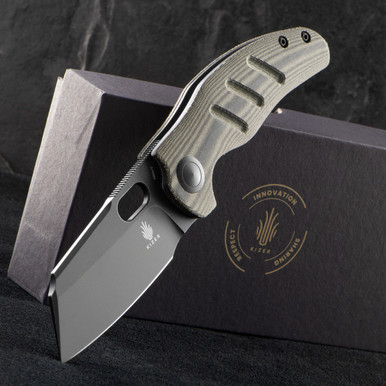
What's the right way to clean a folding knife?
The right way to clean a folding knife is to open the blade fully, clear all debris from the pivot, liner and blade channel using a soft brush or compressed air, then wipe every surface with a lint-free cloth before applying a light amount of the right lubricant to the pivot and lock areas. If your knife has a pocket clip, get the grit from underneath it. That's a common source of scratching on the blade and handle scales.
For a deeper clean, particularly after outdoor use or contact with food or moisture, use warm water and a small amount of washing-up liquid with a toothbrush on the handle and blade channel. Dry it thoroughly before lubricating. Water left in a pivot corrodes fast: stainless steel is corrosion-resistant, not corrosion-proof. Spyderco and Benchmade both publish maintenance guidance for their models, and warranty terms differ between makers. Benchmade's warranty is voided if anyone other than its Warranty department disassembles a knife, so Benchmade directs owners to its service team rather than home disassembly. Spyderco designs its folders to be cleaned and lubricated without taking them apart. Either way, if a clean doesn't restore the action, follow the manufacturer's own guidance or use its service department rather than forcing a disassembly.
For long-term pivot lubrication, a purpose-made knife oil or a PTFE-based lubricant is the better choice. Light penetrating oils are fine for a quick clean and to displace moisture, but a dedicated lubricant holds up better over time and leaves a more durable film on the pivot.
How are multi-tools best maintained week to week?
Multi-tools are best maintained by working through each implement one at a time. Open everything, wipe the tool body and the inside of the handle cavities, then apply lubricant to the pivot points of the implements specifically, not the handles. Leatherman recommends a PTFE-based lubricant for pivoting and wear areas. Lint, food and moisture trapped in the handle channels can cause tools to stick, corrode or lose spring action.
A weekly routine should cover:
- Opening all implements and wiping the inner channel with a cotton bud or lint-free cloth
- Applying one drop of thin pivot oil to each implement's hinge and working it back and forth
- Checking the locking mechanism on the knife blade or saw if your tool has one
- Looking at the bit driver or screwdriver heads for wear if you use them regularly
Drying any moisture from the plier head, which gets the most use and the least attention
If you carry a multi-tool every day in a demanding environment, a wipe-down every couple of days makes sense.
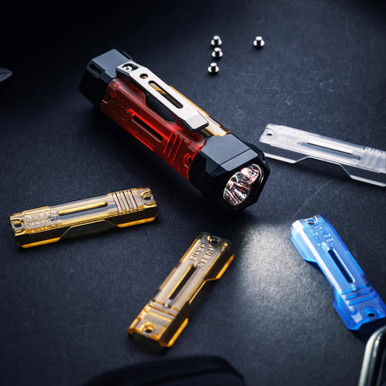
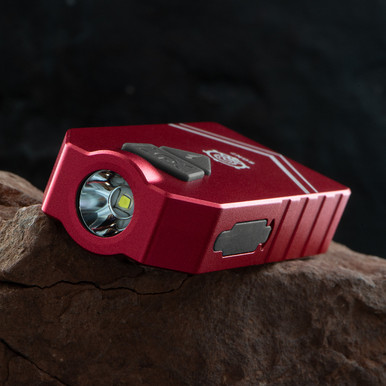
Is there a schedule worth following for torch maintenance?
There is, and most people ignore it entirely. Pocket torches are mechanical and electronic, and their failure points are predictable: contact corrosion, O-ring wear, a dirty lens and battery leakage. A weekly check should cover wiping the lens, looking at the tail cap and head threads for grit or corrosion, and keeping the O-ring seals clean and lightly greased with a silicone lubricant if your torch is waterproof.
Battery care matters. Rechargeable 18650 cells shouldn't sit fully discharged for extended periods. For long-term storage, Fenix advise in their own 18650 guidance that around 50% charge is better than 100%. Storage recommendations can vary by brand, so check the guidance for your specific torch and battery. If your torch runs on standard alkaline cells and you're putting it away for more than a few weeks, take the batteries out. Alkaline leakage causes contact damage that's easy to avoid and costly to fix.
What does a weekly EDC rotation check look like?
A weekly EDC rotation check is a five-minute review of everything you carry, done at a consistent time. Sunday evening works well. The point is to confirm your kit is complete and ready before the week starts.
Work through it in order:
Folding knife: paper test (does it slice a sheet of printer paper cleanly without tearing?), pivot action, locking mechanism, clip security
Multi-tool: all implements open and close cleanly, no stiff joints, bits accounted for
Torch: switch test, beam check across all modes, battery level, no play in the head or tail cap
Wallet or card carrier: stitching intact, RFID sleeve in good condition, no excess bulk from cards you don't need
Watch: strap or bracelet integrity, crown secure, crystal clean, complications working correctly
Any additional carry (pen, ferro rod, small fixed blade if you carry one legally): pen writes, ferro rod striker is intact and rod free from surface corrosion, sheath retention is sound
If something fails, it comes out until it's sorted. 90% ready isn't ready.
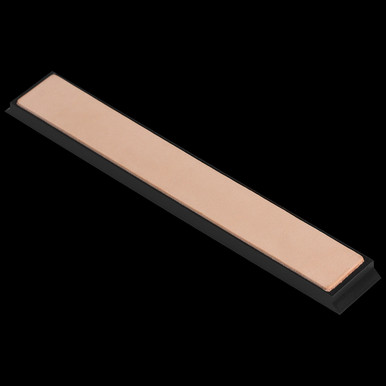
When should you sharpen rather than strop?
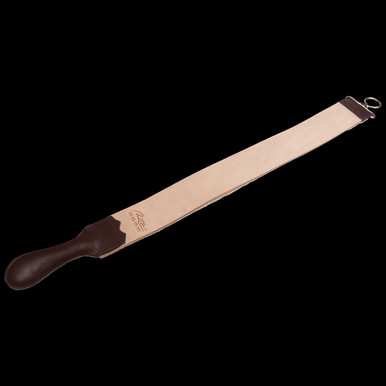
It's time to sharpen rather than strop when the blade edge has a rolled or chipped section that stropping alone can't address. A leather strop with a fine polishing compound is the right tool for regular edge upkeep. It refines and polishes the edge, removing small burrs and smoothing microscopic imperfections, with far less metal removal than sharpening. Sharpening removes material to rebuild the apex, so save it for when the edge has genuinely gone.
The paper test tells you which you need. Hold a sheet of printer paper upright and slice through it. A strop-ready edge cuts cleanly with light pressure. An edge that tears or drags needs sharpening. For most EDC use, a folder sharpened correctly and stropped regularly will hold its edge for months. Ceramic pocket sharpeners are good for a quick touch-up on the go. But if the edge needs proper work, use a whetstone or a guided sharpening system at the right angle for your grind. A pull-through sharpener won't cut it.
Your kit is only as good as the condition you keep it in. These routines don't take long, but they make a real difference to how your gear performs and how long it lasts. If you want honest advice on building out your carry or comparing specific items, book a call with the Heinnie Kit Assist team. No pressure, no scripts. Just real help from people who know the gear.
Disclaimer: The advice in this guide is for general information only and covers everyday carry gear sold legally in the United Kingdom. Knife maintenance, storage and carry must comply with current UK knife law. Heinnie Haynes is not responsible for misuse, poor maintenance or damage caused to yourself, others or your equipment. Always check the manufacturer's instructions for your specific product, and get professional advice for anything you're not sure about.
Why not check out our other great blogs For Gear Recommendations And Outdoor Survival Tips