Water Purification Methods: Ensuring Safe Drinking Water in Emergencies
Posted by Heinnie Haynes on 12th Aug 2025
When contaminated water threatens your survival, reliable purification systems become your lifeline. Emergency situations demand proven methods that work consistently under pressure, and understanding which approach suits your specific circumstances can mean the difference between safety and serious illness.
Physical Filtration: Your First Line of Defence
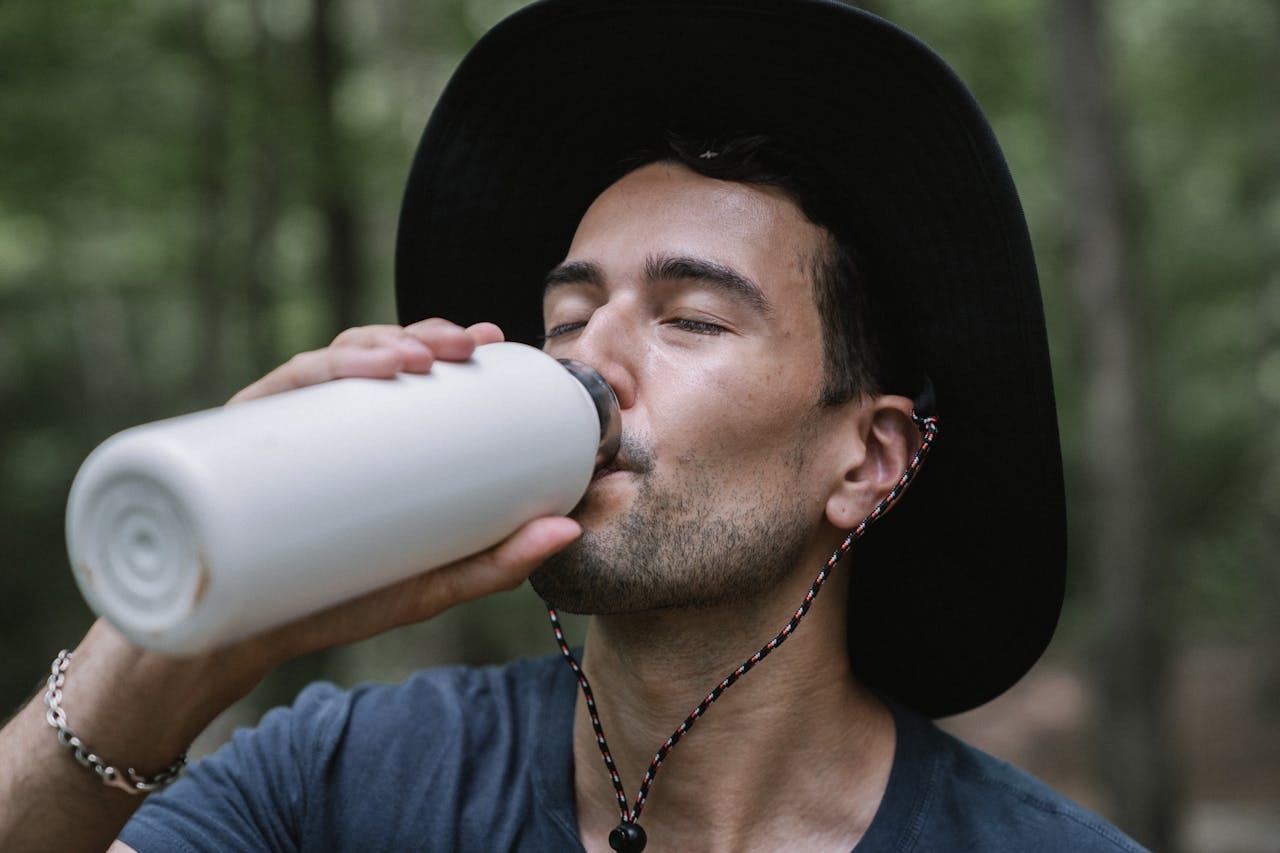
Physical filtration removes particles, bacteria and protozoa through mechanical barriers. Modern portable filters excel in emergency scenarios because they operate without power or chemicals. The LifeStraw Peak Series Personal Water Filter Straw exemplifies this approach, removing 99.999999% of bacteria and 99.999% of parasites through its hollow fibre membrane technology.
Membrane filtration systems work by forcing water through microscopic pores that trap contaminants and allow clean water molecules to pass through. These purification systems prove particularly effective against Giardia, Cryptosporidium and E. coli - common waterborne threats in emergency situations.
For situations requiring higher volumes, the Membrane Solutions Water Filter Straw offers enhanced flow rates and maintains filtration standards. These systems work immediately upon deployment, requiring no preparation time when every minute counts.
Chemical Purification: Eliminating Viral Threats
Chemical purification addresses pathogens that physical filters cannot capture, particularly viruses. Chlorine dioxide tablets, such as Katadyn Micropur Forte Water Treatment Tablets, neutralise bacteria, viruses and Giardia through oxidation processes.
Each tablet treats one litre of water, requiring 30 minutes for bacteria and viruses, and four hours for Giardia. The tablets remain stable for years when stored properly, making them essential components of long-term emergency preparedness kits.
UV purification presents another chemical-free approach, using ultraviolet light to damage pathogen DNA. Portable UV devices work within seconds but require clear water for optimal effectiveness and battery power for operation.
Combination Systems: Maximum Protection
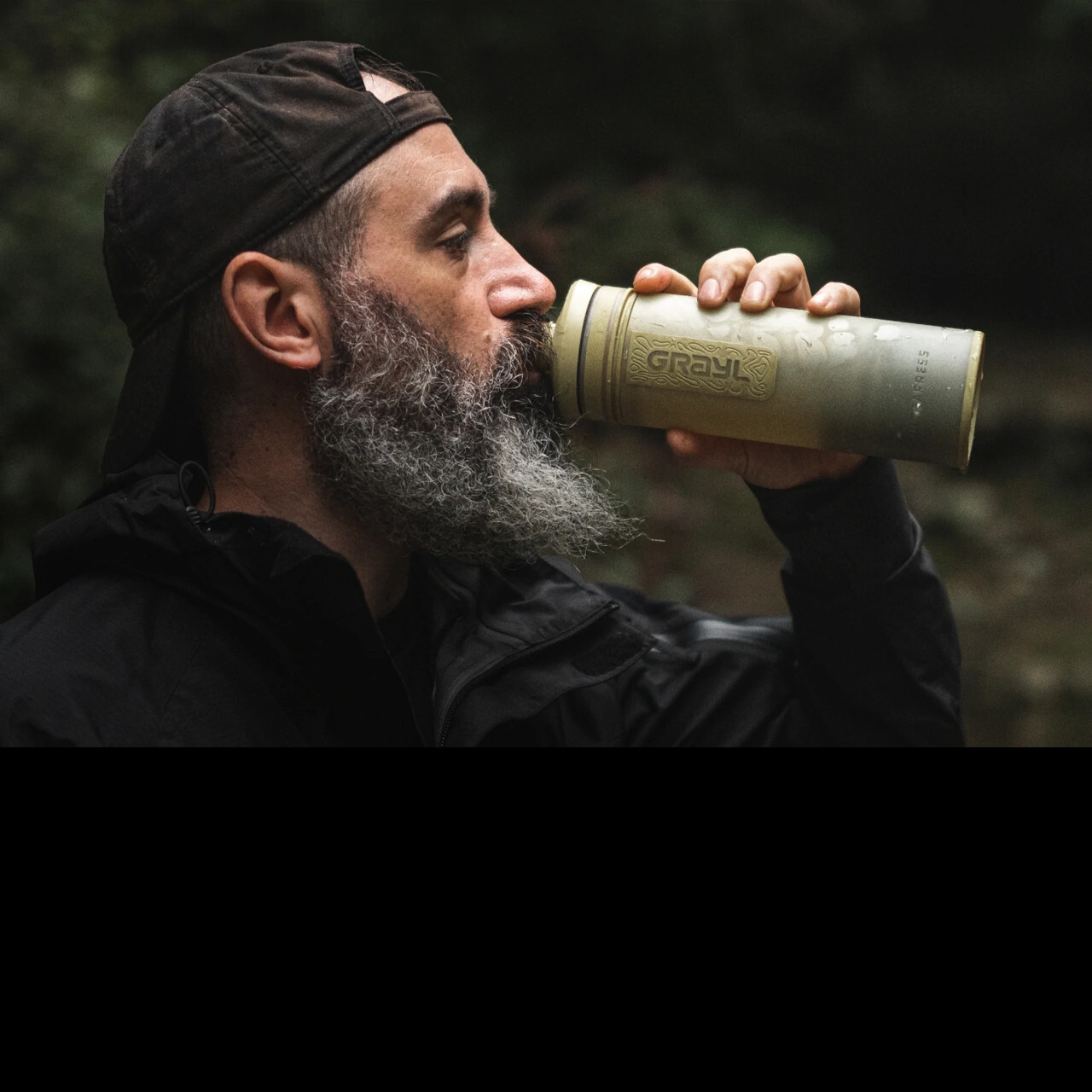
Advanced purification systems combine multiple technologies for comprehensive pathogen removal. The Grayl Ultrapress Covert Water Purifier integrates mechanical and electroadsorptive filtration, removing viruses, bacteria, protozoa, chemicals and heavy metals in a single pressing action.
This approach proves particularly valuable in unknown water sources where multiple contamination types may exist. The system processes 500ml in 10 seconds, providing immediate access to safe drinking water without waiting periods.
The Grayl Geopress extends this concept further, handling 710ml per press while maintaining the same broad-spectrum purification capabilities. These systems work effectively in turbid water conditions where other methods struggle.
Boiling: The Universal Standard
Boiling remains the most reliable emergency purification method when fuel and containers are available. Water reaches pathogen-killing temperatures at 70°C, though rolling boils at 100°C provide additional safety margins. At sea level, one minute of boiling eliminates all common waterborne pathogens.
At altitudes above 2000 metres, extend boiling time to three minutes to compensate for lower boiling points. This method requires no equipment beyond a heat source and container, making it universally applicable regardless of water source quality.
Solar Disinfection: Zero-Equipment Solutions
Solar disinfection (SODIS) uses UV radiation and heat from sunlight to neutralise pathogens in clear plastic bottles. Fill transparent PET bottles completely, shake vigorously then expose to direct sunlight for six hours on sunny days or two days during cloudy conditions.
This method costs nothing and works anywhere with adequate sunlight, though it requires clear water and transparent containers. SODIS proves particularly valuable for community-scale emergency purification when commercial systems are unavailable.
Selecting Your Emergency Purification Strategy
Your choice of purification systems depends on specific threat assessments and available resources. Urban emergencies often involve chemical contamination requiring activated carbon filtration, while wilderness scenarios typically focus on biological threats manageable through physical filtration and chemical treatment.
Consider water clarity when selecting methods. Turbid water clogs fine filters quickly, and clear water allows all purification approaches to function optimally. Pre-filtration through cloth or sedimentation improves performance across all system types.
Temperature affects chemical purification effectiveness. Cold water requires longer contact times for tablets, and hot weather accelerates chemical reactions. Plan treatment times accordingly based on ambient conditions.
Maintenance and Storage Considerations
Purification systems require proper maintenance to function reliably during emergencies. Store chemical tablets in cool, dry conditions away from direct sunlight. Check expiry dates regularly and rotate stock to maintain effectiveness.
Physical filters need periodic cleaning or replacement depending on usage volume and water quality. Monitor flow rates as indicators of filter condition, and carry spare cartridges for extended deployments.
Testing your chosen systems before emergencies arise ensures familiarity with operation procedures and identifies any equipment issues while solutions remain readily available.
Why Choose Heinnie Haynes for Emergency Purification Systems
Your emergency preparedness demands equipment that functions flawlessly when conventional infrastructure fails. Heinnie Haynes stocks proven purification systems from manufacturers with decades of field experience, ensuring you receive equipment trusted by professionals worldwide.
The curated water purification section focuses on systems that deliver consistent performance across varied emergency scenarios. Each product undergoes rigorous evaluation for reliability, effectiveness and ease of use under stress conditions.
Emergency situations leave no room for equipment failure. The purification systems available through Heinnie Haynes have proven themselves in real-world deployments, providing the confidence you need when clean water becomes your primary survival concern.
Frequently Asked Questions (FAQs)
How long do water purification tablets remain effective?
Katadyn Micropur Forte tablets maintain effectiveness for 5+ years when stored in cool, dry conditions away from direct sunlight.
Can physical filters remove viruses?
Standard physical filters cannot remove viruses due to their microscopic size. Combination systems or chemical treatment are required for viral protection.
What's the minimum safe boiling time for water purification?
One minute at rolling boil at sea level, three minutes above 2000 metres altitude.
How much water can portable filters process before replacement?
LifeStraw filters process up to 4,000 litres, and Grayl cartridges handle 300-500 litres depending on water quality.
Do UV purifiers work in cloudy water?
UV effectiveness decreases significantly in turbid water. Pre-filter cloudy water through cloth or allow sediment to settle first.
Why not check out our other great blogs For Gear Recommendations And Outdoor Survival Tips