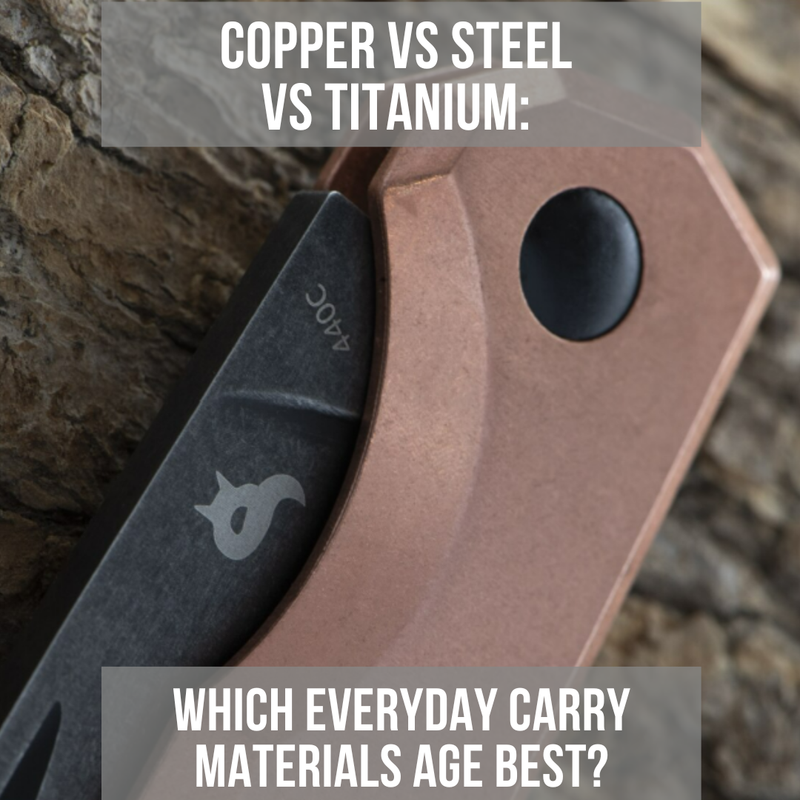
Copper vs Steel vs Titanium: Which Everyday Carry Materials Age Best?
Posted by HH on 18th Jun 2026
If you've spent any time building out your everyday carry setup, the question arrives eventually: does the material actually matter? It does. Completely. Whether you're choosing a knife handle, a pen body or a carabiner clip, the everyday carry materials you choose determine how your gear looks, feels and performs a decade from now.
This guide is for anyone serious about their everyday carry supplies. The kind of person who doesn't replace gear because it broke, but because something better came along. Our everyday carry category covers copper, steel and titanium across a curated range of carry gear. We're looking at each in detail. How they age and wear and what each one asks of you, so you can make a more informed choice before you spend.
The most popular everyday carry materials and their uses
Before you reach for your next piece of EDC gear, it helps to understand where each of these materials actually shows up. Copper, steel and titanium each appear across everyday carry items in different roles. Understanding what each one does well is the foundation of a kit you'll actually keep.
Where is copper used?
Copper turns up in pen barrels, carabiners, coin-style pocket tools, lighter casings and bead embellishments for lanyards or paracord. It's rarely the structural choice (its softness means it won't hold an edge or bear a heavy mechanical load), but copper everyday carry pieces are valued for something else entirely: the way they change. Copper develops a layered patina with regular handling. The oils from your skin, the friction from a pocket, the slow chemical reaction with air, all of it builds a visible record on the surface. That's a large part of the appeal.
Where is steel used?
Steel everyday carry is the default setting for most of the category. Knife blades, multi-tool bodies, clip hardware, pry bars, money clips, watch cases: steel is everywhere because it earns its place. It's strong, edge-retentive when alloyed correctly, resistant to deformation and available in grades from the budget-functional to the collector-grade. When someone asks what the best EDC gear in the UK is built from, the honest answer is usually steel. The unglamorous backbone of the carry world, reliable and built for purpose.
Where is titanium used?
Titanium everyday carry covers knife handles, multi-tool frames, pens, carabiners, key organisers and watch cases. Titanium doesn't replace steel in blades (it won't hold a fine edge as well as quality steel alloys), but it's an exceptional frame and housing material. Lightweight, corrosion-proof and stronger per gram than most steels, titanium has become the prestige choice for handles and carry accessories where weight and longevity both matter.
Each material has a different role in a well-built everyday carry (EDC) kit list in the UK. Understanding which does what, and why, is how you avoid buying twice.

Comparison of ageing and durability
Material ageing is where the real differences between copper, steel and titanium become most apparent. Scratch resistance is only part of the picture. It's about how a piece responds to use over time. Whether it degrades, develops character or simply endures. The everyday carry materials you choose today will look and feel different in five years. Some will improve with wear. Some will demand more attention. Here's what to expect from each.
The properties of copper
Copper is a reactive metal. The properties of copper that make it so visually compelling (its warm reddish-gold colour and high reflectivity when polished) are also the properties that change most dramatically over time. Exposed to air and moisture, copper forms a layer of copper oxide first, then develops a deeper, darker patina as handling continues. Regular pocket carry accelerates this in the most pleasing way. The oils from your skin, the warmth of your pocket, the constant low-level friction - all of it builds a surface that ends up looking entirely your own. In a humid environment or in frequent contact with perspiration, the process runs faster and less predictably. Managed with care, a copper carry piece at three years looks like no one else's.
The properties of steel
The properties of steel vary considerably depending on alloy composition, and that variation matters more than most buyers realise. Stainless steel resists surface corrosion well in normal carry conditions, but scratches accumulate over years of use and the original finish gradually softens. Areas of prolonged moisture contact can rust if the steel grade is lower: 420 stainless, for instance, is far more vulnerable than a modern super-steel like S35VN or CPM-20CV. High-end stainless alloys age well. Their hardness limits surface scratching, and proper maintenance keeps corrosion from gaining any foothold. Carbon steel, used in some knife blades, tells a different story. It develops a patina similar in spirit to copper's, which actually protects the underlying metal if managed correctly. It asks more of you, but it rewards the effort.
The properties of titanium
Titanium is, in most carry scenarios, almost uniquely resistant to surface degradation. The properties of titanium that matter most for EDC are its exceptional strength-to-weight ratio and its passive oxide layer (a naturally forming, protective film that makes it effectively immune to corrosion under normal conditions). Over years of carry, the changes are modest: fine surface scratches accumulate and the finish settles into a gentle matte texture from constant pocket friction. No rust, no tarnish, no green patina. Its colour stays stable: grey to dark charcoal in its natural state, with some grades showing a blue-purple hue when anodised. Some users deliberately bead-blast or tumble their titanium pieces from the start, chasing that worn texture straight away.
Which metal is more durable?
Durability in everyday carry in the UK context means several things at once: scratch resistance, impact resilience, edge retention for blades, resistance to deformation and the longevity of surface finish over years of real use. Here's how these EDC materials compare when you examine the pros and cons honestly.


Is titanium steel better than copper?
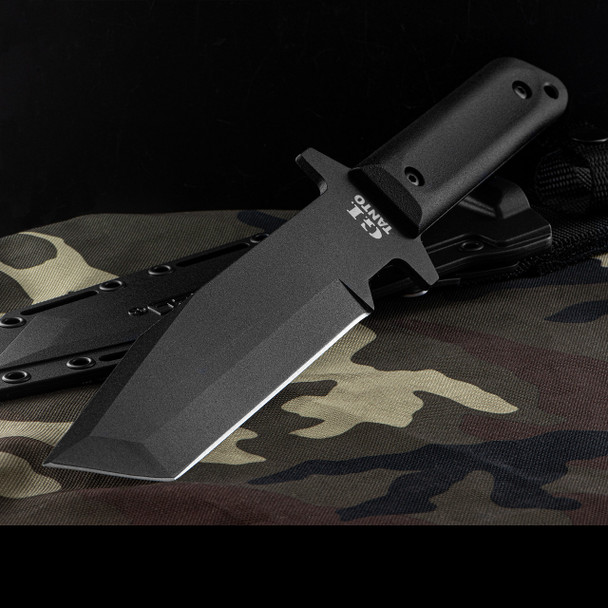
This question needs unpacking because ‘titanium steel’ isn't a single material. Titanium and steel are distinct metals, and the phrase is often used loosely to mean titanium-alloy steel or simply high-grade steel. In practice, the question usually comes down to this. Is a titanium-framed or titanium-handled carry item better than a copper one?
For structural EDC components, yes. Titanium outperforms copper on almost every practical measure, including strength, corrosion resistance, weight and finish longevity. For everyday carry essentials where performance under daily mechanical stress is the priority (a knife handle, a key organiser, a carabiner clip or a multi-tool frame taking repeated loading), titanium or quality steel is the right call.
Copper holds its ground on different terms. The differences between the two materials are meaningful but non-competitive. Titanium gives you a consistent, low-maintenance carry item that will look essentially the same in ten years; copper gives you something that develops visible character, tells a story and becomes visually distinct over time. Neither is objectively superior. They serve different purposes within an EDC setup.
If you want the material itself to become part of the story of an object, to age rather than merely wear, copper has no equivalent. If you're after a purely practical carry item, titanium or steel is the right foundation.
Which metal is right for you?
The answer depends on what you want your gear to do and, just as importantly, what you want it to become.
If you're building a practical, performance-led everyday carry setup, steel and titanium do the structural work. Steel everyday carry covers your blades, multi-tool components and clip hardware (the parts where edge retention and hardness matter most). Titanium everyday carry covers handles, frames and lightweight accessories (the parts where you want strength without weight and zero corrosion concern). Between them, they cover most of what a serious carry kit demands.
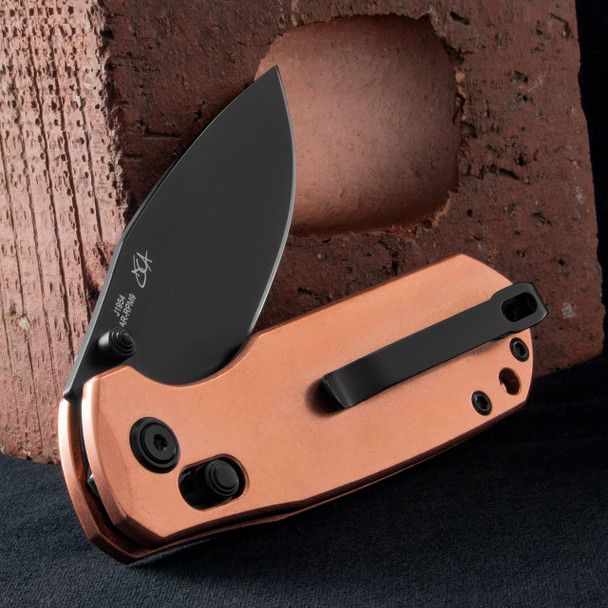
If you value character in your gear, copper everyday carry adds a dimension that steel and titanium simply can't match. A copper pen barrel or bead that's been on your keys for three years looks like nothing else in the world, because it's been nowhere else. That's the point.
For most people refining their everyday carry in the UK, the practical answer is a combination: steel for anything requiring edge retention or mechanical precision; titanium for handles, frames and accessories where weight and long-term durability are priorities; copper for the pieces where aesthetics and a deepening patina are the whole reason to carry them. That's how you build a kit that performs and develops character at the same time.
Browse our full everyday carry range to see how these materials show up across our selection of everyday carry items, or book a free 20-minute call through Heinnie Kit Assist if you want a steer from someone who carries this gear every day. No script, no pressure. Just honest advice on choosing the best EDC gear in the UK for how you actually live.
Why not check out our other great blogs For Gear Recommendations And Outdoor Survival Tips