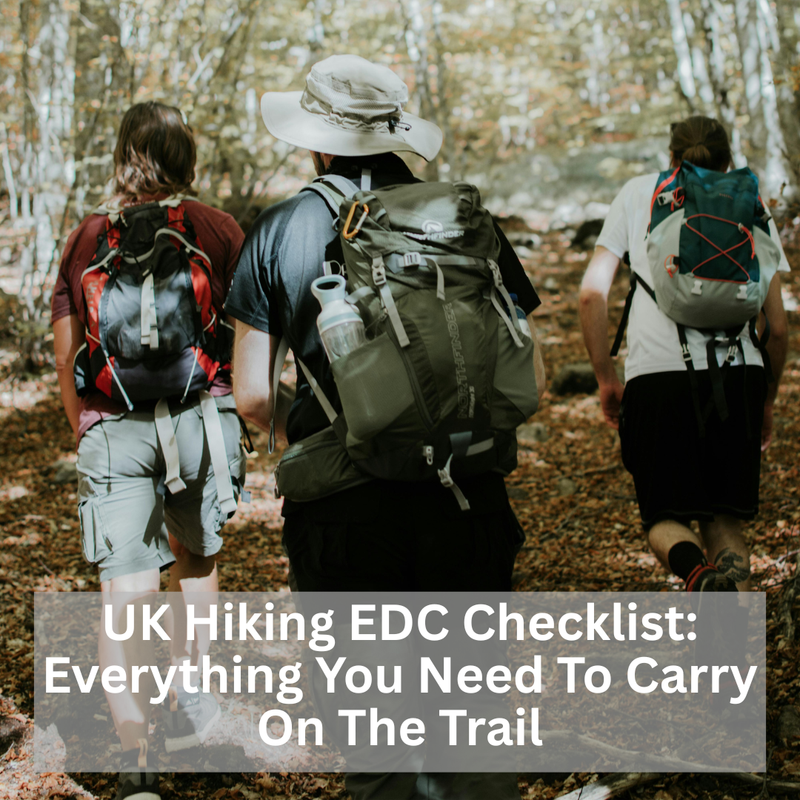
UK Hiking EDC Checklist: Everything You Need To Carry On The Trail
Posted by Heinnie Haynes on 8th May 2026
Estimated reading time: 7 minutes
Most people pack too much or too little. A bag full of "just in case" gear that never gets used, or a day pack missing the one thing that would have mattered. Getting the balance right is what a UK hiking EDC checklist is actually about.
These ten picks were chosen with UK conditions in mind: changeable weather, varied terrain and the kind of days where the forecast lies. Each item earns its place by solving a real problem on the trail, not by looking good in a flat lay. At Heinnie, we've been helping people carry the right kit since 1996, and these are the items we'd actually put in our own packs.
What should be on a UK hiking EDC checklist? Top 10 trail essentials that earn their weight.
The items below aren't here because they're popular. They're here because they solve real problems on UK trails, from a sudden weather change on a Welsh ridge to a blister forming two miles from the car park. Here's what earns its place.
1) Headtorch you trust (even on a day hike)


Most day hikers don't plan to be out after dark. That's exactly when a headtorch matters most.
Delays happen. Paths take longer than expected. Descents get tricky in fading light. Rescue data highlights that poor preparation, including inadequate lighting, is a recurring factor in UK hill incidents.
A headtorch belongs in your pack on every outing, not just overnight trips. The Wuben H1 Ultralight Headlamp is a solid choice: compact, genuinely light and bright enough to navigate rough ground safely.
Check the battery level before every walk. A headtorch you forgot to charge is no headtorch at all.
2) Power for your phone and headtorch
Your phone is your backup navigation, your emergency contact and your camera. It's also the first thing to go when you need it.
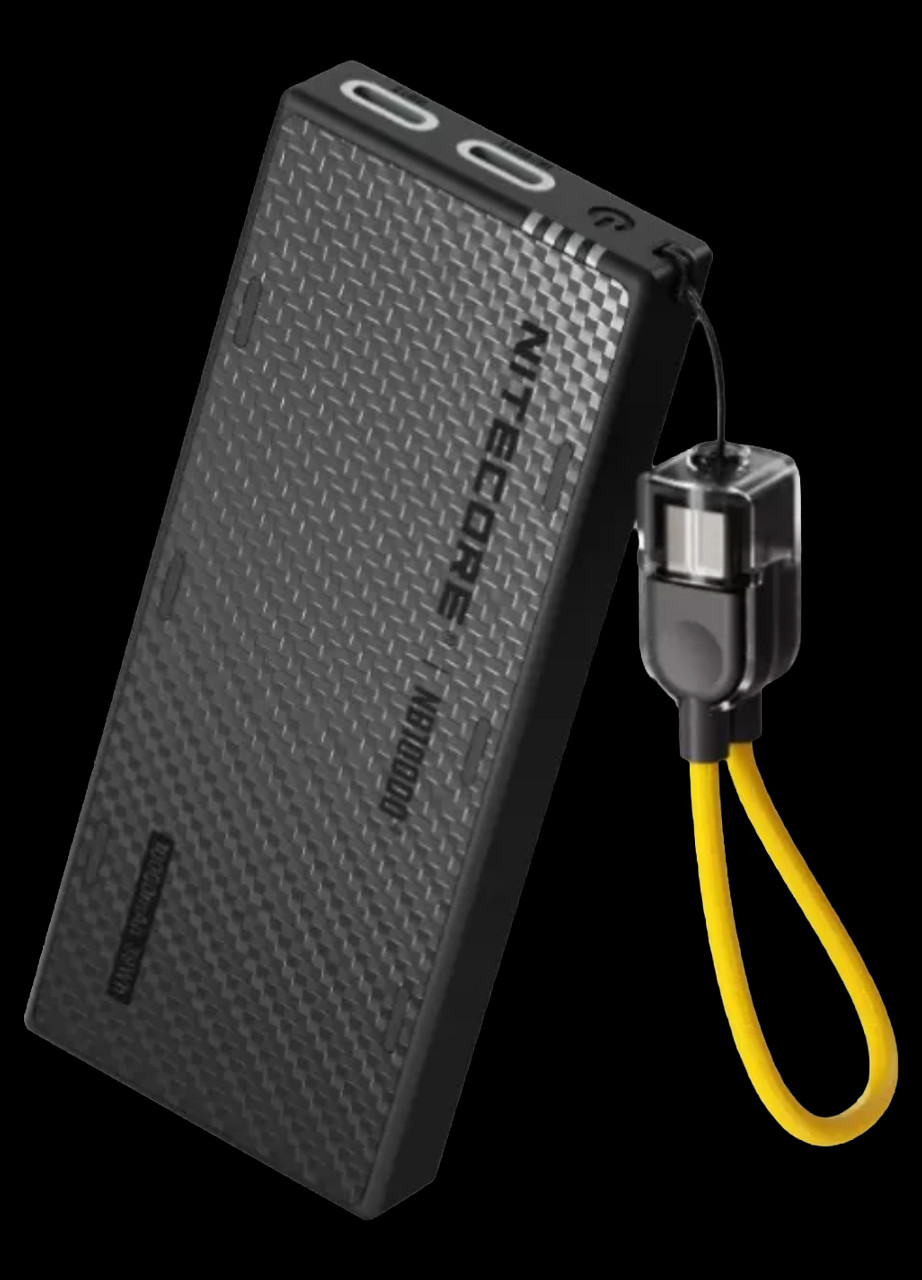
A compact power bank removes that risk. The Nitecore NB10000 GEN4 Powerbank is worth considering: 10,000mAh in a slim, lightweight form that won't punish your pack weight. It'll top up your phone and recharge a USB-powered headtorch without drama.
Keep it charged at home and drop it into your pack as a habit, not an afterthought.
3) Rucksack that carries well in wet, windy conditions


How you carry your kit matters as much as what you carry. A poorly fitted or badly organised rucksack makes everything harder, especially on exposed ground in bad weather.
Look for a pack with a structured back panel, external attachment points and enough internal organisation to keep essentials accessible without unpacking everything. The Magforce IMBS 20" Raider Backpack 500D Black Camo handles UK conditions well and gives you the layout to keep your kit logical.
Pack heavier items close to your back and keep your waterproof jacket and first aid kit near the top.
4) Signal whistle for simple, reliable emergency signalling


A signal whistle works when your phone doesn't. No battery, no signal required. Three blasts is the universal distress signal, and a quality whistle carries far further than a shouting voice in wind and rain.
The Prometheus SPD ULTEM Signal Whistle is lightweight, durable and won't corrode. Attach it to your pack strap or zip so it's always reachable.
Non-negotiable on any remote or exposed route. On well-trafficked lowland paths, it's optional, but it weighs almost nothing so there's no real argument for leaving it behind.
5) Legal UK carry cutting tool: folding knife vs multi tool
A folding knife with a blade under three inches and no locking mechanism is legal to carry in the UK without good reason. On the trail, it earns its keep for food prep, cutting cord and general camp tasks.
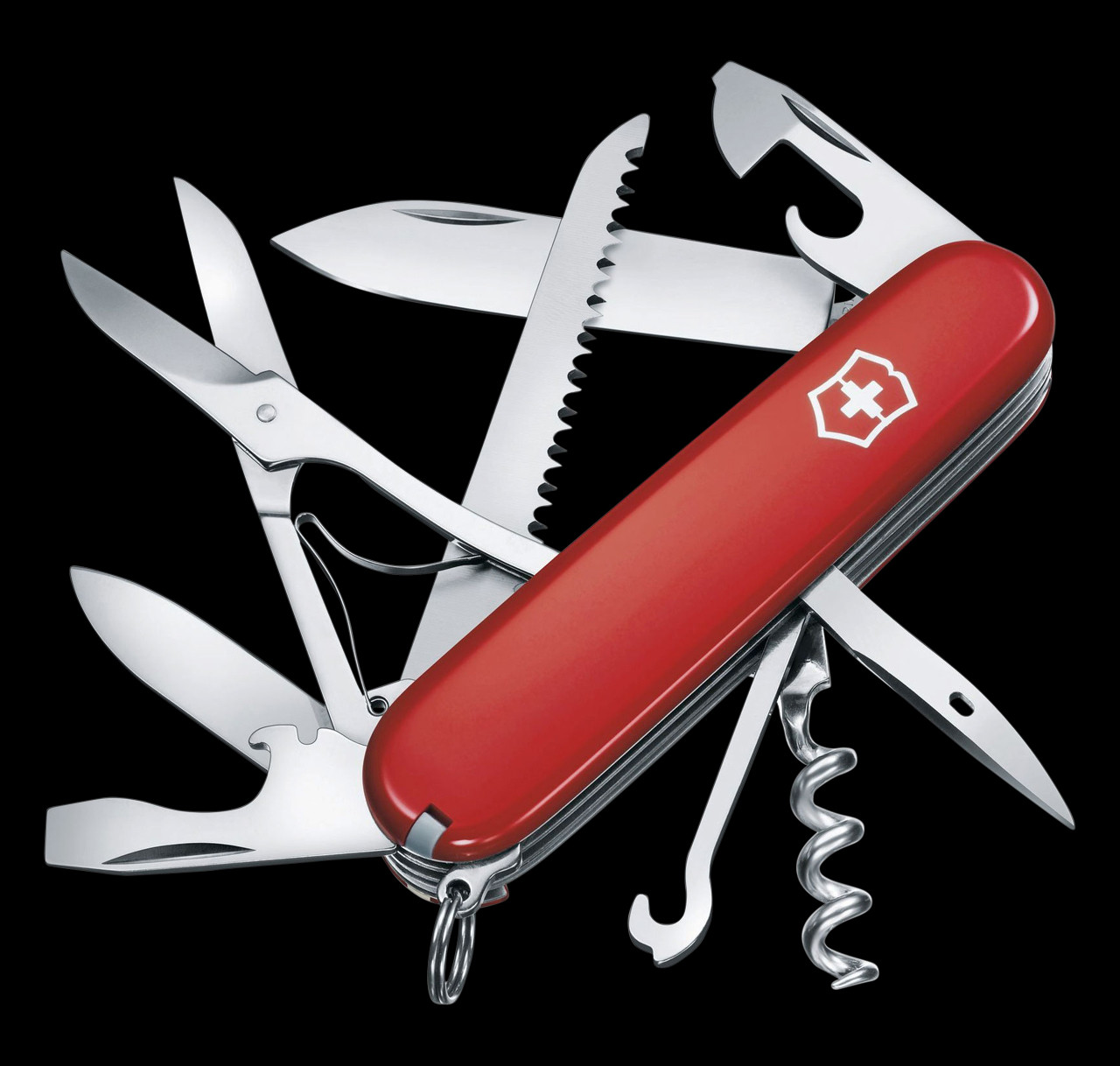
The Victorinox Huntsman 91mm Folding Knife is a practical choice: multiple tools in a familiar, well-made package. It's not a fixed blade and it's not a locking knife, which keeps it firmly within UK carry law for everyday use.
Know what you're carrying and why. A folding knife for trail tasks is practical. Understand the legal distinction before you pack anything else.
6) Multi tool for small fixes on the hill
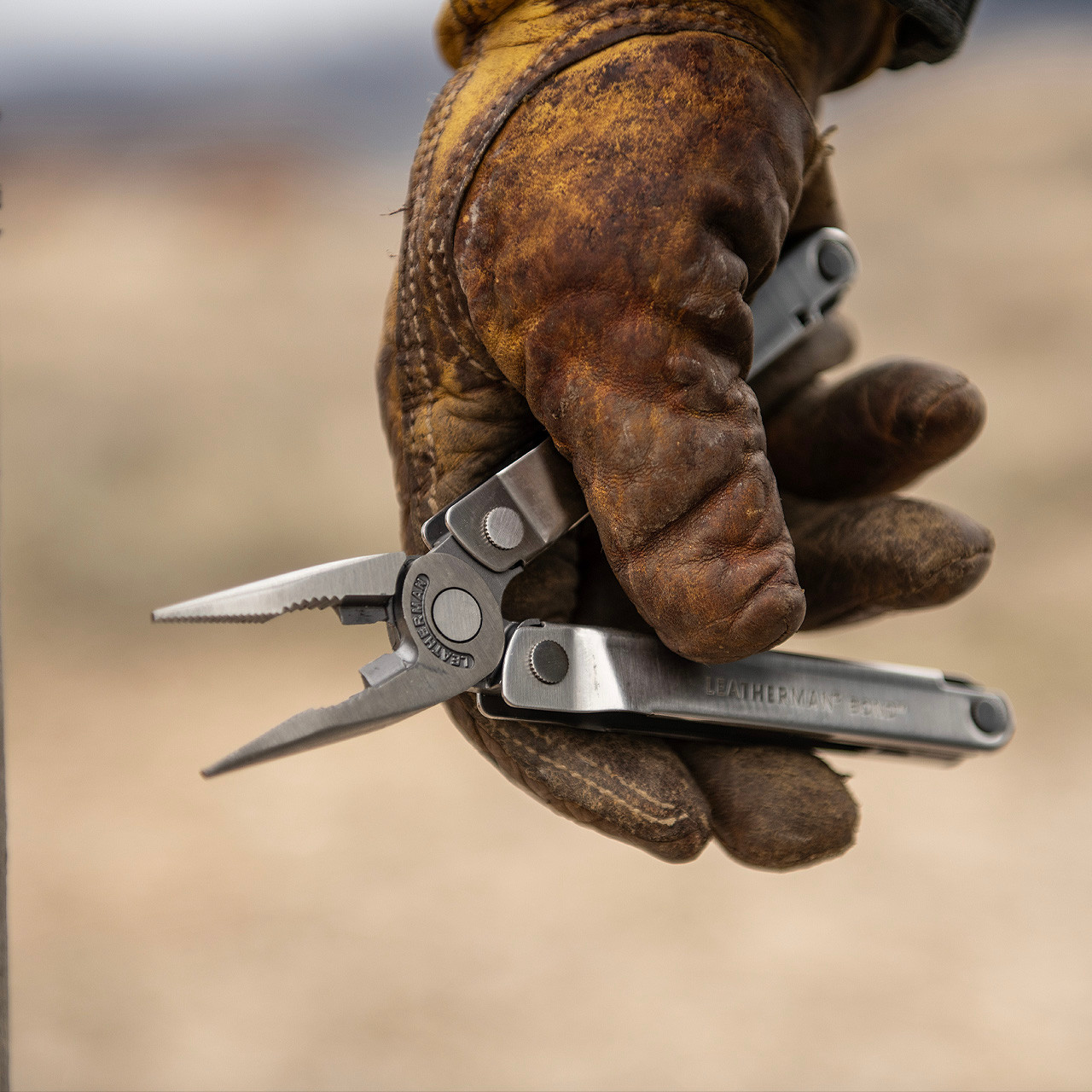
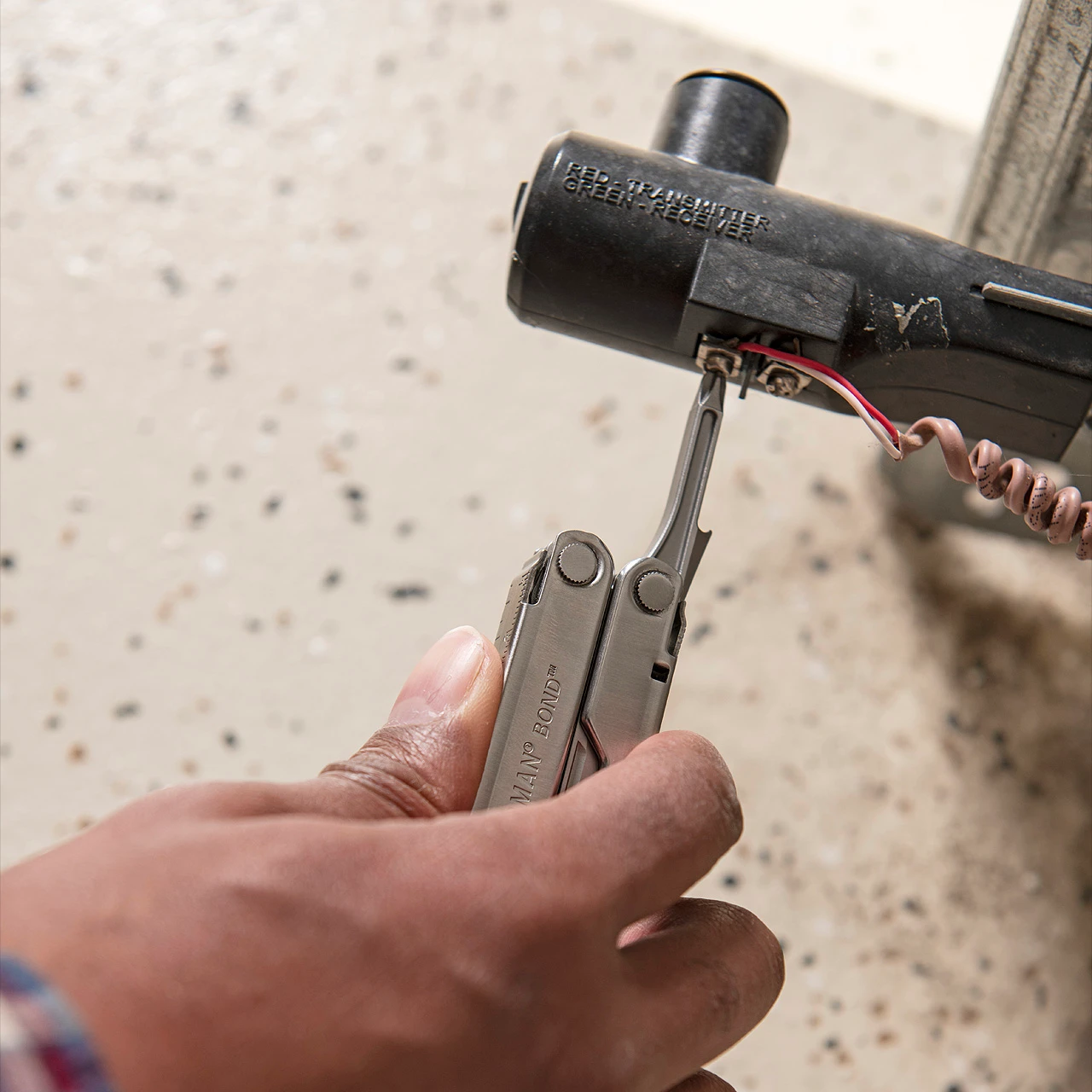
A multi tool handles the jobs a knife can't. Tightening a loose boot buckle, fixing a broken pack strap, cutting moleskin for a blister and adjusting trekking poles. These are small problems that become big ones if you can't solve them.
The Leatherman Bond is a capable, affordable option that covers the basics without adding unnecessary bulk. Pliers, a blade, a file and a screwdriver cover most trail fixes.
A multi tool complements a folding knife rather than replacing it. Carry both if weight allows.
7) Navigation basics: map and compass (plus how you actually carry them)


Phone navigation is useful. It's also dependent on battery, signal and screen visibility in bright light or rain. Map and compass navigation doesn't have those problems.
An Ordnance Survey map of your area gives you the detail UK terrain demands: contour lines, rights of way, water sources and escape routes. Pair it with a baseplate compass and you have a system that works in any conditions. The Dango Compass is a compact option worth keeping in your kit.
Carry your map in a waterproof case or zip-lock bag. A soggy OS map becomes unreadable fast.
8) Tick and blister kit add-ons that save a hike

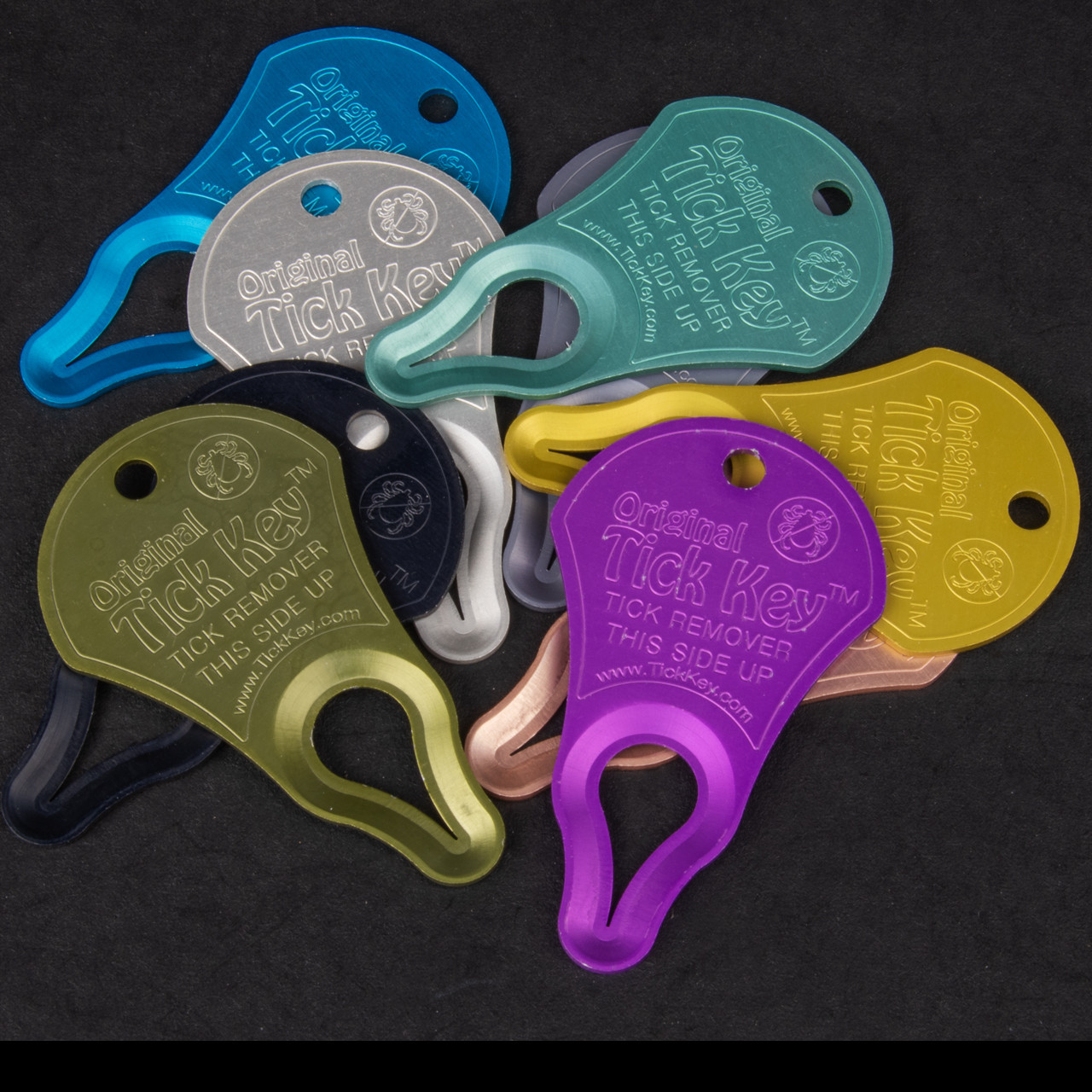
Two things end more UK hikes than bad weather: blisters and ticks. Both are manageable with the right kit.
For ticks, the Tick Key Tick Remover is a simple, effective tool that removes ticks cleanly without squeezing. Ticks are common in long grass, bracken and woodland across the UK, particularly from spring through autumn.
For blisters, carry moleskin or blister plasters and apply them at the first sign of rubbing, not after the damage is done.
Check for ticks after every walk, especially on legs and around the hairline.
9) Simple sun and rain coverage: cap plus a real waterproof layer


UK weather doesn't need explaining. A waterproof jacket is non-negotiable. What catches people out is sun exposure on clear days, particularly at altitude.
A lightweight cap handles glare and keeps rain off your face when your hood is up. The Helikon-Tex Wanderer Cap Brown packs flat and adds almost no weight. Pair it with a proper waterproof jacket, not a shower-resistant softshell and you're covered for most of what the UK throws at you.
Your waterproof jacket should live at the top of your pack, not buried at the bottom.
10) Warm layer that still packs small


Temperature drops fast on exposed ground, especially when you stop moving. A packable insulated layer bridges the gap between your base layer and your waterproof jacket.
The Carinthia G-Loft Ultra Jacket 2.0 Black compresses well and performs in genuinely cold conditions. It's the kind of layer that stays in your pack until you really need it and, when you do, you're glad it's there.
Non-negotiable on any route above 500 metres or in autumn and winter conditions. On warm summer lowland walks it's optional but light enough to justify carrying anyway.
That's the core ten. Now the question is how to carry them sensibly without turning your day pack into a burden.
Pack like an EDC: what earns its weight on a UK hill day
Knowing what to carry is one thing. Knowing how to think about it is another. The EDC mindset is about carrying what you'll actually use and not carrying what you won't.
A quick weight check you can do at the door
Before you leave the house, hold each item and ask one question. Does this solve a likely problem or a high-consequence one?
If the answer is no, leave it behind. That single rule cuts most of the unnecessary bulk from a day pack.
The common traps are worth naming.
- duplicate gadgets
- a second torch when one will do
- heavy extras that replicate something already in your kit
- the classic "just in case" items that have never once been used. They add up fast and quietly.
Comfort vs preparedness: where to save weight without cutting safety
Some things get worn, not packed. Your hiking boots, base layer and waterproof jacket belong on your body, not taking up space in your bag. That distinction alone frees up meaningful room.
Trekking poles sit in a different category. They're not essential but on long descents or rough ground they reduce fatigue and take load off your knees. Worth considering if your route has significant elevation loss.
British hill weather is the other variable that shapes these decisions. Conditions shift quickly at altitude, and the BMC's guidance is worth reading before you decide what to leave behind.
Layering choices that suit British hill weather
Your base layer manages moisture. Your mid layer manages warmth. Your waterproof jacket manages everything the sky throws at you. Get those three right and you're covered for most UK conditions.
Hydration planning matters too. For most UK day routes, a filled water bottle is enough. A water filter earns its weight on longer routes, remote terrain or multi-day trips where natural sources are your only option.
Day hike vs overnight or long distance: what changes in your EDCDay hike baseline - the non-negotiables
Some things stay in your pack regardless of trip length. Navigation, a headtorch, first aid kit basics, waterproofs and a filled water bottle. These aren't optional on a day hike and they're not optional on a week-long route either. The difference between a day hike and something longer isn't what you remove. It's what you add.
Overnight and long distance add-ons
Longer trips introduce new problems. You need redundancy in your lighting, more power for devices, extra insulation for when you stop moving at night and enough food to cover the distance. A shelter or bivvy bag becomes relevant if you're going remote or above the snowline.
The core kit stays the same. The margins around it grow.
| Item | Day hike | Overnight / long distance |
|---|---|---|
| Headtorch | Yes | Yes, plus spare batteries |
| Power bank | Yes | Yes, higher capacity |
| Navigation | Map, compass, phone | Same, plus downloaded offline maps |
| Insulation layer | Yes | Yes, plus sleeping insulation |
| First aid kit | Basic | Extended, including blister kit |
| Water | Filled bottle | Bottle plus water filter |
| Shelter | Emergency bivvy | Full shelter or bivvy bag |
| Food | Day rations | Multi-day supply |
Foot care checks before you leave
Feet are the one thing you can't replace on the trail. A quick check before you set off saves a lot of pain later. Run through these before you leave:
- Toenails trimmed short, since long nails cause bruising on descents
- Socks dry, well-fitted and without seams that rub
- Lacing snug but not cutting off circulation
- Hot spots from previous walks identified and pre-taped
- Blister plasters or zinc oxide tape in your first aid kit
- A spare pair of dry socks in a zip-lock bag
Check for ticks mid-hike and after, particularly if you've been through long grass or woodland. They're easy to miss and worth a few seconds of attention.
One area that trips people up before they even leave the car park is what they're legally allowed to carry. It's worth getting clear on.
UK knife law on the trail and when a multi tool is the better choice
What 'legal to carry' usually means in practice
UK knife law catches a lot of people out, and the trail is no exception. As a general rule, a non-locking folding knife with a blade under three inches is the type most commonly carried without issue in everyday contexts. The Victorinox Huntsman 91mm Folding Knife fits that description: a non-locking, multi-function folder with a long track record in the UK.
That said, this is general information, not legal advice. Legality depends on circumstances and intent, not just blade length. If you're unsure, check the official government guidance before you pack anything.
Trail tasks a multi tool covers well
A multi tool earns its place for the jobs a knife simply can't do. The Leatherman Bond is a practical, no-fuss option that handles the most common trail fixes without adding meaningful weight.
Tasks it covers well include:
- Tightening loose buckles or screws on pack straps and trekking poles
- Cutting cord, tape or moleskin for blister management
- Opening packaging on trail snacks or first aid supplies
- Basic repairs that would otherwise end a hike early
The EDC principle applies here as much as anywhere else. Carry the simplest tool that covers your realistic needs. For most UK day hikers, that's a compact folder and a basic multi tool. If you're not sure which combination suits your kit, we're happy to help. Our Heinnie Kit Assist service is a free 20-minute call with the team: no script, no pressure, just honest advice on what's worth carrying and what isn't.
Ready to hike? Do a final pocket and pack check
The best hiking EDC is the kit you'll actually carry every time, not the kit that looks right on paper.
Before you set off, run a quick check:
- navigation sorted
- headtorch charged
- waterproof jacket at the top of your pack
- water bottle filled
Those four cover the most common gaps.
Adjust for your route, the forecast and how much daylight you have. A summer lowland walk needs different margins than an autumn ridge in the Brecon Beacons. Same principles, different weight.
If you want to browse the full range of EDC gear, torches, knives, multi tools and outdoor kit, we stock everything covered in this list and a good deal more.
Have a look at what we carry at Heinnie, or book a free Heinnie Kit Assist call if you'd rather talk it through first.
Why not check out our other great blogs For Gear Recommendations And Outdoor Survival Tips