Lightweight Trail Loadout: The 10 Ultralight Backpacking Gear Essentials That Earn Their Place
Posted by Heinnie Haynes on 8th May 2026
Most gear guides tell you what to pack. This one tells you what survived the cull. Whether you're a hillwalker pushing for bigger days, a wild camper building a smarter kit list, or a long-distance hiker tired of aching knees by day two: the right ultralight backpacking gear changes what's possible. Browse our outdoor and survival range to see what we stock, and read on for the thinking behind every item that earned its place here.
Why Go Ultralight? The Case for a Lighter Pack
There's a moment every serious hiker knows. It usually arrives on a steep ascent somewhere around the 600-metre mark, shoulders aching, knees starting to talk back. Somewhere in that discomfort, a thought forms: there has to be a better way.
There is.
Every gram you shed becomes energy you keep. A 7kg base weight doesn't just feel better than a 14kg one. It changes how you move, how clearly you think and how much you actually enjoy being out there. That sounds simple. The implications run deep.
What Does a Lighter Pack Actually Do for You on the Trail?
The link between pack weight and physical fatigue is well established in outdoor medicine. Beyond the strain itself, exhaustion impairs decision-making. On a technical ridge in deteriorating weather, a tired hiker makes worse calls than a fresh one.
Speed matters too. Weather windows close fast in Snowdonia and the Cairngorms. A lighter pack means you can cover ground faster when conditions change, reach shelter before dark and adjust your route without dreading the extra kilometres.
Why Ultralight Backpacking Gear Matters Beyond the Numbers
The mental shift is just as significant as the physical one. Hikers who go lighter consistently report enjoying their trips more, going further and returning sooner to the hills. A pack that doesn't punish you makes the activity sustainable long-term. That matters whether you're heading out for one night or thirty.
1. The Pack: Where Every Ultralight Loadout Starts
The pack is the most important piece of kit you'll choose, because every other decision has to fit inside it. Get this wrong and even the lightest kit feels compromised.
What Capacity and Weight Should an Ultralight Rucksack Be?
For overnight trips, 30 to 45 litres is the right range. For multi-day routes, 45 to 60 litres. The number to watch is packweight: a quality ultralight rucksack comes in under 1kg. Some come in well under that.
What you trade for that saving is frame structure and padding. That trade-off only works in your favour if the rest of your loadout is equally considered. A frameless 600g pack carrying a 3kg sleep system will punish your back regardless of what the spec sheet promises. Build your loadout first. Buy the pack to fit it.
On materials: taped seams or a waterproof-treated main body are worth prioritising. In UK conditions, a separate rain cover is just extra weight you forgot to budget for.
2. The Shelter: How to Choose a Lightweight Option for UK Conditions

A well-made one-person shelter now weighs under 1kg without compromising its integrity in an upland storm. The right type depends on where you camp and how you camp.
Tarp, Single-Skin Tent or Hammock: What Works Best for Ultralight Hiking in Britain?
| Shelter Type | Typical Weight | Best For | UK Limitation |
|---|---|---|---|
| Tarp | 300g to 600g | Sheltered valley camps and woodland routes | Poor on exposed, windswept ground |
| Single-skin tent | 700g to 900g | Above-treeline and mixed conditions | Condensation needs managing |
| Trekking-pole tent | 600g to 800g | Three-season general use | Requires trekking poles (see item 10) |
| Hammock | 500g to 700g | Woodland routes across the Lake District and Brecon Beacons | Needs suitable trees; no use above the treeline |
Tarps offer the most significant weight savings but require more skill on exposed ground. Weight varies considerably by material: Dyneema (DCF) tarps can come in well under 300g, with silnylon options typically ranging from 400g to 600g. Hammock camping is worth serious consideration on wooded routes; it removes the need for flat ground entirely, which in the UK is often harder to source than a dry evening.
3. The Sleep System: Down Quilts, Sleeping Bags and Sleeping Pads

Sleep system means sleeping bag or quilt plus sleeping mat. They work together and should be chosen together. A mismatched combination costs you warmth, weight or both.
Is a Down Quilt Better Than a Sleeping Bag for Ultralight Backpacking?
Down quilts represent the biggest weight saving in this category. A quality down quilt for three-season UK use comes in significantly lighter than an equivalent sleeping bag because it removes the insulation compressed beneath your body, where it provides minimal warmth anyway. You're not losing warmth. You're cutting weight that was never earning its place.
The catch: wet down loses its loft. In high-condensation conditions, a water-resistant down treatment or a synthetic-fill option is the smarter call. Know your routes before you decide.
Why Sleeping Pad Insulation Matters More Than Most Hikers Realise
The ground pulls heat from your body far faster than cold air does. A quality inflatable sleeping pad provides an R-value adequate for UK three-season use at a fraction of foam's weight for the same thermal performance. The single failure mode is a puncture. Carry a patch kit without question.
4. The Insulation Layer: Why a Packable Down Jacket Earns Its Weight

This is the item most hikers pull out of their pack after a warm weekend trip and desperately wish they had back on an October summit. In the UK, the standard environmental lapse rate means air temperatures typically drop around 6.5°C for every 1,000m you gain in altitude; on a dry day or a high exposed ridge, that gap widens. A quality 800-fill-power down jacket compresses to the size of a water bottle and adds under 350g to your base weight. On every trip, in every season, it earns its place.
What Does Fill Power Mean for Ultralight Down Jackets?
Fill power measures how much volume one ounce of down occupies, expressed in cubic inches per ounce. Higher fill power means more loft per gram of insulation: more warmth for less weight. An 800-fill jacket is the right choice for three-season UK use. A 900-fill option costs more but compresses smaller and is worth considering for any loadout where every gram is contested.
For sustained wet conditions or serious winter use, synthetic insulation performs more reliably. It's heavier, but it holds its loft wet.
5. The Rain Shell: UK Hiking's Non-Negotiable

The UK doesn't do optional waterproofing. Full stop.
How to Choose an Ultralight Rain Jacket for Hiking in Britain
A quality ultralight rain shell in a 2.5-layer or 3-layer construction weighs 200g to 400g and packs into its own chest pocket. If yours weighs more than 500g, it isn't ultralight kit.
Two features matter for UK conditions beyond weight alone: a pit-zip for ventilation on hard ascents and a helmet-compatible hood, because you're often scrambling in the rain rather than just walking in it. Re-treat your shell's DWR coating annually. It costs almost nothing compared to replacing the jacket.
6. The Camp Kitchen: How to Cook Light Without Compromising on the Trail


The ultralight camp kitchen comes down to two components: a stove and a vessel. Done well, the whole system weighs under 250g.
Canister Stove vs Alcohol Stove: Which Is Right for Ultralight Hiking in the UK?
A canister stove paired with a titanium mug covers most needs at low weight. Alcohol stoves go lighter, but they carry more fuel by volume and perform poorly below 5°C. Above 900m in a UK winter, a canister stove is the reliable choice. In summer at lower altitude, alcohol is a legitimate option for experienced users.
Eating from the pot removes the need for a separate bowl. A spork handles everything else. The one additional essential is a windscreen: a stove that won't boil water in a Cairngorm crosswind isn't fit for purpose on a Scottish route.
7. Water Treatment: The Weight You Don't Need to Carry
Carrying water is the single heaviest task on the trail. In the UK, where you're rarely far from a stream or burn, a water filter lets you start each day light and resupply as you go.
Which Water Filter Is Best for Ultralight Backpacking in the UK?
A squeeze filter or in-line filter attached to a soft flask offers the best weight-to-function ratio at around 60g to 90g. Chemical purification tablets are worth carrying as a backup regardless of your filter setup.
Treatment time varies significantly by product and pathogen. Sodium dichloroisocyanurate tablets such as Aquatabs typically treat water in 30 to 40 minutes but aren't effective against Cryptosporidium. Chlorine dioxide tablets cover a wider range of pathogens including Cryptosporidium but require up to four hours for full effectiveness. Check your product's guidance and plan your stops accordingly.
One important note: farmland runoff can contaminate streams that look clean. In agricultural land, filter everything, even when the water looks clear.
8. The Trail Torch: 70 Grams of Confidence After Dark

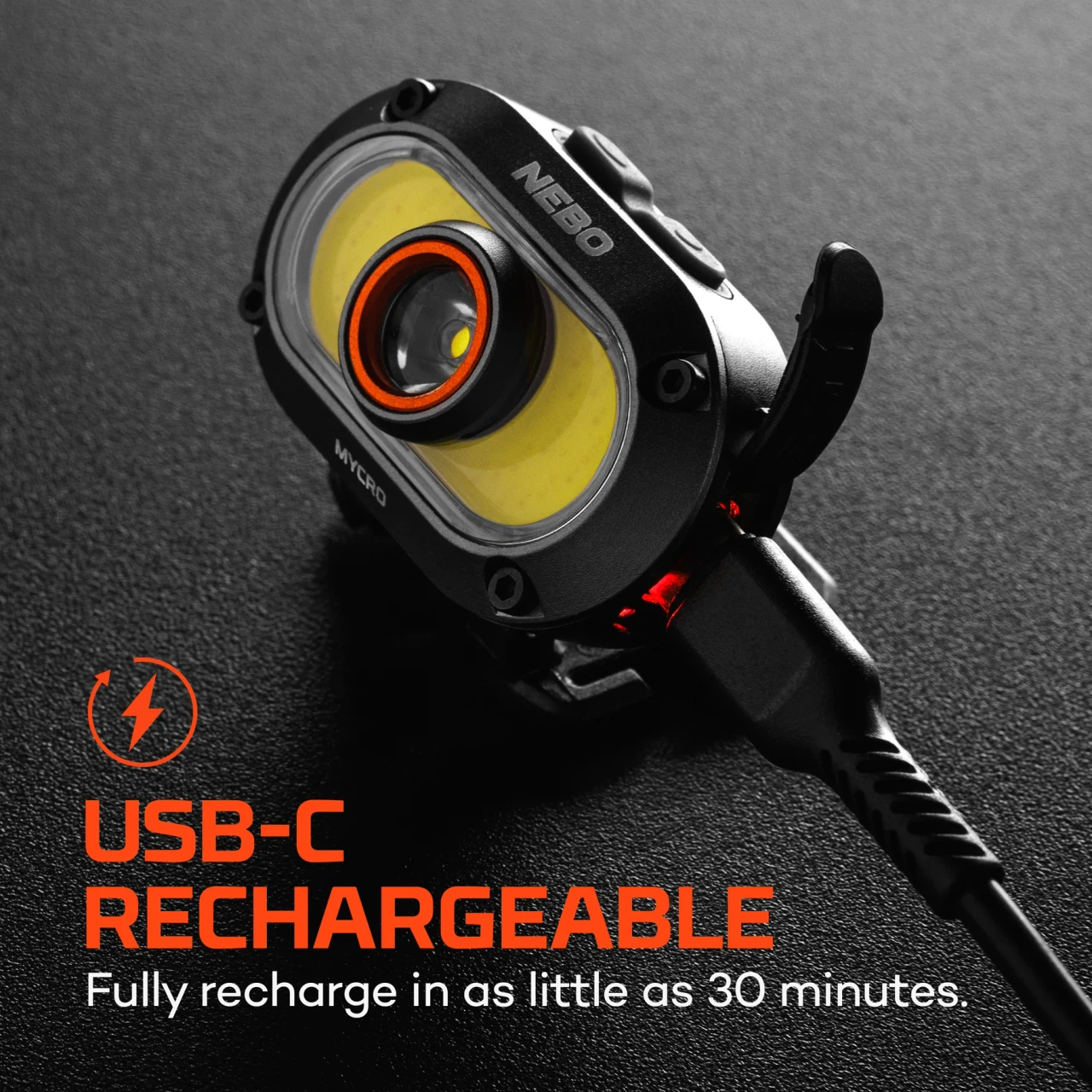
A quality headlamp weighs under 70g including batteries and delivers 300 to 500 lumens for trail use. A compact trail torch can be lighter still. At that weight, there's no case for going without one. A torchless camp when you need to locate your tent zip at 2am in the Lakes is not a situation worth engineering.
What to Look for in a Trail Torch or Headlamp for Ultralight Hiking
Two features matter most for UK conditions: a red-light mode for preserving night vision in camp and an IPX water-resistance rating that handles what British weather puts you through. Battery life is often overlooked. A torch that delivers 500 lumens for 45 minutes before dying is far less useful than one that delivers 200 lumens across a full night.
We stock a range of compact, high-output torches from Nitecore suited to trail and camp use.
Not sure which spec suits your route? Heinnie Kit Assist can help you work it out.
9. The Multi-Tool or Trail Knife: Your On-Trail Problem Solver

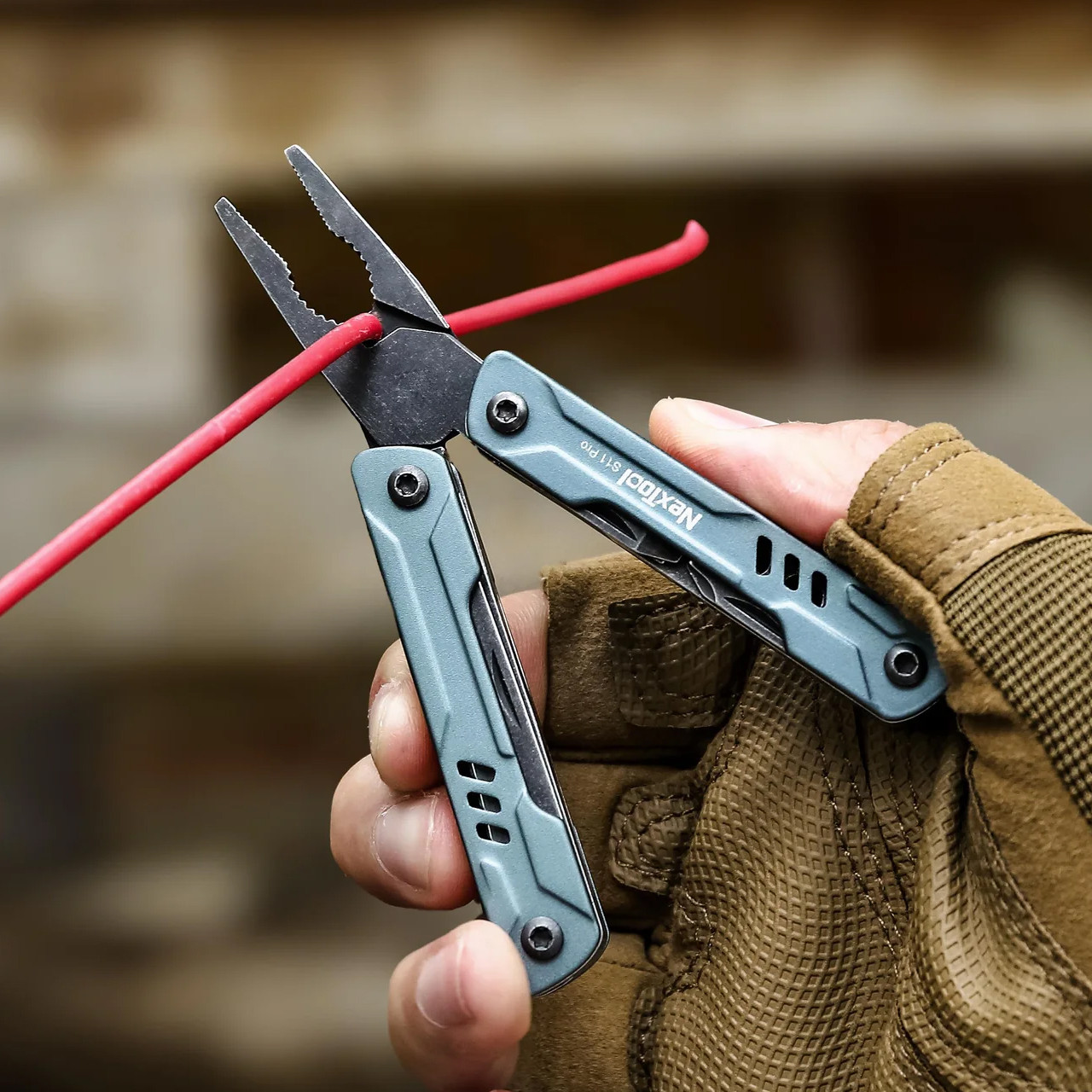
A folding multi-tool earns its place because it does what nothing else in your kit can: give you options when something goes wrong. A snapped pole tip or a stove that won't prime: a multi-tool turns a problem into a task.
For trail use where weight is the priority, a compact model with pliers and a blade covers most contingencies at 100g to 200g. If you're carrying a dedicated trail knife for food prep and camp tasks, you can go lighter on the multi-tool and let each item do its specific job.
A non-locking folding blade under 7.62cm can be carried without requiring justification. A locking blade requires a lawful reason regardless of blade length. Know your kit before you leave. We can walk you through compliance questions on a Heinnie Kit Assist call.
10. Trekking Poles: Weight That Earns Its Place Twice Over
Trekking poles divide opinion. They add weight. They also reduce knee load on descent, improve balance on rough ground and, if you're running a trekking-pole tent or tarp, they serve as your shelter's uprights. Two poles that carry your shelter aren't dead weight; they're part of your shelter system.
Carbon Fibre vs Aluminium: Which Trekking Poles Are Right for Ultralight Hiking?
Dedicated ultralight carbon fibre poles start at around 270g per pair for the lightest adjustable options, such as the Gossamer Gear LT5 and Durston Iceline. Mainstream carbon pole pairs typically run between 300g and 470g depending on design and locking mechanism. All of these are lighter than aluminium alternatives. For long days on mixed UK terrain, the joint-load reduction justifies the trade-off for most hikers. Stow the poles on technical scrambling sections. On everything else, use them.
How Small Changes Add Up: The Maths of Going Lighter
Going ultralight is a compound interest game. A shelter upgrade might save around 500g to 1kg over a heavier tent. Switching to a down quilt could save 200g to 400g. Dropping a surplus fuel canister saves around 200g. None of these changes feels dramatic in isolation. Across a full loadout, savings like these can realistically halve your pack weight. That's not a marginal improvement. It's a different experience of being in the hills entirely.
The most effective tool for getting there is a digital scale and a spreadsheet. Weigh everything. Log it. Challenge every item over 200g. Then repeat in six months, when you know your kit better than you do now. The numbers rarely lie.
Top Tips for Cutting Pack Weight on UK Trails
Knowing what to take is one thing. Knowing what to leave behind is harder. The principles below make the biggest practical difference, applied in order.
Start With the Big Three: Shelter, Sleep System and Pack Weight
Your shelter, sleep system and pack account for most of the weight in any kit list. A significant saving on your shelter has more impact than ten smaller savings elsewhere. Get these three components right and the rest of the loadout almost sorts itself. Start here before touching anything else.


Think Multi-Function, Not Multi-Item
Every item that does two jobs earns twice its weight. Trekking poles that carry your shelter remove separate uprights from your loadout. A down jacket that compresses into a pillow cover removes the need for a separate pillow. A mug that functions as a cooking pot removes the need for a separate pot entirely. Ask of every item: what else could this do?
Cut Genuine Redundancy Before You Cut Comfort
Most hikers carry two of things they only need one of: two light sources, two fire-starting methods. Audit for real redundancy before pulling out comfort items. Redundancy adds more weight than most hikers expect.
Leave the Just-in-Case Mindset at the Car
Everything in your pack should earn its place through use, not anxiety. There's a real difference between genuine contingency kit and a dry bag full of "I might need this." It usually weighs about 1.5kg.
How to Upgrade Your Ultralight Backpacking Gear Over Time
You don't need to replace everything at once. The smartest approach is to upgrade as gear wears out, but replace each item with something better. Your current tent serves its time until the seams fail, then you move to a lighter tarp-tent. Your sleeping bag does another season until it loses its loft, then you upgrade to a down quilt.
Spread across two or three years, the cost of going ultralight is manageable. The alternative is buying everything cheaply now and replacing all of it within 18 months when the zip fails and the DWR gives up. Quality gear, bought once, almost always costs less over time.
Not sure which upgrade to prioritise first? Want honest advice on which kit suits your specific routes and conditions? The Heinnie Kit Assist service is built for exactly that conversation. No pressure, no script: just 20 minutes with someone who knows the kit and uses it.
Why not check out our other great blogs For Gear Recommendations And Outdoor Survival Tips