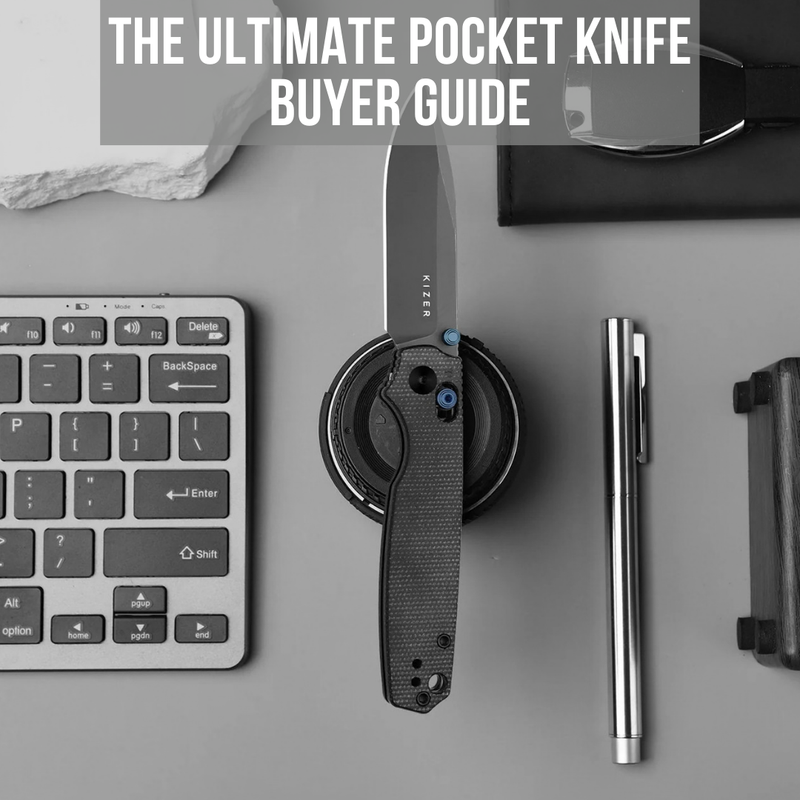
The Ultimate Pocket Knife Buyer Guide
Posted by HH on 13th Mar 2026
Estimated reading time: 12 minutes
Selecting a pocket knife from the thousands of options available can feel overwhelming. From blade steels and locking mechanisms to handle materials and UK legal requirements, the choices seem endless. This pocket knife buyer guide delivers the practical knowledge you need to choose a folding pocket knife that genuinely fits your needs.
Whether you are building your first everyday carry kit, upgrading from a budget blade or searching for a premium collector piece, understanding the fundamentals transforms an uncertain purchase into a confident investment.
What Should You Consider Before Buying a Pocket Knife?
Before browsing blade shapes and steel grades, you need to consider how you will actually use your knife. The most expensive blade becomes worthless if it does not match your daily requirements.
Intended Use
Your primary purpose drives every other decision. Opening packages at home demands different qualities than processing kindling at a campsite. A knife destined for office tasks needs different attributes than one facing construction site challenges.
Practical Tip: Write down the five tasks you perform most frequently that require a knife. This list becomes your reference point when evaluating options.
Budget Reality
Quality pocket knives range from under £20 to several hundred pounds. Higher prices generally reflect superior materials, tighter tolerances, better ergonomics and enhanced durability. However, excellent knives exist at every price point. Setting a realistic budget before you start prevents disappointment and helps narrow your search to viable options.
Are Pocket Knives Legal in the UK?
Legal Considerations
Understanding UK knife law is essential before making any purchase. For everyday public carry without requiring a specific reason, your knife must be non-locking with a cutting edge under 7.62cm (3 inches). Knives meeting these criteria are often labelled as UK-friendly carry options.
Locking knives and fixed blades remain legal to own and use on private property or with good reason, such as work requirements, outdoor activities, cultural dress or display purposes. The restriction applies specifically to carrying in public places without justification.
How Do You Choose the Right Blade Steel?
Blade steel determines how your knife performs across three critical areas: edge retention, ease of sharpening and corrosion resistance. Understanding the trade-offs between different steel types helps you select one that matches your priorities.
Stainless Steels
Stainless steels contain chromium, which resists corrosion, making them lower maintenance than carbon alternatives. Popular options include:
VG-10: A Japanese steel offering excellent edge retention with good corrosion resistance. Found in many Spyderco models and Japanese kitchen knives.
S30V: An American powder metallurgy steel delivering outstanding edge retention with reasonable toughness. Standard on many Benchmade knives.
154CM: A high-chromium steel balancing edge retention with ease of sharpening. Common in mid-range to premium folders.
D2: A semi-stainless tool steel with exceptional wear resistance. Requires more maintenance than true stainless options but holds an edge remarkably well.
For comprehensive details on steel properties, read our complete guide to knife and tool steels.
Carbon Steels
Carbon steels typically achieve greater hardness and hold sharper edges than stainless alternatives. They require diligent maintenance to prevent rust but reward careful owners with superior cutting performance. Bushcraft enthusiasts often prefer carbon steel for its ability to throw sparks from a ferro rod.
| Steel Type | Edge Retention | Corrosion Resistance | Ease of Sharpening |
|---|---|---|---|
| VG-10 | Very Good | Very Good | Good |
| S30V | Excellent | Very Good | Moderate |
| 154CM | Good | Very Good | Good |
| D2 | Excellent | Moderate | Moderate |
| 1095 Carbon | Good | Moderate | Excellent |
What Locking Mechanisms Are Available?
The locking mechanism determines how your blade stays open during use and affects both safety and ease of operation. Different designs suit different hands and preferences.
Slip Joint (Non-Locking)
Slip joints use spring tension to hold the blade open or closed without mechanically locking in place. The blade can close under sufficient pressure, requiring awareness during use. This design qualifies for UK friendly carry when combined with an appropriately sized blade. Traditional pocket knives and Swiss Army knives typically employ slip joint mechanisms.
For detailed information, read our guide to slip joint knives.Liner Lock
A liner lock uses a thin metal plate inside the handle that springs across to block the blade tang when open. Releasing the lock requires pushing the liner aside with your thumb. This popular mechanism appears on countless modern folders and offers reliable security with one-handed operation.
Frame Lock
Frame locks work similarly to liner locks but use a substantial portion of the handle itself rather than a separate liner. The increased material thickness provides superior strength for demanding tasks. Premium titanium-handled knives often feature frame lock designs.AXIS Lock
The AXIS lock employs a spring-loaded bar running across the knife body. Pushing the bar releases the blade in either direction, making it fully ambidextrous and enabling one-handed closing. This mechanism distributes stress across the entire lock bar rather than concentrating it at a single point. Benchmade knives pioneered this technology.Back Lock
Back locks use a rocker bar in the spine that engages a notch in the blade tang. Depressing the exposed portion releases the lock. This traditional mechanism provides strong lock-up and appears on many classic patterns.
Selection Guidance: For UK everyday carry, choose a slip joint with a sub-7.62cm blade. For outdoor or work use where you have a good reason to carry, select your preferred locking mechanism based on comfort and intended tasks.
Which Handle Materials Perform Best?
Handle materials affect grip security, weight, aesthetics and durability. Modern manufacturing offers more options than ever before.
- G-10
- Micarta
- Titanium
- Natural Materials
- Aluminium
How Should You Maintain Your Pocket Knife?
Proper maintenance extends knife life and ensures consistent performance. Establishing a routine prevents problems before they develop.
Cleaning
After each use, wipe your blade with a clean cloth. For stubborn residue, mild soap and water work well on stainless blades. Dry thoroughly before storage. Avoid harsh chemicals that might damage handle materials or corrode blade finishes.
Lubrication
Apply a drop of quality knife oil to the pivot and any moving parts. Work the blade open and closed several times to distribute the lubricant. Light lubrication prevents corrosion and maintains smooth action. Over-lubrication attracts dirt, so use oil sparingly.
Sharpening
A sharp blade cuts more safely than a dull one. Learning to maintain your edge represents an essential skill for any knife owner. Various sharpening systems suit different skill levels and steel types.
Beginners often find guided systems like the Work Sharp Precision Knife Sharpener easier to master. The adjustable angle settings ensure consistent results across multiple knives.
Experienced sharpeners appreciate the Spyderco Tri-Angle Sharpmaker for its versatility and effectiveness on both plain and serrated edges.
For detailed guidance, read our guide on knife sharpener types and explore our knife care collection.
Storage
Store knives in a dry environment away from humidity. Leather sheaths can trap moisture against blades during long-term storage, so consider removing knives or treating leather with a preservative. A light coating of oil protects blades during extended storage periods.
Quality sheaths and holsters protect your investment during transport and daily carry.

What Makes a Quality Pocket Knife Worth the Investment?
Beyond materials and mechanisms, subtle factors separate exceptional knives from merely adequate ones.
Fit and Finish
Examine how precisely components align. Blade centring within the handle, smooth action without excessive play and consistent gaps all indicate quality manufacturing. Premium knives exhibit attention to detail throughout construction.
Ergonomics
A knife should feel comfortable during extended use. Handle shape, finger grooves and jimping (textured areas for grip) all contribute to ergonomics.
Warranty and Service
Reputable manufacturers stand behind their products. Some offer lifetime sharpening services or comprehensive warranties covering manufacturing defects. These commitments indicate confidence in product quality and provide long-term value.
Worth Knowing: Benchmade offers its LifeSharp service, restoring factory edges free of charge throughout the knife's lifetime. This kind of after-sales support transforms a purchase into a genuine investment.
How Do You Select a Knife for Specific Applications?
Different tasks demand different blade characteristics. Matching your knife to its primary role optimises performance.
Everyday Carry (EDC)
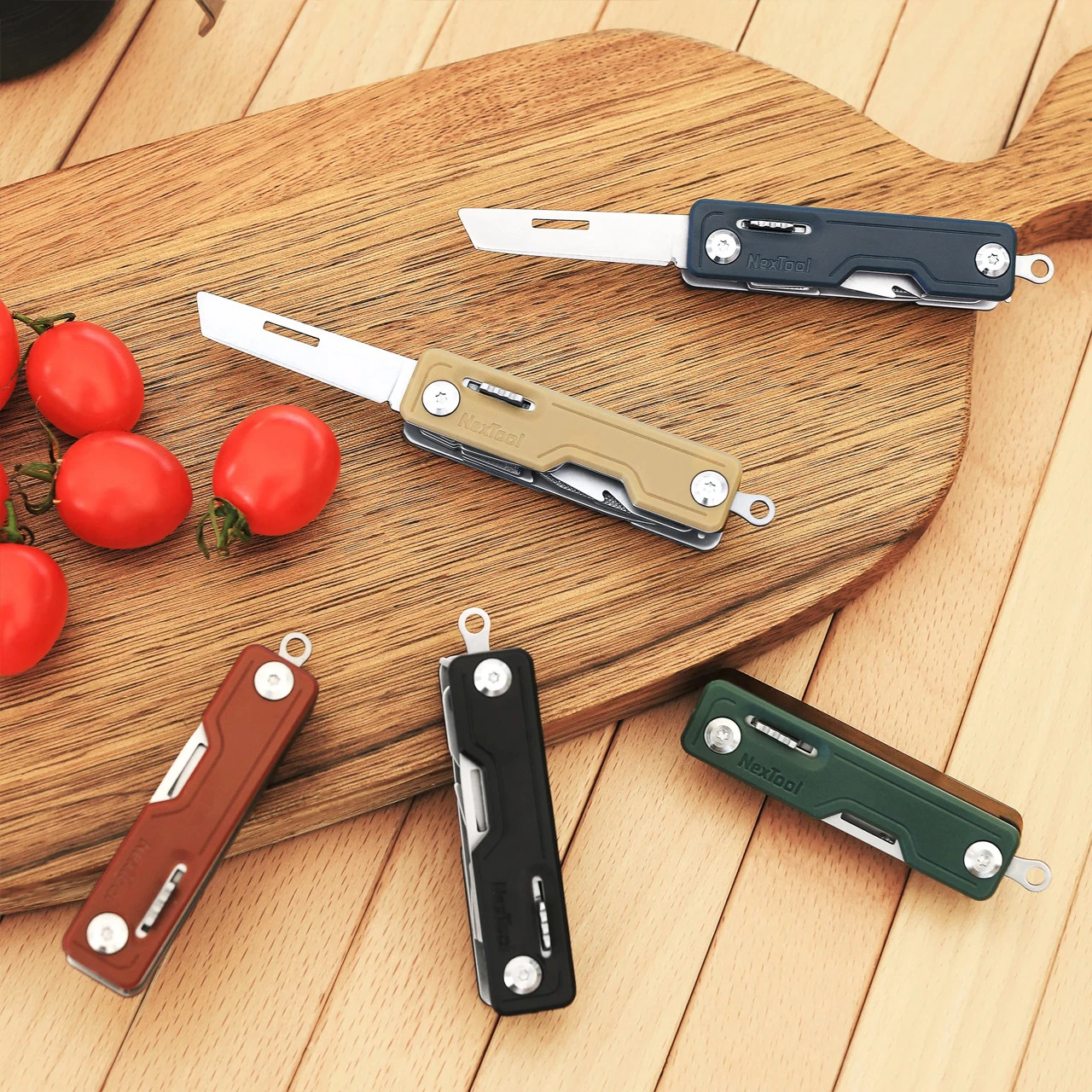
EDC knives handle routine tasks: opening packages, cutting cord, food preparation. Compact size, reliable deployment and legal compliance matter most. Look for slip joints under 7.62cm with comfortable pocket clips.
Explore our UK legal EDC knives collection for compliant options from leading brands.
Outdoor and Bushcraft
Outdoor knives face tougher demands: processing wood, preparing tinder and food preparation over multiple days. Robust construction, comfortable grips for extended use and corrosion resistance for damp conditions become priorities. Many outdoor enthusiasts prefer bushcraft knives with fixed blades for maximum strength.
Professional Use
Trade-specific requirements vary enormously. Electricians need insulated handles and cable-stripping features. First responders require seatbelt cutters and glass breakers. Emergency services benefit from rescue tools combining multiple functions.
Collecting
Collectors appreciate limited editions, premium materials, custom designs and historical significance. Quality exceeds practical requirements because these knives become display pieces and investments. Damascus steel knives and custom knives appeal to serious collectors seeking exceptional craftsmanship.
Why Choose Heinnie Haynes for Your Pocket Knife?
Since 1996, Heinnie Haynes has served the UK knife community with honest advice and exceptional products. What began in a Cardiff attic has grown into the country's premier destination for quality cutting tools.
Our employee-owned business maintains the founder's belief that knowledgeable advice matters more than sales pressure. When you contact our team through Heinnie Kit Assist, you reach genuine enthusiasts who use and understand the gear they recommend.
We stock brands that meet our exacting standards, from established names like Spyderco, Benchmade and Victorinox to specialist manufacturers crafting exceptional tools. Every product earns its place through quality, reliability and genuine value.
With extended 60-day returns, free UK delivery options and over 55,000 five-star reviews, we make buying with confidence straightforward.
Disclaimer
This guide provides general educational information about pocket knives and their selection. The content represents practical advice based on industry knowledge and should not be considered a substitute for professional guidance where specialist requirements exist.
UK knife law changes periodically. While we strive to provide accurate information, readers are responsible for verifying current legislation before carrying any knife in public. Check the GOV.UK website for official guidance.
Heinnie Haynes provides this content to support the knife community but accepts no liability for losses arising from the application of information described. Individual products may have specific characteristics not covered in general guidance.
Frequently Asked Questions (FAQs)
What is the best pocket knife blade steel for everyday carry?
The best blade steel for everyday carry is VG-10 or S30V stainless steel. Both offer excellent edge retention with good corrosion resistance, making them ideal pocket knife choices for UK users seeking low-maintenance performance in their ultimate everyday carry tool.
How do I know if a pocket knife is legal to carry?
A pocket knife is legal to carry if it has a non-locking folding blade with a cutting edge under 7.62cm (3 inches). Both criteria must be met simultaneously. This buyer's guide recommends checking product descriptions for UK Friendly Carry labelling when purchasing your ultimate pocket knife.
Which pocket knife locking mechanism is safest?
The safest locking mechanism depends on your requirements. For UK everyday carry, slip joints qualify for legal public carry. For outdoor or professional use, the AXIS lock offers excellent security with ambidextrous operation. This pocket knife buyer's guide recommends matching the mechanism to your specific needs.
How often should I sharpen my pocket knife?
You should sharpen your pocket knife when it no longer cuts cleanly through paper or slides off tomato skin. Frequency depends on use intensity and blade steel. This ultimate pocket knife buyer's guide recommends light touch-ups every few weeks with major sharpening sessions as needed.
What handle material offers the best grip for a pocket knife?
The best grip for a pocket knife comes from textured G-10 or Micarta handles. G-10 provides a consistent grip in all conditions. Micarta often improves grip when wet. This buyer's guide suggests handling different materials when possible to find your preferred pocket knife grip texture.
Why not check out our other great blogs For Gear Recommendations And Outdoor Survival Tips