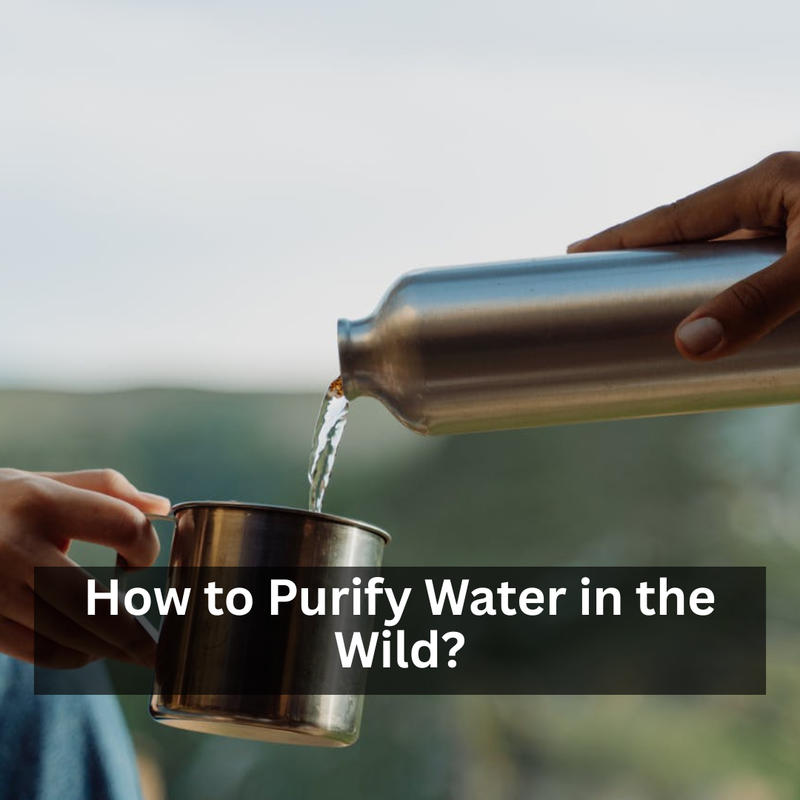
How to Purify Water in the Wild?
Posted by Heinnie Haynes on 14th Oct 2025
Purifying water in the wild is essential for removing harmful bacteria, viruses, parasites and chemical contaminants that can cause serious illness. The most reliable methods include boiling water for at least one minute, using chemical treatments such as water purification tablets, employing mechanical filters to remove pathogens or utilising UV sterilisers to neutralise microorganisms. Selecting the right purification method depends on your environment, the time available and the level of contamination you're likely to encounter.
Estimated reading time: 7 minutes
Key Takeaways
- Water purification in the wilderness is critical for preventing waterborne diseases that can derail any outdoor adventure.
- Boiling is the most reliable method for killing pathogens, requiring water to reach a rolling boil for at least one minute at lower elevations.
- Chemical purification using tablets or drops is lightweight and effective against most biological contaminants, though it requires waiting time.
- Mechanical filters and purifiers offer immediate results and can process large volumes of water without altering taste.
- Understanding water source selection and filtering sediment significantly improves the effectiveness of any purification method.
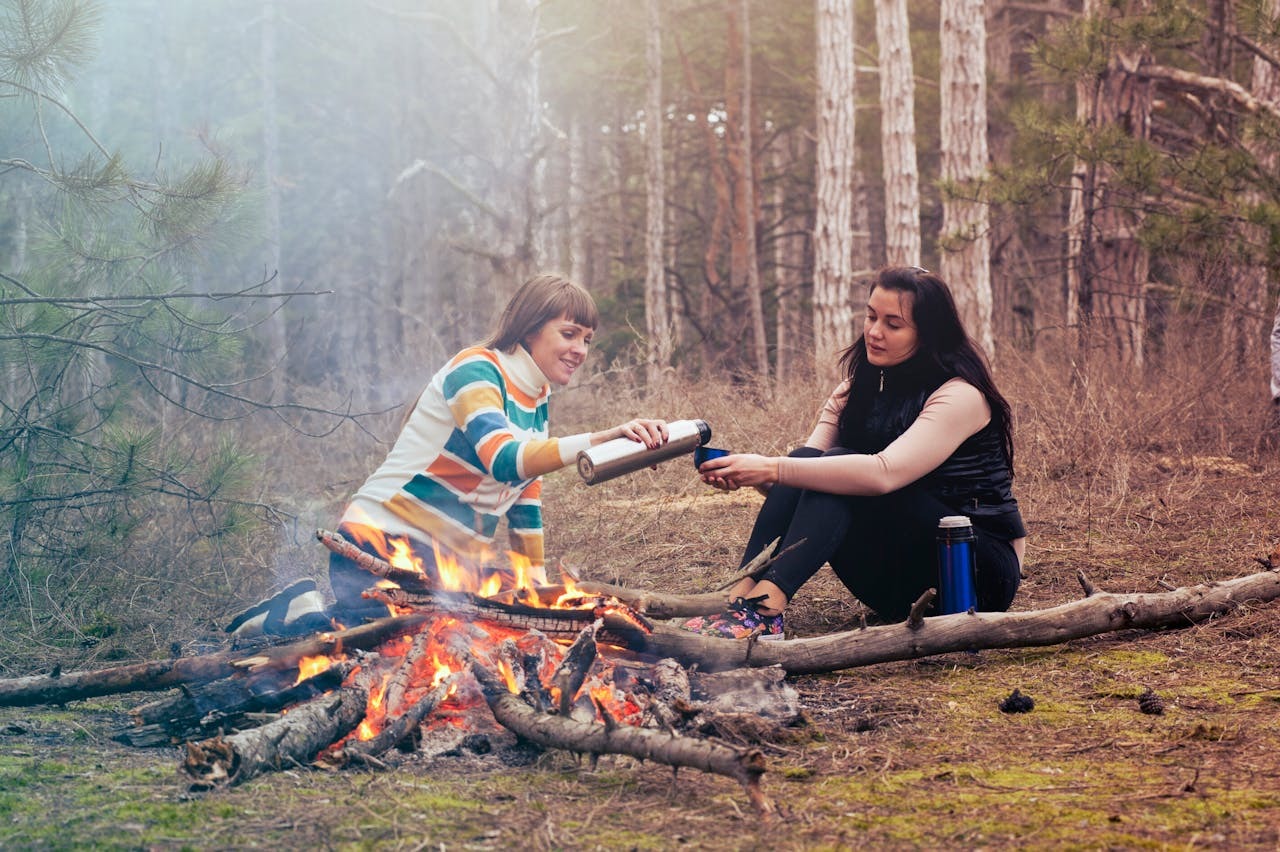
Why Is Water Purification Important in the Wild?
Water purification in the wild is your primary defence against waterborne illnesses that can threaten your life. Even the clearest mountain stream can harbour Giardia, Cryptosporidium, E. coli and other pathogens that cause severe gastrointestinal distress, dehydration and in extreme cases more serious complications.
In the UK's lakes, rivers and streams, agricultural runoff, wildlife and human activity introduce contaminants you can't immediately see.
The risks extend beyond biological threats. Chemical pollutants from farming, industrial activity and even naturally occurring minerals can make water unsafe. During expeditions lasting several days in remote areas like the Scottish Highlands or Welsh mountains, access to safe drinking water isn't just about comfort. It's about survival.
Dehydration impairs your decision making, reduces your physical performance and accelerates the onset of hypothermia in cold conditions.
Many outdoor enthusiasts underestimate how prevalent contamination is in seemingly pristine wilderness areas. The consequences of drinking untreated water can show up within hours or take several days to appear, leaving you incapacitated far from help. This makes carrying reliable water purification devices an absolute necessity for any wilderness kit.
What Are the Main Methods for Purifying Water in the Wilderness?
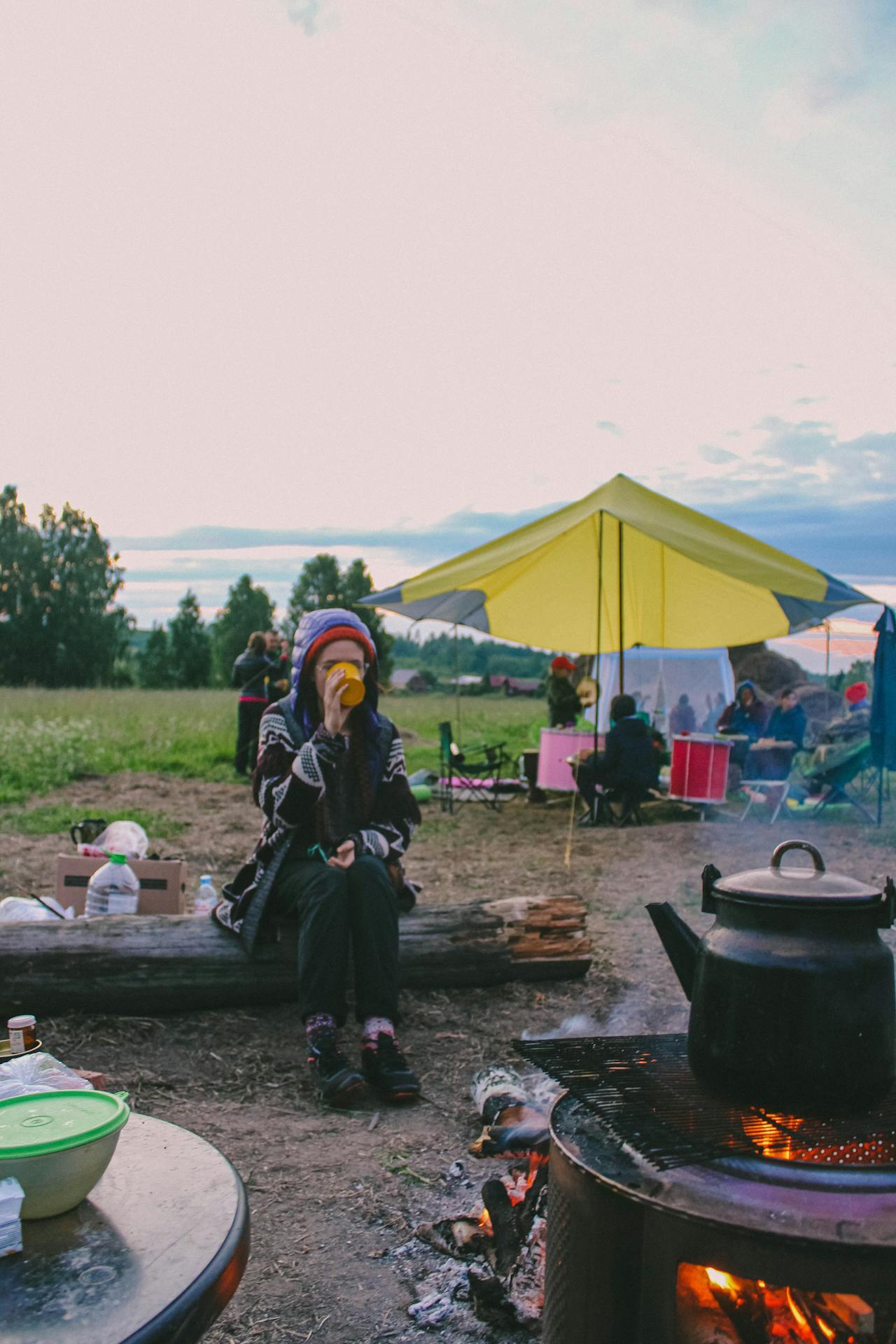
You can purify water in the wilderness using four main approaches: boiling, chemical treatment, mechanical filtration and UV sterilisation. Each method has distinct advantages and limitations that make it suitable for different scenarios and requirements.
Boiling is the most effective method. It kills virtually all pathogens when water reaches a rolling boil for at least one minute (three minutes above 6,500 feet or approximately 2,000 metres elevation). The drawbacks? Fuel consumption, time requirements and the impracticality of boiling large volumes when you're on the move. However, if you're in a static camp with a reliable heat source, boiling provides certainty.
Chemical purification using products like Katadyn Micropur Forte Water Treatment Tablets is lightweight, inexpensive and requires no equipment beyond the tablets themselves. Chlorine dioxide or iodine treatments work effectively against bacteria, viruses and Giardia, though Cryptosporidium requires longer contact times. The main limitations are the 30 minute to 4 hour waiting period (depending on the product and water temperature) and the slight chemical taste some products leave behind.
Mechanical filters and purifiers like the Katadyn Pocket Water Filter or Grayl GeoPress use physical barriers to remove contaminants. Filters typically remove bacteria and protozoa but may not eliminate viruses due to their microscopic size. Purifiers go further and address viruses as well.
The Membrane Solutions Water Filter Straws and LifeStraw products offer excellent portability for solo users. Pumps and gravity systems work better for groups. These devices provide immediate access to drinking water and generally improve taste by removing sediment.
UV sterilisation works by neutralising biological contaminants, disrupting their DNA to prevent reproduction. These compact devices work quickly, typically disinfecting water in under 10 seconds. They require clear water (sediment blocks UV rays), battery power and don't remove chemical contaminants or improve taste. They're best suited for situations where you can filter murky water first and need a fast, lightweight solution.
How Do You Choose the Right Water Purification Method?

Choosing the right water purification method is determined by your specific environment, trip duration, group size and the balance between weight and convenience you're willing to accept.
For solo day hikes in the UK, a compact filter straw like the LifeStraw Peak Series Personal Water Filter Straw provides sufficient capacity without adding pack weight.
Expeditions lasting multiple days require more robust solutions. The Katadyn Vario Filter offers versatility with adjustable flow rates and filters for turbid water, making it ideal for varying water sources you'll encounter across different terrain. If you're travelling in areas with known viral contamination (more common in developing countries than UK wilderness), opt for true purifiers rather than filters. The Grayl GeoPress Purifier Chroma Edition removes viruses alongside bacteria and protozoa.
Group considerations change the equation. Pump filters or gravity systems process larger volumes more efficiently than individual straws, and chemical tablets become more weight effective when treating water for multiple people. In winter conditions or at higher altitudes where water sources may be frozen or scarce, chemical treatments won't freeze and take up minimal space.
Consider redundancy in your system. Experienced wilderness travellers typically carry a primary method (such as a filter) and a backup (tablets). This ensures you're never left without the ability to purify water if equipment fails. The minimal weight penalty of carrying Katadyn Micropur tablets as a backup is insignificant compared to the risk of being without safe water.
What's the Proper Technique for Using Water Purification Products?
Using water purification products correctly is essential for ensuring they work and avoiding illness. Each method requires specific techniques. Cut corners and you leave yourself vulnerable to contamination.
For boiling, bring water to a vigorous, rolling boil. Not just steaming or small bubbles forming at the bottom. Time one full minute from when the rolling boil begins. At higher altitudes (above 6,500 feet or approximately 2,000 metres), increase this to three minutes.
Allow the water to cool naturally rather than adding snow or cold water, which could reintroduce contaminants. If the water's cloudy, filter it through a cloth or coffee filter before boiling to remove sediment.
When using chemical treatments, follow the manufacturer's instructions precisely regarding dosage and contact time. Water temperature affects effectiveness. Cold water requires longer treatment times. Always shake or stir treated water thoroughly to distribute the chemicals evenly.
With tablets, ensure they've completely dissolved before the waiting period begins. If treating heavily contaminated or cloudy water, double the dose or extend the contact time.
Mechanical filters require proper setup and maintenance. For pump filters like the Katadyn Pocket, ensure all connections are secure to prevent bypass. Filter heavily silted water first using the Browns Bushcraft "The Brown Filter Bag" or even a clean sock to extend your filter's lifespan.
Pump steadily and consistently. Rushing can reduce effectiveness. After use, allow filters to dry completely to prevent mould growth. Backflush or clean ceramic elements regularly according to manufacturer guidelines.
Squeeze filters and straws demand careful handling to avoid contamination. When using a LifeStraw Sip, don't let the clean end touch untreated water. For squeeze pouches, keep filling and filtered sections clearly designated. With the Grayl systems, press firmly and steadily. The purification happens during the press, so maintaining consistent pressure is crucial.
Where Should You Source Water in the Wilderness?
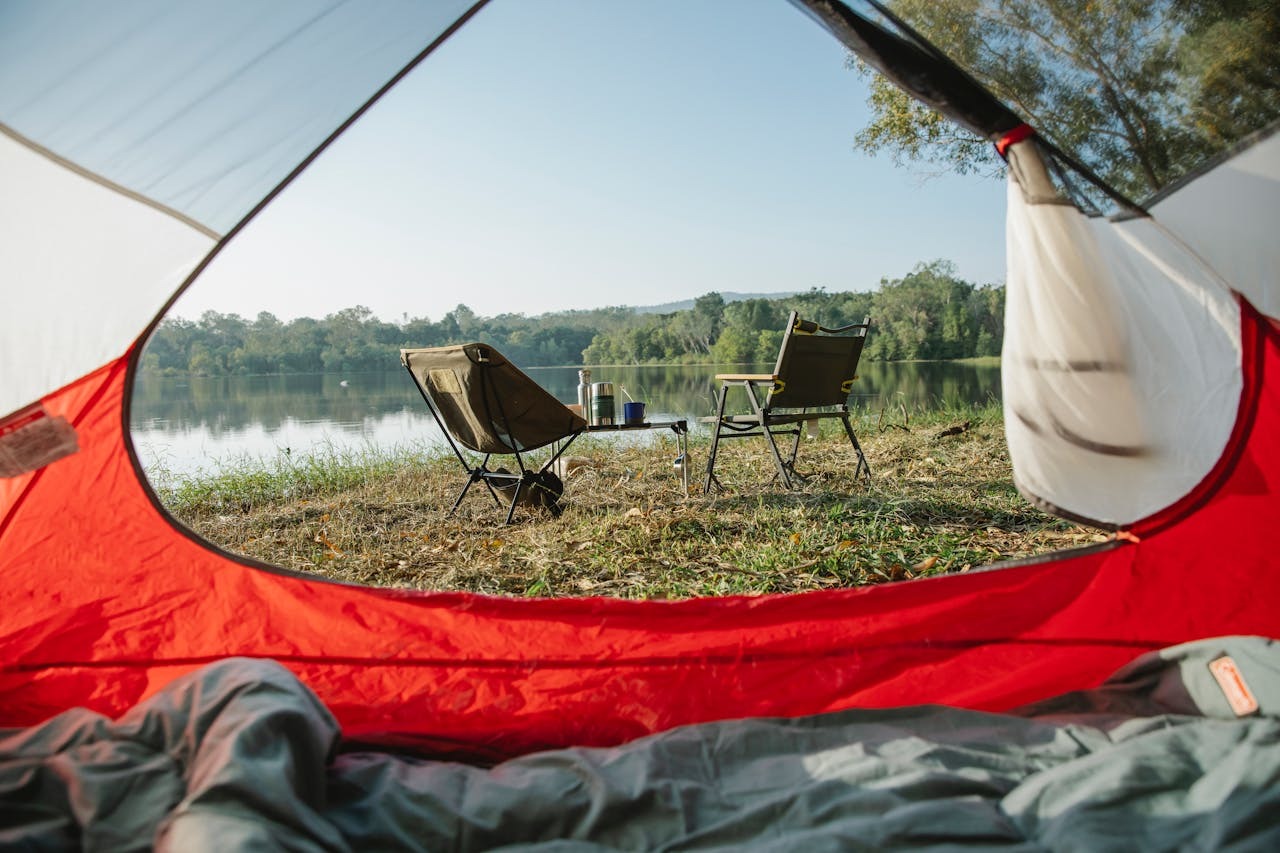
Sourcing water in the wilderness is about selecting the cleanest available option to minimise the burden on your purification system.
Moving water from streams and rivers is generally preferable to stagnant ponds or lakes. Flow helps disperse contaminants and reduces the concentration of biological growth.
Look for water sources at higher elevations when possible. These are less likely to be affected by agricultural runoff, livestock or downstream human activity. In the UK's upland areas, springs and fast flowing becks offer some of the cleanest natural water. Purification is still essential though.
Avoid water downstream from contamination sources like grazing livestock, camping areas or industrial sites.
Collect water from the centre and surface of moving water where possible, away from banks where sediment and biological matter accumulate. If you must use still water, draw from deeper areas rather than the edges. Avoid disturbing bottom sediments.
Morning collection can be advantageous as overnight cooling may cause some pathogens to become less active. This doesn't eliminate the need for purification though.
Inspect water visually before collection. Clear water requires less filtration than turbid water, extending the life of filter elements. If water contains visible debris, insects or algal growth, filter it first or seek a better source if available. Remember this: clear water isn't safe water. It simply makes your purification method more effective and efficient.
How Do You Maintain Your Water Purification Equipment?
Maintaining your water purification equipment is critical for ensuring it continues working and preventing system failure when you're depending on it.
Filter elements particularly require regular attention. Contamination buildup reduces flow rates and can compromise filtration quality.
Ceramic filters like those in the Katadyn Pocket Water Filter should be gently scrubbed with the provided brush or a clean cloth to remove surface contamination when flow rates decrease. Inspect for cracks or chips that could allow contaminants to bypass the filter. Even hairline cracks render ceramic elements unsafe.
Store ceramic filters dry and protect them from freezing. Ice formation can fracture the ceramic structure.
For hollow fibre membrane filters found in many modern systems, backflushing with clean water reverses flow and pushes accumulated contaminants out of the fibres. Follow manufacturer recommendations for backflushing frequency. Some systems recommend it after every use, others after processing specific volumes.
Never use chemically treated water for backflushing unless the manufacturer specifically approves it. Chemicals can damage delicate membranes.
Chemical treatments have indefinite shelf life when you store them properly, but check expiration dates and inspect tablets for moisture damage. Store them in their original waterproof packaging in a cool, dry location.
UV sterilisers require charged batteries. Carry spares on extended trips and periodically test the device to ensure it's functioning correctly.
After any wilderness trip, thoroughly clean and dry all components before storage. This prevents mould growth and degradation. Replace filter cartridges according to manufacturer specifications based on volume processed or time elapsed. The Grayl Ultrapress Purifier Cartridge, for example, has a finite lifespan. Continue using it beyond its rated capacity and you compromise safety.
At Heinnie Haynes, we've spent nearly three decades helping outdoor enthusiasts, bushcrafters and preparedness minded individuals select gear they can genuinely depend on. Our water purification range brings together reliable, field proven systems from manufacturers who share our commitment to quality and integrity.
Whether you're planning a weekend wild camp in Snowdonia or preparing a survival kit, we're here to ensure you choose the right water purification solution for your specific needs. If you'd like impartial, experience based advice on selecting water purification gear, our team is ready to help. Get in touch with us and we'll guide you to the kit that fits your requirements and budget.
Frequently Asked Questions (FAQs)
Can you drink stream water without purifying it?
Drinking untreated stream water is not recommended. Even clear flowing streams can harbour harmful pathogens like Giardia, Cryptosporidium and bacteria from wildlife or agricultural runoff. These contaminants cause severe gastrointestinal illness and can incapacitate you in remote locations where medical help is inaccessible.
What is the fastest way to purify water in an emergency?
The fastest method is using a filter straw or squeeze filter system, which provides immediately drinkable water by physically removing contaminants as you drink or squeeze. Alternatively, UV sterilisers work in under 10 seconds but require clear water and battery power to function effectively.
Are water purification tablets effective against all contaminants?
Water purification tablets are effective against most bacteria, viruses and protozoa, but Cryptosporidium requires extended contact times (up to 4 hours). Chemical contaminants, heavy metals or sediment aren't removed. Tablets are best for biological purification rather than treating all water issues.
How long does boiled water stay safe to drink?
Boiled water stays safe indefinitely if you store it in a clean, sealed container that prevents recontamination. The boiling process kills pathogens but doesn't prevent reintroduction of contaminants through poor storage, so use clean bottles and avoid touching the container opening with dirty hands.
What is the difference between a water filter and a water purifier?
The difference is that water filters remove bacteria and protozoa but typically not viruses due to their microscopic size. Water purifiers eliminate all three categories including viruses. For UK wilderness use, filters are generally sufficient, but purifiers are essential in areas with higher viral contamination risk.
Why not check out our other great blogs For Gear Recommendations And Outdoor Survival Tips