Top 10 Survival Skills for the Wilderness
Posted by Heinnie Haynes on 24th Oct 2024
Reading time: 6 minutes
Key Takeaways:
- Fire-making provides warmth, light, cooking capability and is essential for survival.
- Proper shelter construction protects against elements and prevents hypothermia.
- Finding and purifying water sources is crucial within the first 3-4 days.
- Foraging edible plants requires careful identification to avoid poisonous varieties.
- Navigation without electronics relies on compasses, maps, sun position and star patterns.
- First aid knowledge treats injuries and recognises life-threatening conditions like hypothermia.
- Essential knots (bowline, taut-line hitch, clove hitch) secure shelters and gear.
- Effective signalling methods include the universal distress signal of three.
- A quality fixed-blade knife serves as the most versatile survival tool.
- Mental resilience and calm decision-making often determine survival outcomes.
In an unpredictable world, essential survival skills can mean the difference between life and death. Understanding the basics of wilderness survival is invaluable, whether you spend your life outdoors or you simply appreciate the beauty of nature. Here is a guide to the top 10 survival skills everyone should know before venturing into the wild.
1. How can you build a fire in wilderness conditions?
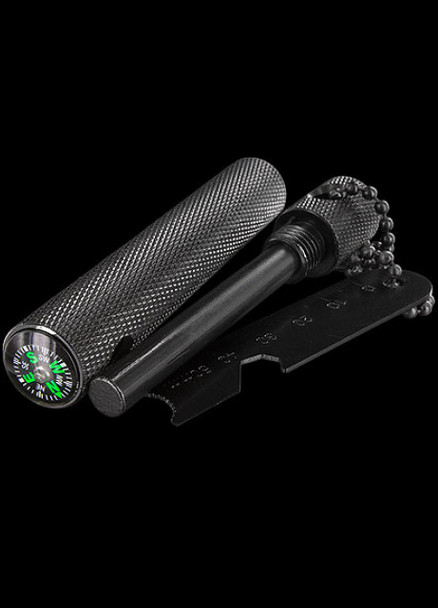
Fire is one of the most crucial elements of survival. It provides warmth, light and a means to cook food. Mastering fire building involves understanding various techniques, such as using a fire starter, creating a spark with flint and steel or employing the bow drill method.
Always gather dry tinder, kindling and larger fuel to keep your fire going. The tinder catches the initial spark, kindling builds the flame and larger wood sustains the fire for extended periods. Remember, in a survival situation, it is not just about making fire but about making it consistently.
Location matters as much as technique. Build your fire on mineral soil or rock rather than organic material that could smoulder underground. Create a windbreak to protect the flame whilst allowing enough airflow for combustion. Practice these skills before you need them in genuine emergencies.
Fire-Starting Methods Comparison
| Method | Skill Level Required | Weather Resistance | When to Use |
|---|---|---|---|
| Ferro Rod | Beginner-friendly | Works in wet conditions | All-purpose, reliable starter |
| Flint & Steel | Moderate skill needed | Good in most weathe | Traditional method, backup option |
| Bow Drill | Advanced technique | Difficult in rain | Primitive skills, emergency only |
| Commercial Fire Starter | Very easy | Excellent in all conditions | Quick fires, emergency situations |
Essential Fire-Building MaterialsTinder:
Dry grass, bark shavings, cotton wool, char cloth
Kindling: Small twigs 0.5-1.5 cm diameter, dry pine needles
Fuel wood: Progressively larger branches 2-10 cm diameter
Natural accelerants: Birch bark, fatwood, resinous wood
Fire lay styles: Teepee, log cabin, lean-to, platform
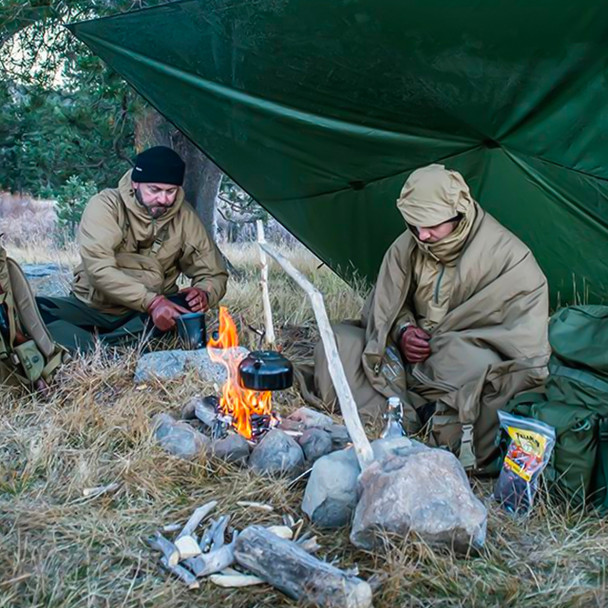
Creating a shelter is essential for protection against the elements. Your choice of shelter will depend on the materials available and the environment you find yourself in. Whether it is a lean-to, debris hut or natural cave, the key is to ensure it provides insulation and protection from wind and rain.
Understanding how to construct a reliable shelter can significantly enhance your chances of survival. A proper shelter keeps you dry, blocks wind and maintains body temperature. These factors prevent hypothermia, which kills far more quickly than lack of food.
Insulation beneath you matters more than most people realise. Cold ground conducts heat away from your body rapidly. Layer natural materials at least 30 centimetres deep beneath your sleeping area using materials such as leaves, grass or pine boughs. This simple step dramatically improves warmth retention.
Key Shelter Construction Principles
- Choose elevated ground to avoid water pooling and flooding
- Build on mineral soil or rock, not combustible organic material
- Create 30+ centimetres of insulation beneath sleeping area
- Position entrance away from prevailing winds
- Ensure roof angle sheds water effectively (minimum 45-degree slope)
- Seal gaps to prevent heat loss and wind penetration
- Keep shelter size minimal to conserve body heat


3. Where can you find clean water, and how do you purify it?
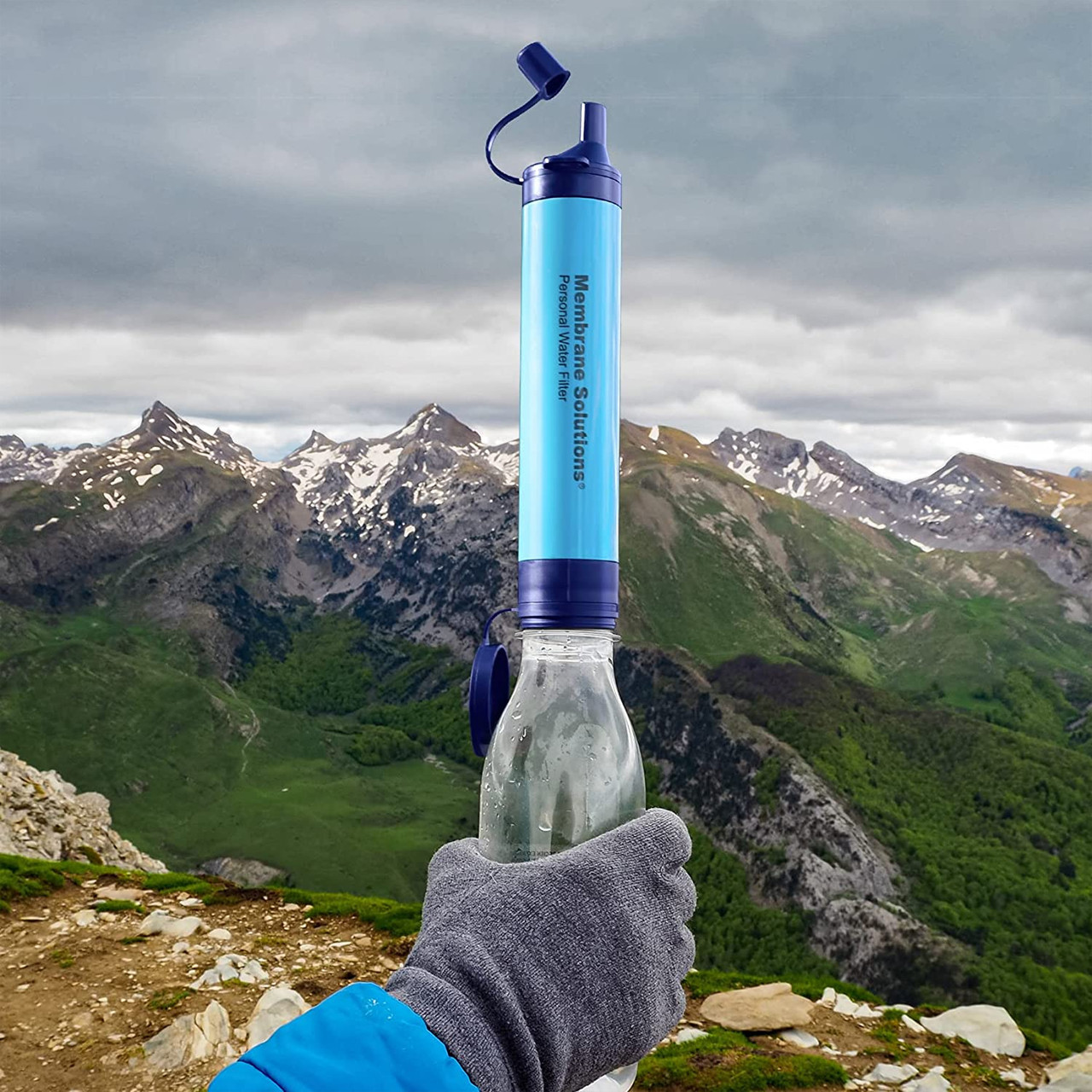
Finding clean water is crucial for survival. In the wild, you may need to collect rainwater, find streams or locate other water sources. Always remember that water should be purified before consumption. Techniques include boiling, using water filtration systems or chemical purification methods.
Learning how to find and treat water sources is a foundational wilderness skill. Moving water is generally safer than stagnant pools, but all wild water should be treated as potentially contaminated. Boil water for at least one minute, longer at higher altitudes where water boils at lower temperatures.
Follow animal tracks to water sources, as wildlife requires regular access to drinking water. Morning dew collected with an absorbent cloth provides small amounts of water. Green vegetation yields moisture when wrapped in plastic and is exposed to sunlight; however, this produces minimal quantities, but it is an option in desperate situations.
Water Purification Methods
| Method | Time Required | Equipment Needed | What It Removes | Limitations |
|---|---|---|---|---|
| Boiling | 1-3 minutes | Heat source, container | Kills bacteria, viruses, parasites | Doesn't remove chemicals or sediment |
| Chemical Tablets | 30-60 minutes | Purification tablets | Kills most microorganisms | Doesn't remove chemicals; may affect taste |
| Filtration System | Immediate use | Filter device | Removes bacteria, protozoa, sediment | Requires maintenance; may not remove viruses |
| UV Light | Varies by device | UV purifier, batteries | Kills bacteria, viruses, protozoa | Requires clear water; battery dependent |
Natural Water Source Indicators
- Animal tracks converging in one direction
- Insect swarms (mosquitoes, flies) hovering in areas
- Bird flight patterns at dawn and dusk
- Lush vegetation in otherwise dry areas
- Valley bottoms and natural depressions
- Rock crevices and shaded areas retaining moisture
4. Which plants are safe to forage and eat?
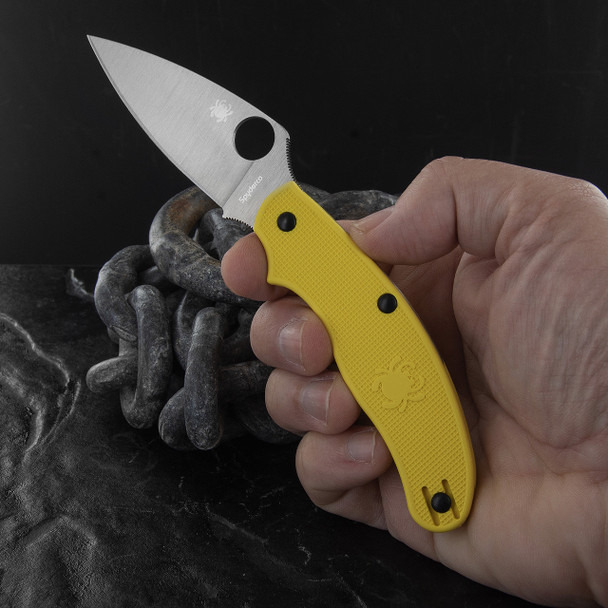
Knowing what to eat can be life-saving in a survival situation. Familiarise yourself with local edible plants, nuts and berries, but be aware of poisonous varieties. A basic understanding of foraging can provide crucial nutrients, but approach this skill with caution.
Learning simple trapping and fishing techniques is a helpful supplement to your diet. However, plant identification requires considerable study before you stake your life on it. Many poisonous plants closely resemble edible ones, and mistakes prove fatal.
Focus on learning 5 to 10 common edible plants in your region thoroughly, rather than attempting to memorise hundreds. Understand their seasonal availability, growth patterns and any toxic look-alikes. Avoid plants with milky sap, umbrella-shaped flower clusters or beans and bulbs in the wild unless you have expert identification skills.
Plants to Avoid in the Wild
Plants with milky or discoloured sap
- Mushrooms (unless 100% certain of identification)
- Plants with umbrella-shaped flower clusters (hemlock family)
- Plants with beans, bulbs or seeds inside pods
- Plants with fine hairs or thorns causing skin irritation
- Plants with an almond scent (potential cyanide)
- Any plant resembling parsley, parsnip or dill in the wild
Universal Edibility Test Steps
- Separate the plant into components (leaves, stems, roots, flowers)
- Test one component at a time over 24 hours
- Smell for strong or acidic odours (discard if present)
- Touch to skin for 15 minutes (check for irritation)
- Place on lips for 3 minutes (check for burning or tingling)
- Place on tongue for 15 minutes (check for reaction)
- Chew and hold in mouth for 15 minutes (do not swallow)
- Swallow small amount and wait 5 hours (monitor for symptoms)
5. How do you navigate without GPS or electronic devices?
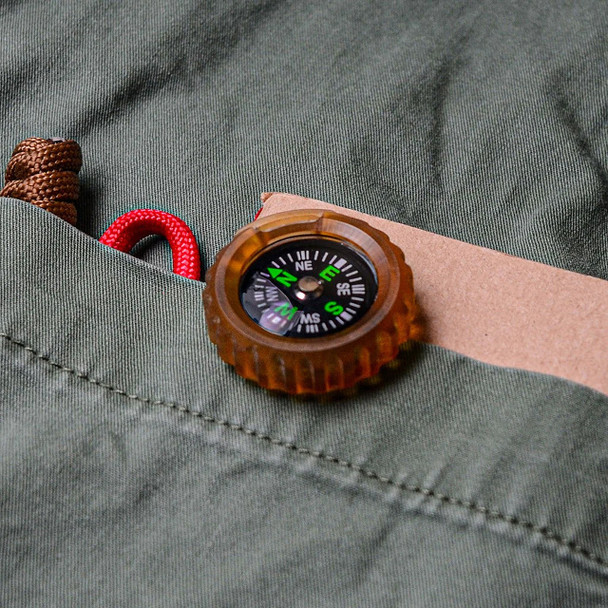
Navigating in the wilderness is vital, whether using a compass, a map or natural landmarks. GPS devices can fail, but understanding how to read a map and use a compass can help you find your way back to safety. Practise these skills in a controlled environment before relying on them in the wild.
The sun provides directional cues. In the northern hemisphere, it rises in the east and sets in the west, moving across the southern sky. At night, locate the North Star by finding the Plough constellation and following the pointer stars. The North Star sits nearly motionless while other stars rotate around it.
The shadow stick method works anywhere the sun casts shadows. Place a stick upright, mark where the shadow tip falls, wait 15 to 20 minutes, mark the new shadow position and draw a line between the two marks. This line runs roughly east to west. These are global techniques that work with slight variations depending on hemisphere and latitude.
Natural Navigation Methods
| Method | Reliability | Requirements | Accuracy Notes |
|---|---|---|---|
| Sun Position | High | Clear sky, daytime | Provides general direction east-west |
| Shadow Stick | High | Sunny conditions, 15-20 minutes | East-west line, requires patience |
| North Star | Very High | Clear night sky, northern hemisphere | Most accurate natural method |
| Moss Growth | Low | Forested areas | Unreliable; influenced by multiple factors |
| Moon Phase | Moderate | Visible moon | Requires understanding of lunar cycle |


6. What first aid skills are essential for wilderness survival?
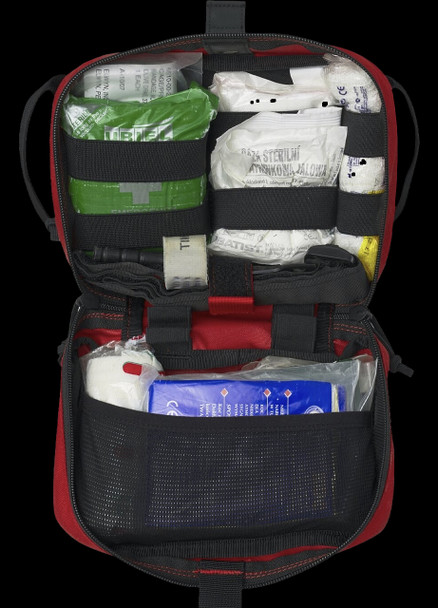
Accidents can happen anywhere, but access to medical help in the wilderness may be limited. Knowing basic first aid includes how to treat cuts, burns and sprains. Familiarise yourself with common wilderness ailments such as hypothermia and heat stroke, and always carry a first aid kit with essential supplies.
Wound care prevents infection in environments where medical help is hours or days away. Clean the wounds thoroughly with treated water. To stop the bleeding, apply pressure and dress the wound with clean materials. Monitor for signs of infection such as increased redness, warmth, swelling or pus.
Hypothermia is a quick killer in cold and wet conditions. Symptoms include uncontrollable shivering, confusion, slurred speech and loss of coordination. Treatment requires:
- Removing any wet clothing immediately
- Providing dry insulation and layered clothing
- Gentle warming with body heat or external sources
- Warm, sweet drinks if the person can swallow safely
- Never give alcohol, which dilates blood vessels and accelerates heat loss
Wilderness First Aid Priorities
- Assess scene safety before approaching casualties
- Check airway, breathing, circulation (ABC protocol)
- Control severe bleeding with direct pressure
- Treat for shock by elevating legs, maintaining warmth
- Immobilise fractures before moving casualties
- Monitor vital signs regularly for deterioration
- Document injuries and treatments administered
Essential First Aid Kit Contents
- Sterile gauze pads and roller bandages (various sizes)
- Adhesive tape and plasters (waterproof varieties)
- Antiseptic wipes and antibiotic ointment
- Tweezers, scissors and safety pins
- Pain relief medication (paracetamol, ibuprofen)
- Antihistamines for allergic reactions
- Thermal blanket for hypothermia prevention
- Triangular bandage for slings and splints
7. Which knots should every survivalist know?
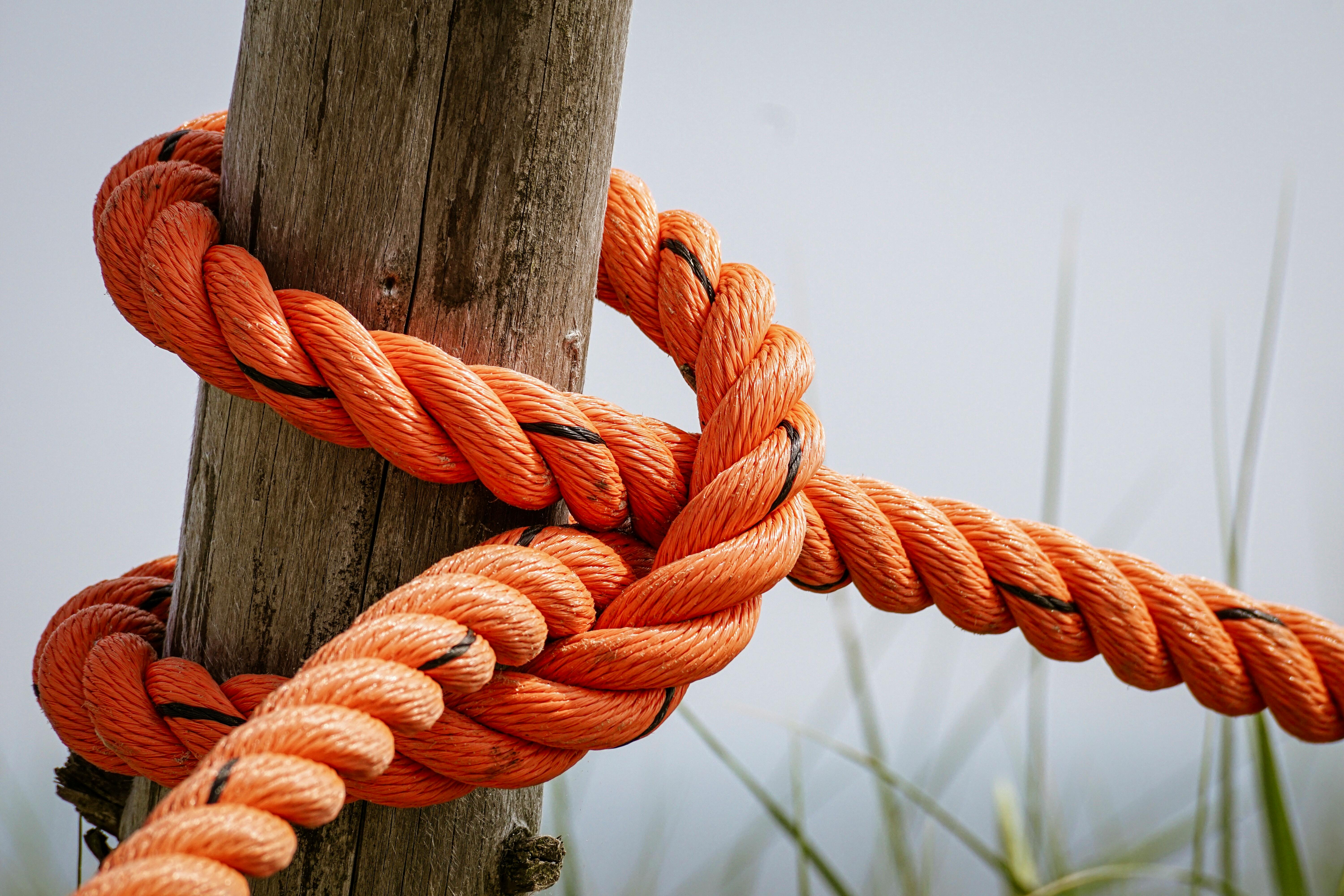
Knot tying is a fundamental skill in wilderness survival, whether for constructing shelters, securing gear or fishing. Learn several knots, such as the bowline, clove hitch and square knot. These knots will enhance your ability to create effective and secure structures in various situations.
The bowline creates a fixed loop that will not slip or bind under load. The taut-line hitch allows for adjustable tension, perfect for tent guy lines and shelter construction. The clove hitch quickly secures the rope to posts or trees. Mastering these three knots will enable you to handle most wilderness cordage needs.
Practice tying these knots until your fingers know them without conscious thought. In cold weather with numb fingers or in darkness, muscle memory becomes your only guide. The difference between a properly tied knot and a poor one can mean the difference between a secure shelter and a collapsed structure.
Essential Survival Knots
| Knot Name | Primary Use | Key Characteristic | Best Application |
|---|---|---|---|
| Bowline | Fixed loop | Won't slip under load | Rescue, securing loads, creating loops |
| Taut-line Hitch | Adjustable tension | Can be slid along rope | Guy lines, tent stakes, adjustable lashing |
| Clove Hitch | Securing to posts | Quick to tie and untie | Fast attachment to trees or poles |
| Square Knot | Joining ropes | Joins equal-diameter ropes | First aid bandages, bundling items |
| Prusik Knot | Movable grip | Grips when loaded, slides when not | Climbing, hauling systems |
Knot-Tying Practice Principles
- Master one knot completely before learning another
- Practice with eyes closed to develop muscle memory
- Use different rope thicknesses and materials
- Test knots under load before relying on them
- Learn both right-handed and left-handed methods
- Understand when each knot is appropriate (and inappropriate)
- Keep cordage dry and inspect for wear regularly
8. How can you signal for help effectively?
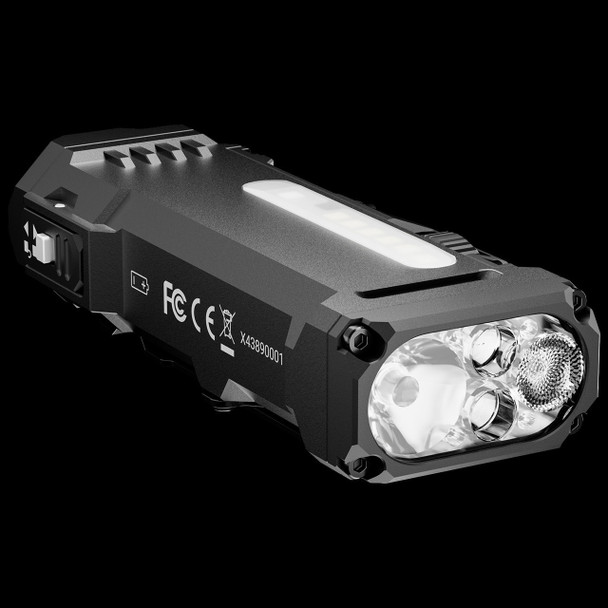
Knowing how to signal for help can increase your chances of being rescued in an emergency. To attract attention, use reflective objects, brightly coloured clothing or even smoke from a fire. Learning Morse code with a flashlight or whistle can also be effective.
Make sure to have a plan for signalling before heading into the wilderness. Three of anything signals distress: three fires, three whistle blasts or three flashes of light. This universal distress signal is recognised internationally. Smoke signals work brilliantly during daylight, particularly against contrasting backgrounds.
Signal mirrors reflect sunlight visible for kilometres, even to aircraft. On cloudy days or at night, a bright flashlight or torch serves a similar purpose. Brightly coloured tarps, clothing or markers create visual signals for aerial searchers. Create large ground signals using rocks, logs or cleared areas in patterns that clearly indicate human activity.
Universal Distress Signals
- Three fires arranged in a triangle pattern (100 metres apart)
- Three whistle blasts in succession, repeated every minute
- Three flashes of light repeated at regular intervals
- SOS in Morse code: Three short, three long, three short (••• ─── •••)
- Ground markers spelling SOS or X (minimum 3 metres tall)
- Bright materials arranged in geometric patterns
- Smoke signals: Dark smoke (green vegetation) for clear skies, white smoke (dry materials) for overcast
Signalling Equipment Options
| Signal Type | Visibility | Day/Night Use | Weather Dependent | Energy Required |
|---|---|---|---|---|
| Signal Mirror | Very long range in sunlight | Day only | Requires clear skies | Very Low |
| Smoke Fire | Visible for many kilometres | Day only | Moderate | High |
| Flashlight | Several kilometres range | Night preferred | Any | Low |
| Whistle | Carries well (1-3 km) | Both | Any | Very Low |
| Emergency Flares | Highly visible | Both | Any | None (one-time use) |
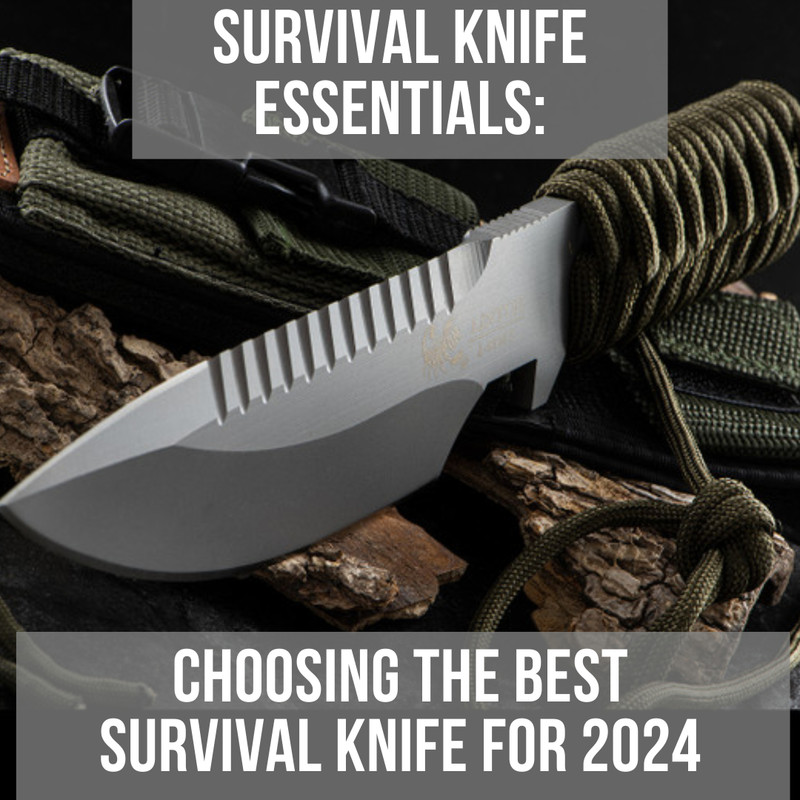
9. Why should you always carry a quality knife?
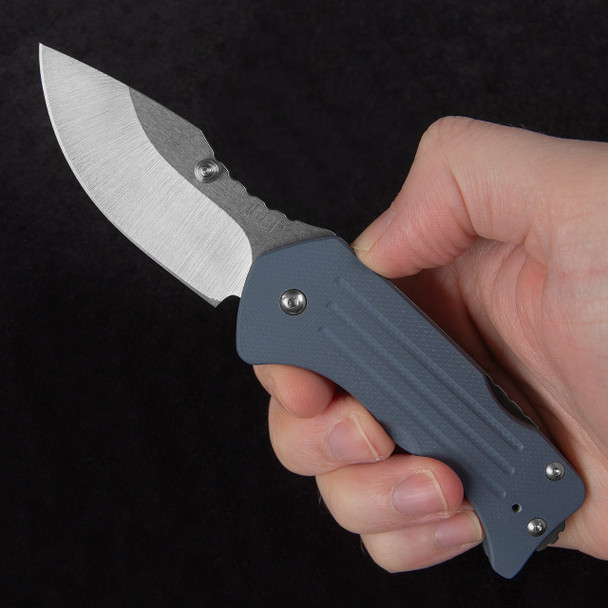
Ensuring you have a reliable knife on hand is essential. Knives are key in survival situations, where they are used to prepare food, chop wood to create a fire for warmth and construct shelters.
A good survival knife serves dozens of purposes: processing game, carving tools, cutting cordage, preparing kindling, digging, self-defence and countless other tasks. The right knife becomes the single most versatile tool in your survival kit. Choose a full-tang fixed blade between 10 and 15 centimetres for optimal versatility.
Maintain your knife properly. A dull blade is dangerous because it requires excessive force and is more likely to slip. Keep your knife sharp, clean and lightly oiled to prevent rust. Learn proper cutting techniques that keep fingers away from the blade path. A quality knife accompanied by the skills to use it safely dramatically improves survival odds.
Survival Knife Selection Criteria
| Feature | Recommended Specification | Why It Matters |
|---|---|---|
| Blade Length | 10-15 cm | Versatile for most tasks without being unwieldy |
| Tang Type | Full tang | Maximum strength, won't separate from handle |
| Blade Steel | Carbon or stainless | Carbon easier to sharpen, stainless resists rust |
| Edge Type | Plain edge | More versatile than serrated for survival tasks |
| Handle Material | Rubber or micarta | Secure grip in wet conditions |
| Blade Thickness | Sufficient for batoning | Strong enough for hard use tasks |
Essential Knife Maintenance Tasks
- Sharpen blade regularly using whetstone or field sharpener
- Clean blade after each use, especially after cutting food
- Apply light oil coating to prevent rust (carbon steel especially)
- Inspect handle attachment points for looseness
- Check for blade chips, cracks or excessive wear
- Store in dry sheath away from moisture
- Practice proper cutting techniques away from body


10. How do you develop mental resilience for survival situations?
Finally, the most critical survival skill is mental resilience. The wilderness can be unforgiving, and maintaining a positive mindset is vital. Practising mindfulness, staying calm in emergencies and setting realistic goals can help you navigate challenges.
Remember, survival is as much a mental game as a physical one. Panic wastes energy, clouds judgment and leads to poor decisions. The ability to remain calm, assess situations rationally and take methodical action often determines survival outcomes more than any physical skill or piece of equipment.
Break overwhelming situations into manageable tasks. Focus on immediate priorities: shelter, water, fire, signalling. Accomplishing small goals builds confidence and momentum. Maintain hope and accept your situation realistically. Many survival stories hinge not on superhuman physical abilities but on ordinary people who simply refused to give up.
Survival Priorities Timeline (Rule of Threes)
| Time Without | Survival Risk | Priority Level | Immediate Actions |
|---|---|---|---|
| 3 minutes (air) | Death | Critical | Clear airway, check breathing, rescue breathing if needed |
| 3 hours (shelter) | Hypothermia | Very High | Build shelter, stay dry, insulate from ground |
| 3 days (water) | Dehydration | High | Locate and purify water source, ration existing supply |
| 3 weeks (food) | Starvation | Moderate | Forage, trap, fish, conserve energy for essential tasks |
Note: These timeframes are general guidelines and vary significantly based on environmental conditions, physical fitness and individual circumstances.
Mental Resilience Techniques
- STOP acronym: Sit, Think, Observe, Plan before taking action
- Set micro-goals: Focus on next hour, not entire ordeal
- Maintain routine: Regular tasks provide structure and purpose
- Stay occupied: Idle mind breeds panic and hopelessness
- Practice gratitude: Focus on what's working, not only problems
- Visualise success: Mental rehearsal of positive outcomes
- Accept discomfort: Comfort isn't required for survival
- Document experience: Journaling provides perspective and distraction
Common Survival Psychology Challenges
Initial shock and denial: Accept reality quickly, begin planning
Fear and panic: Control breathing, focus on immediate task
- Loneliness and despair: Maintain mental engagement, stay busy
- Boredom and apathy: Create daily routines and goals
- Giving up: Remember loved ones, focus on reasons to survive
Mastering these ten fundamental survival skills provides a solid foundation for wilderness adventures. Each skill reinforces the others, creating a comprehensive approach to outdoor self-reliance. Regular practice transforms theoretical knowledge into practical capability. The wilderness rewards preparation, punishes ignorance and respects those who approach it with both confidence and humility.
Before your next outdoor adventure, assess your proficiency in each of these areas. Dedicate time to improving and identifying weaknesses. The best survival situation is the one you avoid through proper planning, especially in demanding circumstances. These skills can mean the difference between a challenging experience and a genuine emergency.
Frequently Asked Questions (FAQs)
What is the single most important survival skill to master first?
How long can a person survive without water in wilderness conditions?
Do you need expensive equipment to learn basic survival skills?
Can survival skills be self-taught or do you need professional instruction?
What mental qualities are most important for wilderness survival situations?
Why not check out our other great blogs For Gear Recommendations And Outdoor Survival Tips