The Ultimate Survival, Bushcraft, and Knife Guide: Part 3 – Survival Gear Essentials: Reddit Answered
Posted by Heinnie Haynes on 3rd Mar 2025
Reading time: 8 minutes
Key Takeaways:
- Your survival kit must include multi-tools, first aid, water filtration, fire-starting tools, paracord, emergency shelter, navigation tools, food supplies and a dependable knife.
- Choose a survival backpack with 35-45 litre capacity that balances durability, water resistance and comfort with adjustable straps and MOLLE compatibility.
- Quality multi-tools from Leatherman, Victorinox and Gerber combine multiple functions into one compact device essential for survival situations.
- Organise gear by purpose using compression bags and dry sacks, placing heavier items centrally for balance.
- Modern water filtration systems like LifeStraw and Katadyn Pocket Filter provide reliable purification from natural water sources.
- Layer clothing with moisture-wicking base layers, insulating mid-layers and water-resistant outer layers while choosing boots with ankle support.
- Preserve food using dehydration, freeze-drying, vacuum-sealing or traditional methods like salt curing and smoking.
- Signal for help using mirrors, whistles, bright clothing, emergency flares and ground-to-air signals.
- Start fires in adverse conditions using ferro rods, waterproof matches, elevated platforms and multi-layer ignition methods.
- Assemble lightweight survival kits under 5 kilograms, focusing on essential, multi-functional items stored in water-resistant pouches.
Welcome to Part 3 of Heinnie Haynes' ultimate guide to survival, bushcraft and outdoor tools. In this instalment, we focus on survival gear essentials. The Reddit community asked, and we answered.
Discover the equipment you need to stay safe, secure and self-sufficient in the great outdoors. Whether you are trekking into the unknown or preparing for an emergency, the right gear can make all the difference. We have compiled the most frequently asked questions from the survivalist community to help you select the gear that best suits your needs. From water filtration systems to lightweight survival kits, this guide will ensure you are well-prepared for any situation.
What Are the Critical Items to Include in a Survival Kit?
The foundation of any survival kit lies in its versatility and ability to address the basic needs of shelter, fire, water, and food. At a minimum, your kit should include:
- A multi-tool with pliers, screwdrivers and a cutting blade
- A first aid kit stocked with bandages, antiseptics and emergency medications
- A water filtration system, such as the LifeStraw, for reliable access to clean drinking water
- Fire-starting tools such as a ferro rod, waterproof matches or a reliable lighter
- Paracord for building shelters, securing loads or crafting tools
- An emergency shelter, such as a space blanket, bivvy bag or tarp
- Navigation tools, including a compass and a map of the area
- High-energy emergency food supplies, such as rations bars or freeze-dried meals
A dependable knife for cutting, carving and general utility
Depending on your environment, you may also need specialised gear, such as extra water containers for desert treks or thermal clothing for arctic conditions. The key is selecting items that address your specific environment and potential challenges.
Survival Kit Weight Guidelines
| Kit Type | Weight Range | Ideal For | Key Components |
|---|---|---|---|
| Ultralight Emergency Kit | 1-2 kg | Day trips, minimal scenarios | Fire starter, emergency blanket, compact knife, whistle |
| Standard Survival Kit | 2-3.5 kg | Weekend trips, general preparedness | All ultralight items plus first aid, water filter, paracord |
| Extended Expedition Kit | 3.5-5 kg | Multi-day wilderness, professional use | All standard items plus food, shelter, navigation tools |
How Do You Choose the Right Survival Backpack?
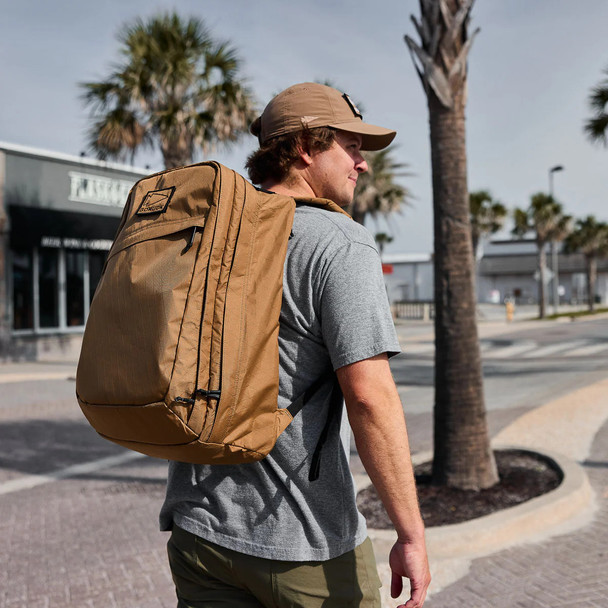
A survival backpack should be a balance of capacity, durability and comfort. Look for a pack with a capacity of 35 to 45 litres, as this is sufficient for most survival scenarios without becoming too cumbersome. This size allows you to carry essential gear and remain mobile enough for extended travel.
Choose a backpack made from water-resistant materials to protect your gear from the elements, and ensure it has multiple compartments for organised packing. External pockets provide quick access to frequently needed items, while internal organisation prevents critical gear from shifting during movement.
Comfort is critical, especially when carrying heavy loads. Opt for a pack with adjustable straps, a padded back panel, and a hip belt for even weight distribution. MOLLE-compatible designs are ideal for attaching additional pouches or tools. Brands like 5.11 Tactical, Maxpedition and Pentagon are renowned for their rugged, well-designed survival backpacks.
Test the pack with weight before committing to a purchase. What feels comfortable empty can become unbearable when loaded with 15 kilograms of gear. The pack should sit naturally on your hips with minimal shoulder strain.

Survival Backpack Features Checklist
| Feature | Why It Matters | Look For |
|---|---|---|
| Capacity | Balance between gear and mobility | 35-45 litres |
| Material | Weather protection | Water-resistant materials |
| Weight Distribution | Comfort on long treks | Padded hip belt, adjustable straps |
| Organisation | Quick access to critical gear | Multiple compartments, external pockets |
| Compatibility | Expandability for additional gear | MOLLE webbing |
What Are the Best Multi-Tools for Survival Situations?
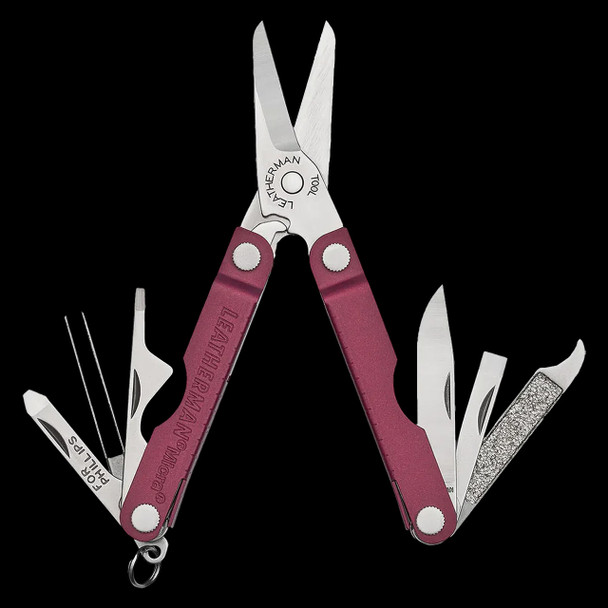
A multi-tool is essential to survival gear, as it combines multiple functions into one compact device. The best multi-tools include features such as pliers, knife blades, screwdrivers, bottle openers, wire cutters and saw blades. Durability and ease of use are paramount, particularly when your hands are cold or you are working in challenging conditions.
Top brands such as Leatherman, Gerber and Victorinox offer reliable multi-tools that are trusted by adventurers and professionals alike. For tactical use, consider options from SOG. Each manufacturer brings different strengths, so consider which tools you use most frequently when selecting your multi-tool.
The beauty of a quality multi-tool is its ability to replace an entire toolbox. In survival situations where every gram matters, this consolidation proves invaluable. Look for models with easily accessible tools that lock securely during use.
Multi-Tool Brand Comparison
| Brand | Key Features | Best Known For |
|---|---|---|
| Leatherman | Premium steel, precision engineering, durable construction | Professional and heavy-duty use |
| Victorinox | Compact, lightweight, Swiss precision | Everyday carry and travel |
| Gerber | Tactical focus, one-hand operation | Tactical and military applications |
| SOG | Compound leverage, gear-driven mechanisms | Heavy-duty tasks |
How Can You Effectively Pack and Organise Your Survival Gear?
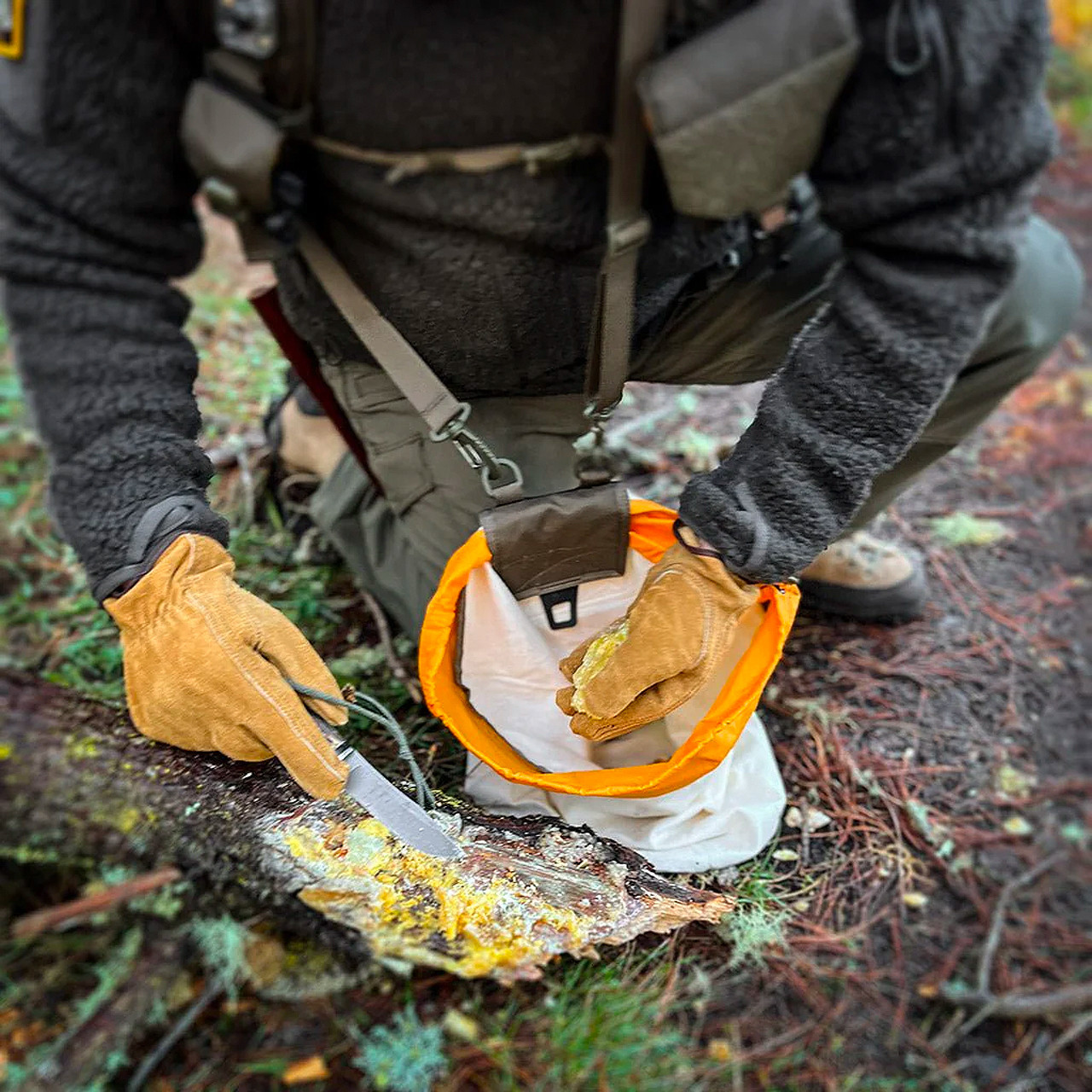
Organisation is key to ensuring your gear is accessible when you need it most. Start by categorising items by their purpose, such as shelter, fire or navigation. This system effectively allows for quicker location of critical items without unpacking your entire kit.
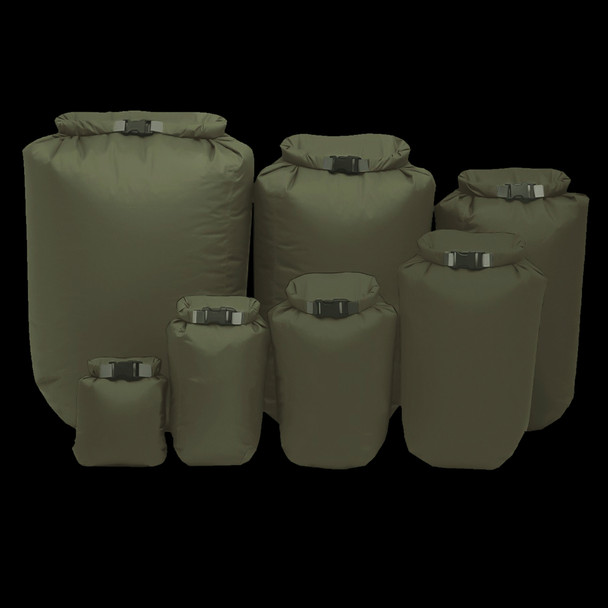
Use compression bags to save space, and dry bags and stuff sacks to protect delicate items such as electronics or matches. Heavier items should be packed centrally, close to your back, to maintain balance and reduce strain. This positioning keeps the centre of gravity near your body, improving stability on uneven terrain.
Frequently used items, such as your knife or fire starter, should be stored in easily accessible compartments. Avoid overpacking, prioritise lightweight, multi-functional gear to minimise weight without sacrificing capability. Every item in your pack should justify its weight and space by serving multiple purposes or being essential.
Create a packing list and review it after each trip, remove items you never used and add gear you wish you had. This iterative approach refines your kit over time.
What Are the Best Portable Water Filtration Systems?
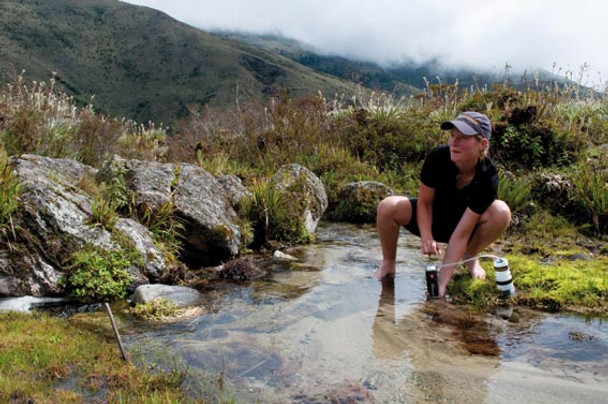
Access to clean drinking water is a top priority in any survival situation. Modern filtration systems provide reliable solutions for purifying water from rivers, lakes and streams. The lightweight and easy-to-use LifeStraw is a straw-style filter that removes bacteria and protozoa, making it a favourite for emergencies.
The Katadyn Pocket Filter is a robust option for long-term use, offering exceptional durability and filtration capacity. This pump-style filter handles high volumes and can be field-maintained when necessary. Chemical purification tablets offer a lightweight backup option; however, they require a waiting time before water becomes safe to drink.
UV purifiers work quickly and effectively but require batteries or charging, making them less reliable for extended wilderness trips. Boiling remains the most dependable method when you have fire and a suitable container. Always carry multiple purification methods to ensure redundancy.
Water Filtration System Comparison
| System Type | Weight | Capacity | Best For | Field Maintenance |
|---|---|---|---|---|
| LifeStraw (Straw-style) | 56g | 1,000 litres minimum | Emergency use, lightweight travel | No maintenance required |
| Katadyn Pocket (Pump) | 550g | 50,000 litres | Long-term use, group travel | Field-maintainable, cleanable ceramic filter |
| Chemical Tablets | Minimal | Varies | Backup purification | Replace after expiry date |
| UV Purifier | Varies | Unlimited (battery dependent) | Quick purification with power available | Requires batteries or charging |
| Boiling | None | Unlimited | Most reliable when fire available | None required |
How Do You Select Clothing and Footwear for Survival Scenarios?
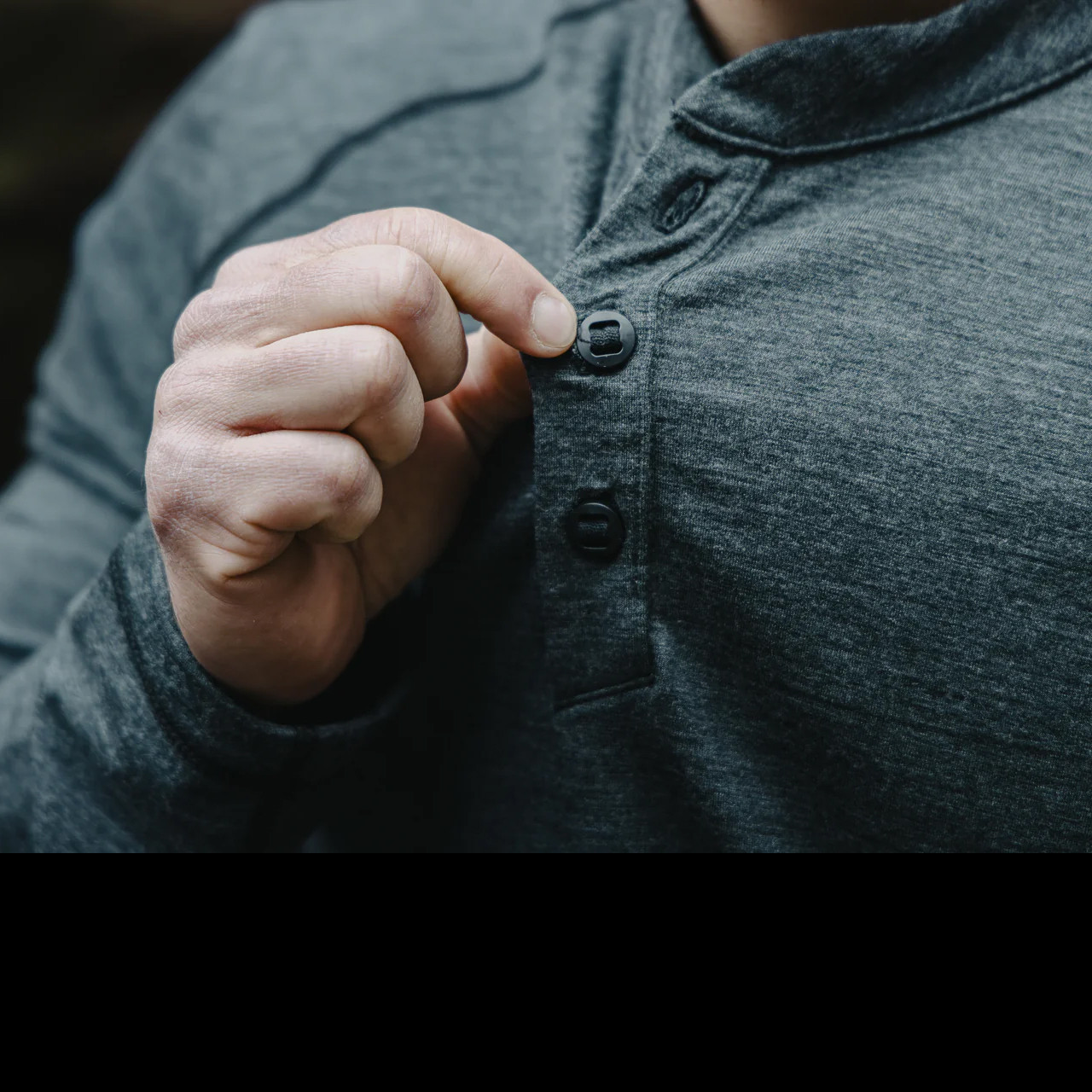
Proper clothing and footwear can mean the difference between comfort and catastrophe. Start with a moisture-wicking base layer to keep sweat away from your skin, followed by an insulating mid-layer to retain heat. A water and wind-resistant outer layer is essential for protecting against the elements.
This layering system allows you to regulate body temperature by adding or removing layers as conditions change. Cotton should be avoided, as it loses all insulating properties when wet and dries slowly. Synthetic or merino wool materials perform far better in wilderness conditions.
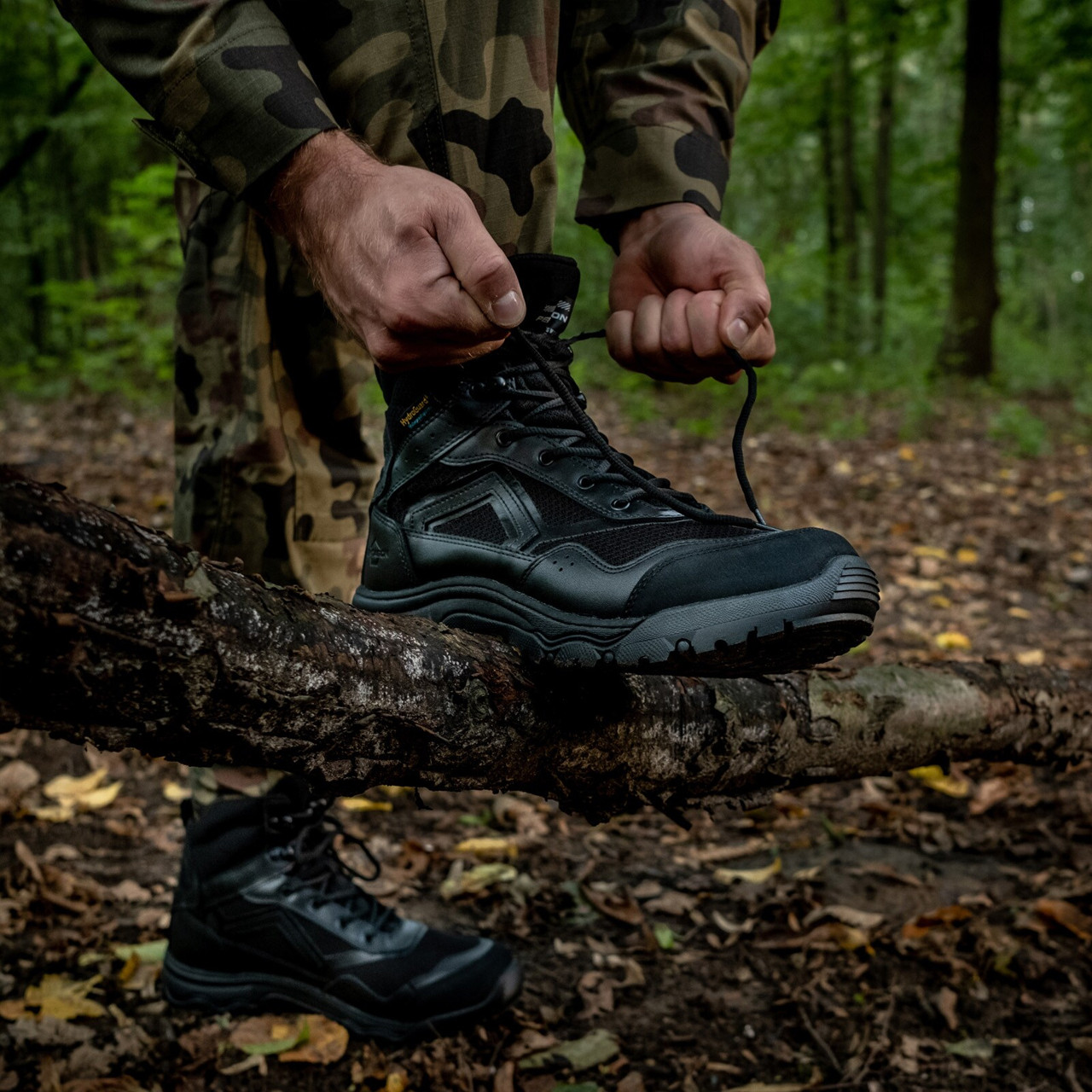
For footwear, prioritise ankle support, water resistance and a strong grip. Lightweight boots are ideal for mobility, while breathable materials help prevent blisters. Consider brands like 5.11 and Blundstone, which are known for their rugged outdoor footwear.
Break in new boots thoroughly before any serious expedition. Blisters and hot spots develop quickly with stiff footwear, potentially ending your trip prematurely. Carry spare socks and change them regularly to keep feet dry and comfortable.


What Are the Best Practices for Food Storage and Preservation?
Preserving food in the wild requires methods that maintain nutritional value and prevent spoilage. Dehydration and freeze-drying are excellent options for lightweight, long-lasting food. These processes remove moisture that bacteria need to grow, extending their shelf life.
Vacuum-sealing protects against moisture and pests, while salt curing and smoking are traditional methods for preserving meat. These techniques have sustained humans for millennia and remain effective when modern options are unavailable.
When packing food, prioritise high-calorie, nutrient-dense options like nuts, jerky and rations bars. To avoid attracting wildlife, store food in waterproof containers and away from sleeping areas. In bear country, proper food storage becomes a critical safety concern, not merely a convenience.
Calculate your daily caloric needs based on activity level. Travelling in the wilderness burns far more energy than normal daily life, particularly in cold weather or challenging terrain. Plan for 3,000 to 5,000 calories per day for strenuous activity.

How Can You Signal for Help in a Remote Area?
Signalling for help is critical in emergencies, and having the right tools can save your life. On sunny days, a signal mirror can catch the attention of rescuers from miles away; the reflected sunlight is visible from aircraft at remarkable distances.
A whistle is another must-have, as its sound carries farther than a shout. Bright clothing or a survival tarp can serve as a visual marker, and emergency flares provide both light and visibility at night. Modern flares burn at high temperatures and are visible in various weather conditions.
If you are stranded for an extended period, create ground-to-air signals using rocks, branches or fire to alert aerial search teams. The international distress signal consists of three of anything, such as three fires, three whistle blasts or three flashes of light. Modern survivalists should also consider carrying a satellite communication device for added security in truly remote areas.
What Are the Most Reliable Methods for Starting a Fire in Adverse Conditions?
Fire is essential for warmth, cooking and signalling, but wet conditions can make starting one challenging. Always carry a ferro rod or waterproof matches as a backup. Use a magnifying lens on sunny days or fire starters when natural tinder is scarce.
To combat damp environments, create an elevated fire platform using dry materials. Strip the inner layers of wood to find dry kindling and protect your fire with a windbreak. Multi-layer ignition methods, such as using char cloth or Vaseline-coated cotton balls, ensure a reliable flame.
Feather sticks carved from dead standing wood provide excellent kindling even in wet conditions. The inner wood remains dry while the outer bark absorbs moisture. Practice creating these before you need them in genuine survival situations.

How Do You Assemble a Lightweight Survival Kit?
A lightweight survival kit should weigh no more than 5 kilograms and focus on essential, multi-functional items. Include a compact knife, a multi-tool, fire-starting equipment, a water filtration system, and a space blanket for warmth. Prioritise gear that serves multiple purposes, such as paracord, which can be used for shelter, repairs or traps.
Store your kit in a durable, water-resistant pouch, and review its contents regularly to ensure everything is in working order. Batteries degrade, water purification tablets expire and rubber components perish. Regular inspection prevents failures when you need the gear most.
Remember, a well-planned survival kit is a balance of minimal weight and maximum utility. Test your kit during day trips before relying on it for serious expeditions. This practice reveals gaps in your planning and builds familiarity with your equipment.
Consider your most likely emergency scenarios when assembling your kit. Urban emergencies differ from wilderness survival; coastal environments present their own challenges, as do those of mountains or deserts.
Survival gear is the cornerstone of any outdoor adventure or emergency preparation. By investing in the right tools and learning how to use them effectively, you can confidently face whatever challenges the wilderness presents. From water filtration systems to multi-tools, Heinnie Haynes offers a range of premium survival gear trusted by professionals and enthusiasts alike.
Stay tuned for Part 4, where we explore essential survival skills that every adventurer should master. Heinnie Haynes provides the knowledge and equipment to keep you safe and prepared for the journey ahead.
Frequently Asked Questions (FAQs)
What is the minimum weight for a functional survival kit?
How much should you budget for quality survival gear as a beginner?
Are expensive multi-tools significantly better than budget alternatives for survival use?
What water filtration capacity do you need for extended wilderness trips?
How often should you replace items in your survival kit?
Why not check out our other great blogs For Gear Recommendations And Outdoor Survival Tips