EDC for Beginners: Build Your First Kit (Under £50 / £100)
Posted by HH on 17th Mar 2026
Estimated reading time: 8 minutes
Building your first everyday carry kit is one of the most rewarding steps you can take towards practical self-reliance. The challenge isn't a lack of options. It's the opposite: too many choices across too many price points. This guide helps you put together a genuinely useful EDC kit without spending a fortune or stuffing your pockets with gear you'll never actually use.
What Specific Features Should You Prioritise When Choosing Your First EDC Tools?
Picking your first EDC items means understanding which features actually matter. And which are just marketing fluff. Use this checklist to evaluate any purchase you're considering.
The Beginner's EDC Decision Checklist
Before adding anything to your kit, ask yourself:
Will I actually carry this daily? Size and weight matter. A lot. The finest tool in the world is useless if it stays in a drawer because it's too bulky for comfortable pocket carry.
Does it solve problems I actually face? Think about your real daily challenges. Opening parcels and tightening loose screws happen far more often than wilderness emergencies.
Is it UK legal to carry? This one's essential for bladed tools and multi-tools. Look for non-locking blades under 7.62 cm if you plan to carry without a specific reason. UK-friendly multi-tools meet these requirements by design.
Does it offer real quality at the price? Entry-level doesn't mean disposable. Brands like Victorinox and Leatherman offer budget options built to last years, not weeks.
Can I maintain it easily? Complex tools needing specialist care are poor choices for beginners. Simple designs will serve you better.

Core Categories for Your First Kit
Focus your initial budget here:
- A compact multi-tool or pocket knife
- A reliable small torch
- A quality pen and a small notepad
- A slim wallet or card holder
Everything else can wait until you understand what you actually need.
How Do Budget EDC Kits Compare: Under £50 Versus Under £100?
The gap between a £50 and £100 budget is bigger than it sounds. Understanding where that extra money delivers real value helps you choose wisely.
? The Under £50 Kit
At this price, you're building a foundation. A classic Victorinox Swiss Army Knife in the Tinker or Spartan configuration delivers exceptional value from generations of refined design. Pair it with a budget keychain torch from Nitecore or Rovyvo, and you've got the core of something genuinely useful. Keychain torches pack remarkable brightness into pocket-friendly packages.
Your remaining budget covers a decent pen and perhaps a compact notebook. Field Notes or Rite in the Rain survive pocket carry far better than standard paper.
? The Under £100 Kit
Stepping up to £100 opens real quality improvements. You can grab a more capable multi-tool like the Leatherman Bond (designed specifically for UK-legal carry) or a Swiss Army Knife with additional tools. Your torch can move from a keychain to a proper pocket light with multiple brightness modes and better runtime.
This budget also lets you organise properly. A quality EDC pouch keeps tools protected and stops pocket clutter. Consider adding a wallet with RFID protection or a dedicated card holder.
✅ Where Does the Extra Money Go?
The jump from £50 to £100 typically means better steel (holds an edge longer) and superior LEDs (brighter with better colour). Materials shift from plastic to metal. Build quality improves noticeably. And perhaps most importantly, warranty support from brands like Leatherman (25 years) gives you genuine peace of mind.
Which EDC Items Are Best For Different Beginner Needs?
Your ideal first kit depends on your daily environment. Different lives need different tools.
Urban Commuters
City dwellers benefit most from compact and discreet tools. A slim Swiss Army Knife in the Classic SD or Manager configuration handles everyday cutting without bulk. A keychain torch clips to your keys and ensures you've always got light for poorly lit stairwells or late walks home. A slim card wallet reduces pocket bulk and protects contactless cards from accidental scanning.
Office Workers
Workplace EDC demands subtlety. Multi-tools without exposed blades avoid awkward conversations with security. They still provide useful functions like screwdrivers and scissors, though. A quality pen signals professionalism. A pocket notebook captures ideas without relying on battery-dependent devices.
Outdoor Enthusiasts
If you spend weekends in the wild, you can justify slightly larger tools. A Swiss Army Knife in the Huntsman or Fieldmaster configuration offers saw blades and corkscrews alongside the standard kit. A more powerful pocket torch handles trail navigation. A reliable lighter provides backup for camp stoves.Tradespeople and Makers
Hands-on workers need durability above all else. Look for multi-tools with replaceable wire cutters and quality screwdriver bits. A pocket torch that survives drops and dust is essential. Consider bit drivers accepting standard quarter-inch bits for real versatility.

What Alternatives Exist for Common EDC Items Within Beginner Budgets?
Sometimes the obvious choice isn't the best one. Consider these alternatives.
Alternative to Traditional Multi-Tools: Keychain Tools
If a full multi-tool feels too much, a dedicated keychain tool offers specific functions in minimal form. The Leatherman Squirt or Gerber Dime provide pliers and screwdrivers in truly pocket-sized packages. These work brilliantly alongside a simple pocket knife rather than trying to do everything.
Alternative to Dedicated Torches: Multi-Function Lights
Some keychain lights combine illumination with extra tools. Models featuring bottle openers or emergency whistles provide backup functionality without carrying separate items. The trade-off is typically reduced brightness compared to dedicated torches.
Alternative to Leather Wallets: Minimalist Card Holders
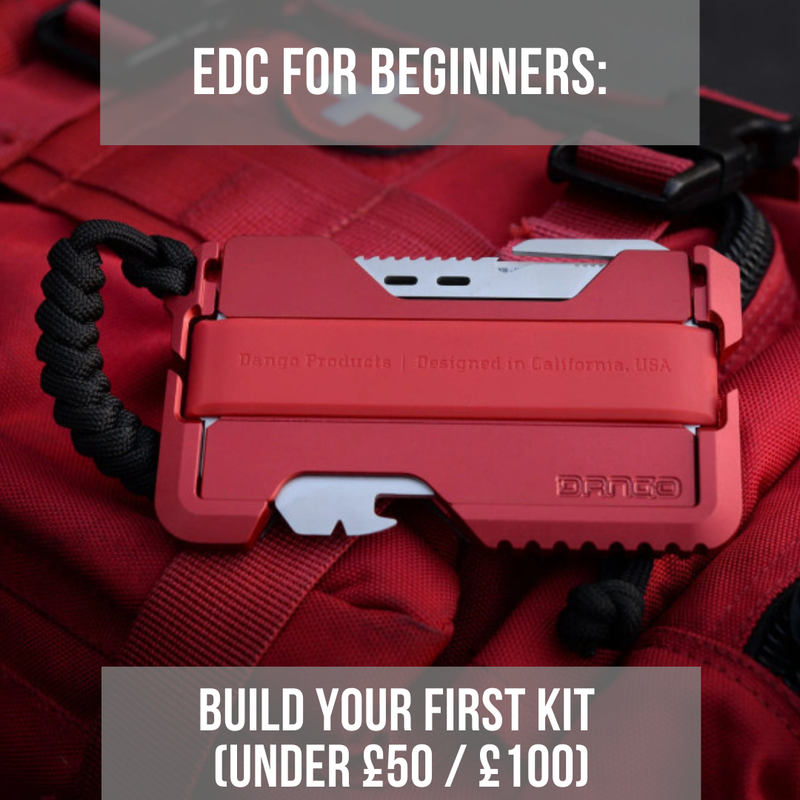
Traditional bifold wallets encourage carrying too much. Slim card holders from Trayvax or Dango force you to evaluate what you genuinely need each day. Many include money clips or small cash pockets. They dramatically reduce pocket bulk.
Alternative to Paper Notebooks: Reusable Options
If sustainability matters to you, reusable notebooks with wipeable pages offer an interesting option. These work particularly well for temporary notes and lists that don't need permanent records.
How Can You Identify Quality EDC Gear and Avoid Common Mistakes?
Learning to spot quality saves money and frustration. Here's what to look for.
| Green Flags | Red Flags |
|---|---|
| Specific steel grades named (8Cr13MoV, 440C) | Unknown brand with no warranty info |
| Established brand with a clear warranty | Vague descriptions like ‘stainless steel’ |
| Detailed specs, including weight and dimensions | Missing technical details |
| Reviews mentioning long-term use | Reviews only discuss first impressions |
| Spare parts and accessories available | No replacement parts offered |
| Country of manufacture clearly stated | Origin deliberately hidden |
| Strong customer service reputation | No contact info for support |
| Consistent pricing across reputable retailers | Prices are way below market norms |
| Quality control is evident in fit and finish | Rough edges or loose tolerances |
| Packaging includes care instructions | Minimal packaging with no documentation |
Mistakes to Avoid
Newcomers often fall into predictable traps. Buying too much too quickly leads to unused gear gathering dust. Prioritising features over portability means tools get left at home. Choosing based on looks rather than function brings disappointment. Ignoring UK law on blade carry creates legal risk. And dismissing established brands for cheaper alternatives usually costs more in replacements over time.
Build Gradually
Resist the urge to buy everything at once. Start with a quality multi-tool or pocket knife. Carry it daily for a month. Notice what tasks you can't accomplish. Notice what you wish you had. Let real experience guide your next purchase rather than imagined needs or recommendations from people with completely different lives.
The most effective EDC kit? It's the one you actually carry. A single well-chosen tool in your pocket beats an impressive collection in your drawer - every time.
Your journey into everyday carry is more than gear buying. It's about practical preparedness and thoughtful self-reliance. We've spent three decades at Heinnie Haynes helping customers find tools that genuinely serve their needs rather than simply filling their pockets. Whether you're building your first kit on a tight budget or upgrading existing gear, we're here to give you honest guidance based on real experience. Get in touch with our team for personalised recommendations. Or explore our curated collections to discover tools built for the challenges you actually face.
Why not check out our other great blogs For Gear Recommendations And Outdoor Survival Tips