The Ultimate Survival, Bushcraft, and Knife Guide: Part 5 – Advanced Bushcraft Techniques | Reddit Answered
Posted by Heinnie Haynes on 4th Apr 2025
Key Takeaways:
- Smoking and salt curing are the most effective methods for preserving meat without refrigeration in wilderness conditions.
- Natural materials from the wilderness can be crafted into functional tools including blades, handles and cordage.
- Natural dyes and paints can be created from berries, bark, leaves and other wild materials for practical applications.
- Long-term wilderness shelters require proper site selection, sturdy construction and thermal insulation for multi-season use.
- Natural containers and pottery can be made from clay, bark or hollowed wood for storing water, food and tools.
- Tree resin and animal hide create effective natural adhesives for tool binding and equipment repairs.
- Wild edibles like nuts, berries, roots and greens can be foraged and preserved through drying and proper storage.
- Self-sufficiency skills encompass food production, water sourcing, tool manufacturing, medical knowledge and mental resilience.
Welcome to the final instalment of Heinnie Haynes' ultimate guide to survival, bushcraft and outdoor skills. Let's delve straight into the questions asked by the Reddit community, and advise on advanced bushcraft techniques - the wilderness survival techniques and primitive skills that transform basic bushcraft into long-term wilderness living and wild camping expertise.
These methods require patience, practice and an understanding of the natural environment, but mastering them will take your bushcraft skills for beginners to expert-level heights. From preserving food without refrigeration to crafting tools from natural materials using outdoor survival gear, these advanced techniques will tell you not only how to survive, but truly thrive in the wild through wilderness self-reliance.
What Are the Best Methods for Preserving Meat Without Refrigeration in the Wilderness?
Long-term wilderness living requires methods for preserving food without modern conveniences. Smoking is one of the most effective survival food preservation techniques, where low heat and smoke from a fire dry the meat and add flavour. The smoke contains compounds that inhibit bacterial growth, while the heat removes moisture that bacteria need to multiply.
Another method is salt curing, where salt draws moisture out of the meat, preventing bacterial growth. The high salt concentration creates an environment where most harmful bacteria cannot survive. For portability, prepare jerky by slicing meat thinly, salting it and drying it over a fire or in the sun.
If conditions are suitable, air drying or using an underground storage pit insulated with natural materials can also keep food safe for days or weeks. Underground storage works best in cold climates where ground temperature remains consistently cool. The earth provides natural insulation and protection from temperature fluctuations.
Traditional methods such as pemmican combine dried meat with rendered fat, creating a highly nutritious food that stores for months or even years. Indigenous peoples across North America relied on this technique for long journeys and winter survival.
Meat Preservation Methods Comparison
| Preservation Method | Typical Duration | Best For | Key Requirements |
|---|---|---|---|
| Smoking (overnight) | Approximately 1 week | Quick preservation | Steady fire, appropriate wood |
| Smoking (2 days continuous) | 2-4 weeks | Medium-term storage | Low heat, hardwood smoke |
| Salt Curing | 1-3 months | Long-term storage | Adequate salt, proper drying |
| Jerky (properly dried) | 1-2 months | Portability, lightweight travel | Thin slices, thorough drying |
| Underground Pit | Several days | Cold climates | Cool ground temperature |
| Pemmican (properly prepared) | 6-12+ months | Extended wilderness journeys | Rendered fat, thoroughly dried meat |
How Do You Craft Essential Bushcraft Tools from Natural Materials in the Wild?

The wilderness is full of materials for crafting tools. Wood carving can produce handles for knives, axes, spoons and bowls. Stone and bone can be shaped into blades, scrapers or points for hunting. Cordage made from plant fibres or animal sinew can bind parts together.
For cutting tools, look for sharp-edged stones or create your own by knapping flint. Handles can be crafted from hardwoods, while tree resin or natural glue secures the blade. Patience and precision are key to producing effective tools.
A quality bushcraft knife serves as your primary tool for processing materials and shaping components. The right blade makes carving, splitting and detailed work far more efficient. Select knives with full tang construction and appropriate blade geometry for extended wilderness work.
Observe how indigenous peoples crafted tools from available materials. Their techniques evolved over millennia and represent proven solutions to wilderness challenges. Study these methods and adapt them to your environment and available resources.




What Natural Materials Can Be Used to Make Wilderness Dyes and Paints?
Creating natural dyes and paints can be a valuable skill for camouflage, signalling or simply personalising your gear during long-term camping expeditions. Many plants and natural materials provide colour. For example, berries can produce reds and purples, while bark and leaves offer browns and greens.
To make a dye, boil the materials in water to extract the pigment, then soak fabric or fibres in the solution. For paints, mix pigments with a natural binder such as tree sap, clay or animal fat. These natural creations connect you to the environment and can have practical uses beyond their aesthetics.
Charcoal from your fire creates deep blacks and greys. Yellow ochre clay produces warm earth tones. Experiment with different plant materials in your region to discover what colours they yield, keeping note of successful combinations and techniques.
Mordants help set dyes and make colours more permanent. Wood ash water or tannic acid from oak bark work as natural mordants. By understanding this chemistry, your results are significantly improved.
How Do You Build a Durable Long-Term Wilderness Shelter for Extended Survival?

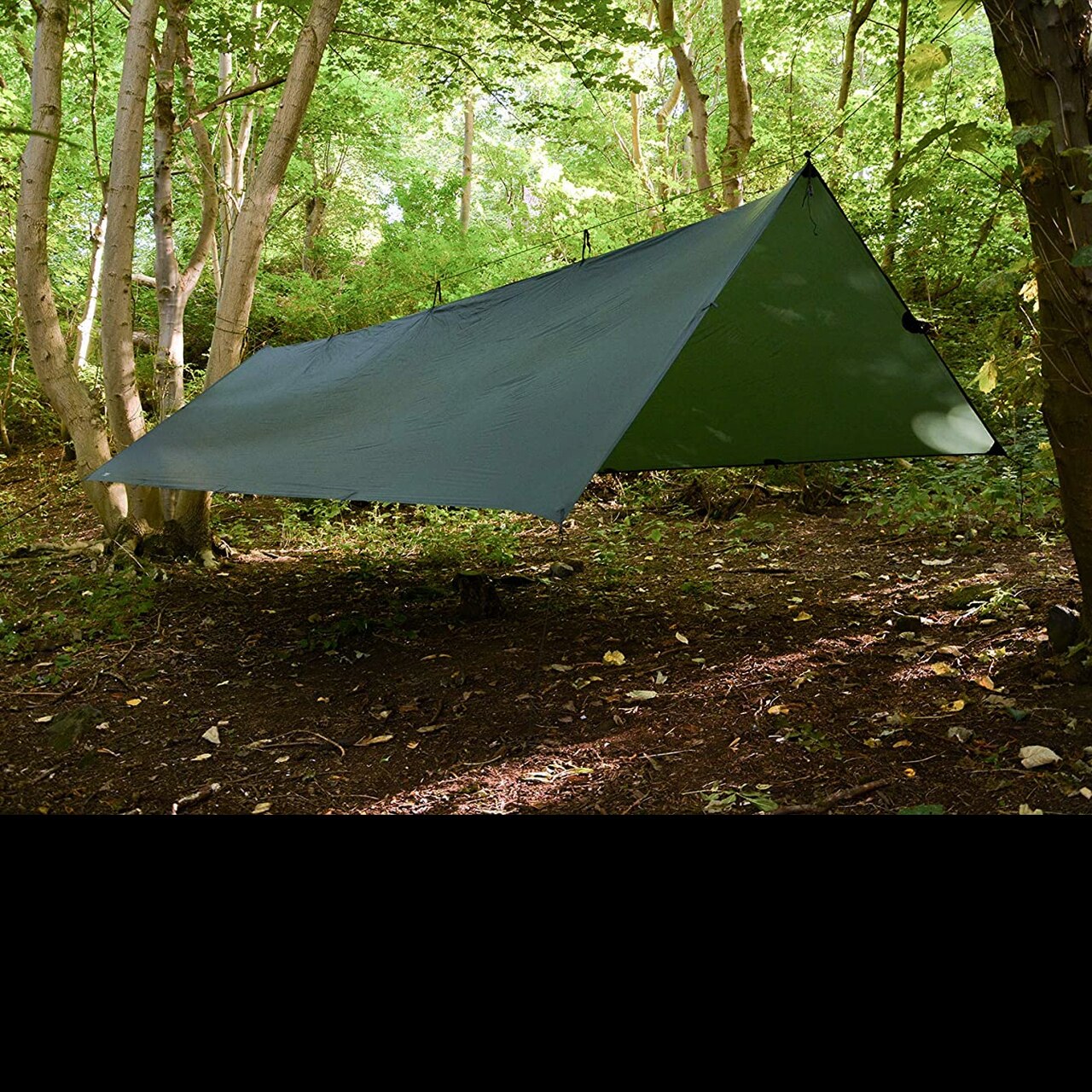
A durable and weather-resistant shelter is essential for extended stays in the wild and successful wild camping UK experiences. A strong foundation is achieved by choosing a flat, elevated site that is safe from flooding and wind exposure. Use sturdy poles and natural materials to create walls and roofing, such as bark, leaves or thatch.
Keep warmth in by adding thermal insulation using layers of moss, grass or debris. Design the shelter for multi-season adaptability by incorporating features like a ventilation hole for fires or a sloped roof to shed rain. Take the time to build structural stability; it is worth the effort for long-term comfort.
Consider a semi-permanent shelter with a raised sleeping platform to keep you off cold ground. A proper debris bed requires substantial material, at least 30 centimetres of compressed dry leaves or grass beneath you. This insulation is critical for cold-weather survival.
Waterproofing requires overlapping layers that shed water like roof tiles. Start at the bottom and work upward so each layer overlaps the one below. This prevents water from penetrating between layers. Test your shelter during light rain before committing to overnight stays.


What Are the Traditional Methods for Making Natural Containers and Wilderness Pottery?
Containers are crucial for storing water, food and tools in wilderness self-reliance situations. If you are near a clay-rich area, collect clay and remove impurities by allowing it to settle in water. Use the coil method to shape the clay into bowls or jars, smoothing the surface as you go.
Once shaped, fire the clay in a pit kiln using a bed of hot coals. Gradually heat the pottery to harden it and make it watertight. Alternatively, use large leaves, bark or hollowed-out wood as improvised containers.
Hold water effectively by using birch bark containers when properly constructed with folded edges and pine pitch seals. These traditional containers served countless generations before pottery became widespread.
Learning to identify and process birch bark adds valuable primitive skills to your wilderness toolkit.
Gourds, when dried properly, create excellent storage vessels. If you find wild gourds, clean them thoroughly and allow them to dry completely. The hard shell that results is lightweight, durable and naturally waterproof.
How Do You Create Strong Natural Adhesives from Tree Resin and Animal Hide?
Natural adhesives are invaluable for binding tools, repairing gear or sealing containers. Tree resin is a common choice - heat it to liquefy, then mix it with powdered charcoal or plant fibres to create a stronger bond. Animal hide glue can be made by boiling hide scraps or sinew until they form a sticky substance.
These versatile adhesives can be used for tasks ranging from fletching arrows to waterproofing seams. Always test your adhesive on a small project to refine its strength and consistency. Pine pitch works brilliantly for waterproofing and repairs when properly processed.
The ratio of resin to filler material affects adhesive properties:
- More charcoal creates a harder, more brittle adhesive suitable for permanent bonds
- More fibre creates flexibility for items that need to bend without breaking
Fish glue makes a strong adhesive from the skin and bones of fish. This traditional glue requires careful preparation but produces excellent results for binding and repairs.
What Are the Best Techniques for Foraging and Preserving Wild Edibles for Long-Term Storage?

Foraging for food is an art and a science in wilderness survival techniques. Focus on nutrient-dense and abundant foods, such as nuts, berries, roots and leafy greens. Preserve your foraged finds by drying or storing them in a cool, dry place. Berries can be mashed and dried into fruit leather, while nuts and seeds store well in their shells.
Store food in improvised containers such as woven baskets, clay pots or bark pouches. Label or separate items to avoid confusion and ensure a balanced, sustainable food supply. Rotate your stores regularly to use older items first and prevent spoilage.
Learn the seasonal availability of edibles in your area, and harvest foods at peak nutrition and abundance with this knowledge. Understanding plant cycles prevents over-harvesting and ensures resources remain available for future seasons.
Fermentation preserves certain foods while adding beneficial probiotics. Wild vegetables can be fermented in brine made from salt water. This traditional preservation method extends food availability through the winter months.
What Self-Sufficiency Skills Are Essential for Long-Term Wilderness Survival?
Self-sufficiency is about cultivating a wide range of bushcraft skills for beginners and adapting to your environment. Focus on mastering these essential areas.
Food production:
Growing small crops or raising small animals in semi-permanent wilderness settings using proven techniques
Water sourcing:
Creating rain catchment systems or improving natural filtration methods for reliable hydration
Tool manufacturing:
Learning to craft and maintain all your essentials from natural materials using outdoor survival gear and bushcraft knife uses
Medical knowledge:
Recognising medicinal plants or improvising treatments for common wilderness injuries
Mental resilience:
Developing patience, problem-solving and the ability to stay calm under pressure during extended isolation
Continuous learning is key. Practise these skills often and build on your knowledge with each outing. Document what works and what fails. This record becomes invaluable reference material for refining techniques.
Observe natural patterns and cycles. Understanding how weather changes, where animals travel and how plants grow informs better decisions about camp placement, hunting and foraging. Nature provides constant lessons for those who pay attention.
Advanced bushcraft techniques are the pinnacle of wilderness survival, transforming the outdoors into a space where you can not only survive but thrive. These skills take time and dedication to master, but the rewards are immense: a deeper connection to nature and a profound sense of self-reliance.
With this final instalment, our series draws to a close. Whether you are a novice adventurer or a seasoned bushcrafter, Heinnie Haynes is here to provide the tools, gear and guidance you need. Explore our extensive range of products and take the first step toward your next great adventure.
Frequently Asked Questions (FAQs)
What is the most effective method for preserving meat in the wilderness?
How long does it take to master advanced bushcraft techniques?
Can natural adhesives match the strength of modern glues?
What wild edibles provide the best nutrition for long-term wilderness living?
Is it legal to build long-term shelters on UK public land?
Why not check out our other great blogs For Gear Recommendations And Outdoor Survival Tips