The Ultimate Survival, Bushcraft, and Knife Guide: Part 4 – Essential Survival Skills: Reddit Answered
Posted by Heinnie Haynes on 21st Mar 2025
Key Takeaways:
- Master fundamental survival skills, including fire creation, water purification, shelter building, navigation and first aid.
- Navigate without electronic devices using natural indicators like the sun, North Star and the shadow stick method.
- Find and purify wild water through boiling, filtration systems or chemical treatments to ensure safe drinking.
- Build fires in wet conditions using protected tinder, elevated platforms and windbreaks.
- Identify edible plants cautiously and avoid the Universal Edibility Test except as a last resort.
- Construct natural shelters like lean-tos and debris huts with proper insulation and waterproofing.
- Apply critical first aid skills for wounds, hypothermia, fractures, CPR and shock management.
- Handle wildlife encounters by making noise, backing away slowly and never running from predators.
Welcome to Part 4 of Heinnie Haynes' ultimate guide to survival, bushcraft and outdoor mastery. In this instalment, we answer questions about survival asked by the Reddit community.
Discover essential tips as we focus on the skills that every adventurer, survivalist and bushcrafter should master. Gear and tools are invaluable, but it is the knowledge you carry in your mind that truly defines your ability to adapt and overcome in the wilderness. From building a fire in adverse conditions to navigating without a compass, these fundamental survival skills will ensure you can handle the unexpected and thrive in any outdoor environment.
What are the fundamental survival skills everyone should learn?
Survival hinges on the mastery of a few core skills that meet your most basic needs of shelter, water, fire and food.
| Survival Skill | Primary Purpose | Why It's Essential |
|---|---|---|
| Fire Creation | Warmth, cooking, signalling | Provides heat, purifies water and signals rescuers |
| Water Purification | Safe drinking water | Prevents waterborne illness and dehydration |
| Shelter Building | Protection from elements | Prevents hypothermia and provides rest |
| Navigation | Finding direction | Enables route-finding and prevents getting lost |
| First Aid | Injury management | Treats wounds and prevents medical emergencies from worsening |
| Risk Assessment | Hazard avoidance | Ensures sound decision-making in high-pressure situations |
These include:
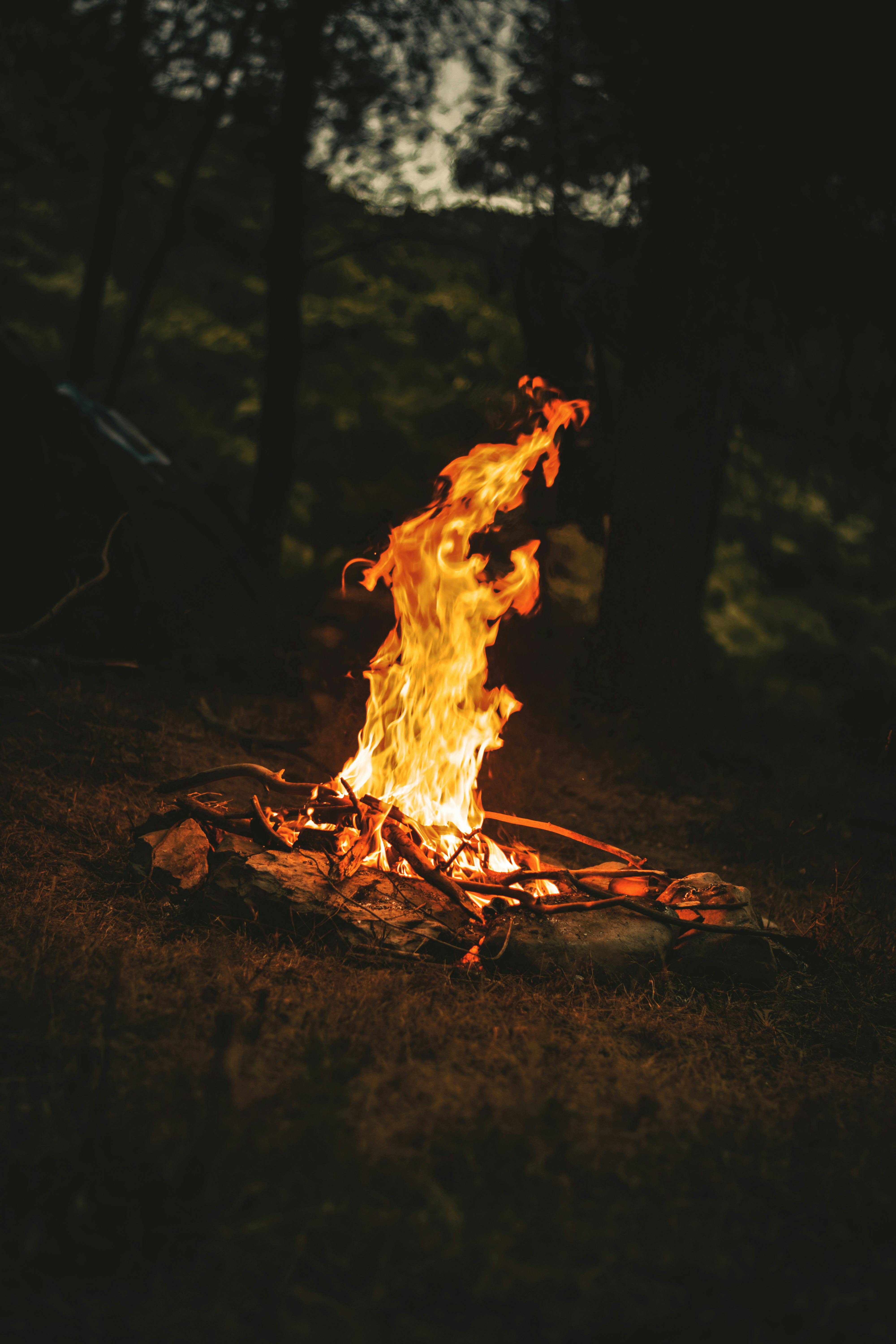
- Fire creation, which provides warmth, cooking capabilities and a means to signal for help.
- Water procurement and purification ensure access to safe drinking water in any environment.
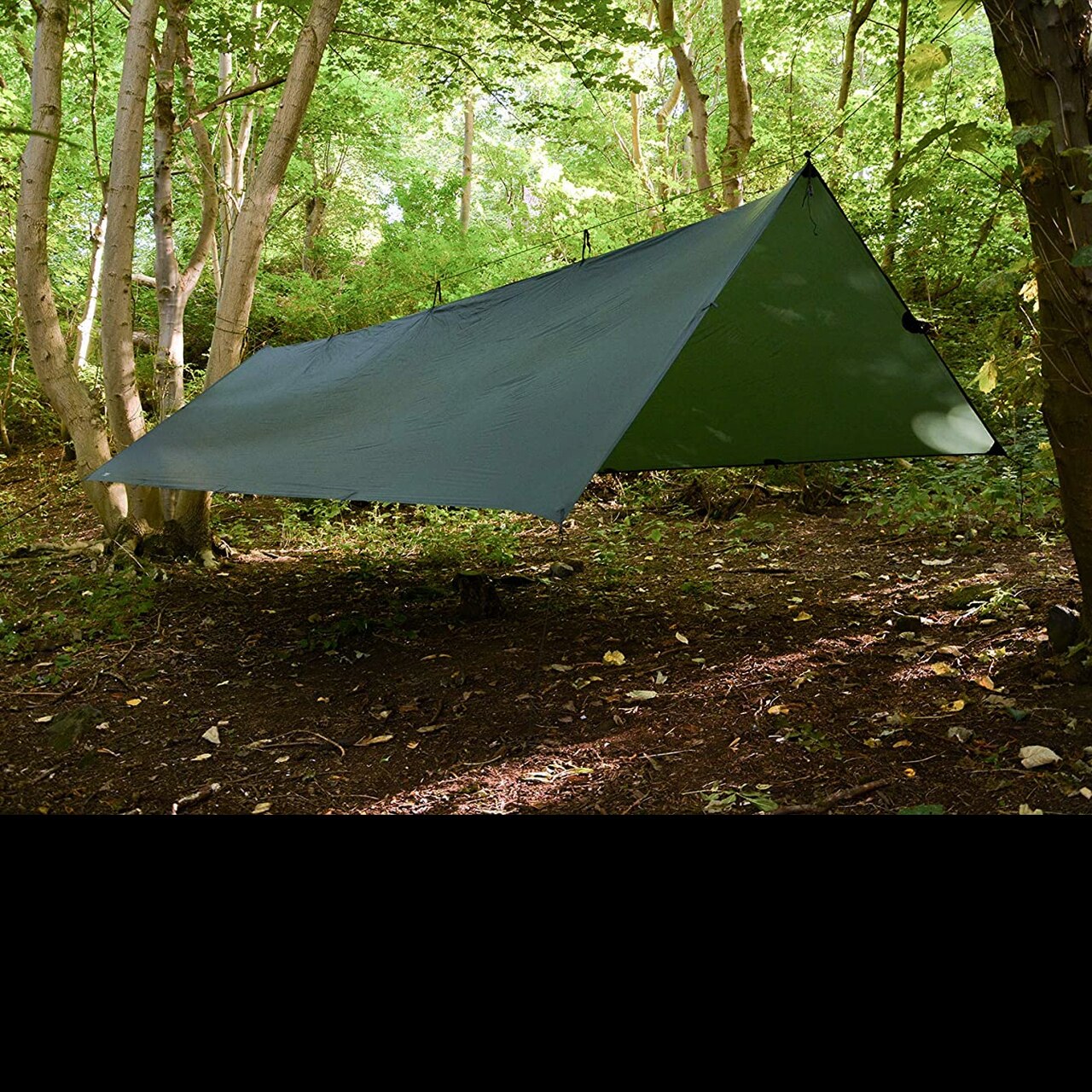
- Shelter building offers protection from the elements and a place to rest.
- Navigation enables you to find your way or retrace your steps.
- First aid is critical for managing injuries and illnesses in remote areas.
It is essential to do risk assessments to help ensure you avoid hazards and enable you to make sound decisions in high-pressure situations.
Practising these skills regularly will make them second nature, ensuring you are ready when it matters most. The difference between knowing these skills theoretically and executing them under stress is vast. Regular practice builds the muscle memory and confidence needed when emergencies arise.


How can you navigate without electronic devices?

Navigation without a GPS or compass may seem daunting, but nature provides plenty of clues to help you find your way. During the day, in the northern hemisphere, use the position of the sun, which rises in the east and sets in the west. At night, locate the North Star, which aligns closely with true north.
Other techniques include using the shadow stick method, where the movement of shadows can indicate direction. Combine these techniques with landmark tracking, such as noting distinctive trees, rocks or river bends, to navigate with confidence.
The shadow stick method works by placing a stick upright in the ground, marking where the shadow tip falls, waiting 15 to 20 minutes, then marking the new shadow tip position, a line drawn between these two points runs roughly east to west. This technique works anywhere the sun casts shadows and requires no equipment beyond a stick.
What are the best ways to find and purify water in the wild?
Water is essential for survival, and finding a reliable source is your top priority. Look for flowing water, such as streams or rivers, or collect morning dew using absorbent cloths. Cacti and other plants can also provide small amounts of water in arid environments. Following animal tracks often leads to water sources, as wildlife requires regular access to drinking water.
Purify any collected water to avoid illness. The most reliable method is boiling, which kills bacteria and viruses. If you can not boil water, use a portable filtration system, chemical treatments, or even the sun's UV rays to disinfect it. When all else fails, improvise a natural filter using sand, charcoal and cloth.
Water from fast-moving streams is generally safer than stagnant pools, but all wild water should be treated as potentially contaminated. Even clear, cold mountain streams can harbour parasites like Giardia that cause severe illness. Never gamble with water safety when purification methods are available.
How do you build a fire in wet or rainy conditions?
Building a fire in damp conditions requires extra preparation and patience. Begin by protecting your tinder from moisture. Dry inner bark, pine needles or feather sticks carved from wet wood are excellent options. To create a spark, use a ferro rod or waterproof matches, which are reliable even in poor weather.
| Fire-Starting Method | Reliability in Wet Conditions | Skill Level Required |
|---|---|---|
| Ferro Rod | Excellent - works when wet | Beginner-Intermediate |
| Waterproof Matches | Very Good - purpose-built | Beginner |
| Flint and Steel | Good - reliable but slower | Intermediate |
| Friction Methods | Poor - very difficult when wet | Advanced |
| Feather Sticks | Excellent - dry wood inside | Intermediate |
Construct an elevated fire platform using dry wood to prevent the flame from being extinguished by wet ground. Arrange your kindling and small sticks in a pyramid or teepee structure, gradually adding larger logs as the fire grows. Always shield your fire with a windbreak to prevent it from being snuffed out.
Dead standing wood remains drier than fallen timber, even in sustained rain. The outer bark absorbs moisture, but the inner wood stays relatively dry. Strip away the wet exterior to access usable materials. Birch bark, an invaluable fire-starting material, contains natural oils that ignite even when damp.
How can you identify edible plants and avoid poisonous ones?

Foraging for wild edibles requires knowledge and caution. Learn to identify common, safe-to-eat plants in your area and always verify them using multiple sources. Avoid plants with unfamiliar features, as many poisonous varieties can look deceivingly similar to those that are safe.
The Universal Edibility Test involves testing a plant's edibility in small stages by starting with rubbing it on your skin, lips, and finally taking a small taste while waiting several hours for any reaction. However, we do not endorse this method, and it should be a last resort. Prior knowledge is always safer.
Certain plant families contain predominantly poisonous species and should be avoided unless you have expert identification skills. These include plants with milky sap, umbrella-shaped flower clusters, or beans and bulbs in the wild. When in doubt, do not eat it. Starvation takes weeks to months, but poisoning can kill within hours.
How can you build a shelter using only natural materials?

In survival situations, shelter is essential for protecting yourself from the elements. Begin by choosing a safe location, preferably flat, dry and shielded from wind. Construct your shelter using natural materials such as branches, leaves and moss.
Common designs include lean-to shelters, which use a simple framework of poles against a sturdy base, and debris huts, which provide excellent insulation by layering leaves and foliage. For wetter environments, create a waterproof roof by overlapping large leaves or adding a tarp.
Insulation is critical for warmth. A proper debris hut requires a layer of leaves and forest litter at least 60 centimetres thick on all sides to provide adequate insulation.
Many people underestimate the volume of material needed. What looks substantial often compresses to minimal insulation once you settle into the shelter.
Location matters as much as construction. Avoid low-lying areas where cold air settles and water collects. Position your shelter opening away from prevailing winds. Check overhead for dead branches that could fall, particularly in high winds or snow.
What first aid skills are critical for survival?

Basic first aid knowledge can make the difference between life and death in the wilderness. Learn to treat wounds and infections using clean water, antiseptics and bandages. Recognise and manage hypothermia, including warming techniques and insulation.
Handle fractures and sprains with improvised splints or supports. Perform CPR and manage airway blockages. Prevent and treat shock by ensuring the individual is kept warm and calm.
Carrying a well-stocked first aid kit and understanding how to use its contents are vital for effective treatment. Knowing what you have and how to use it before an emergency occurs saves precious time when seconds matter.
Common wilderness injuries include cuts, burns, sprains and fractures. Blisters may seem minor, but can become debilitating if infected or allowed to worsen. Address them immediately with proper padding and protection. Tick bites require careful removal and monitoring for signs of infection or disease.
How should you handle encounters with wildlife?
Encountering wildlife is a natural part of spending time outdoors, but knowing how to react can keep you safe. Most animals will avoid humans if given the chance, so make your presence known by making noise as you move through their habitat. Talking, singing or wearing bells alerts animals to your presence before surprise encounters occur.
If you encounter potentially dangerous wildlife, assess the situation calmly. For predators like bears or wolves, avoid direct eye contact and back away slowly. Never run, as this can trigger a chase response. Make yourself appear larger by raising your arms or opening your jacket.
Different animals require different responses. With bears, the appropriate reaction depends on the species. Black bears often respond to aggressive defence, while grizzly bears may require playing dead during an attack. Research the wildlife in your area before venturing into their territory.
Proper food storage prevents most wildlife encounters. Never store food in your sleeping area. Use bear canisters or hang food in trees where required. Clean cooking areas thoroughly and dispose of waste properly. Prevention is far easier than managing a wildlife encounter.
Survival skills are about preparation, practice, and the confidence to adapt to challenging environments. Here, we have just touched the surface, and there is much more to learn. From fire-starting techniques to water purification, the knowledge you carry with you can mean the difference between survival and succumbing to the elements.
In Part 5 of this series, we dive into advanced bushcraft techniques, exploring how to elevate your wilderness skills to the next level. Until then, trust Heinnie Haynes to equip you with the tools and resources you need to thrive in any outdoor adventure.
Frequently Asked Questions (FAQs)
What is the most important bushcraft skill to learn first?
How long does it take to become proficient in basic bushcraft skills?
Do I need expensive equipment to learn bushcraft skills?
Can I practice bushcraft skills in UK parks and forests?
What safety equipment should I always carry for bushcraft practice?
Why not check out our other great blogs For Gear Recommendations And Outdoor Survival Tips