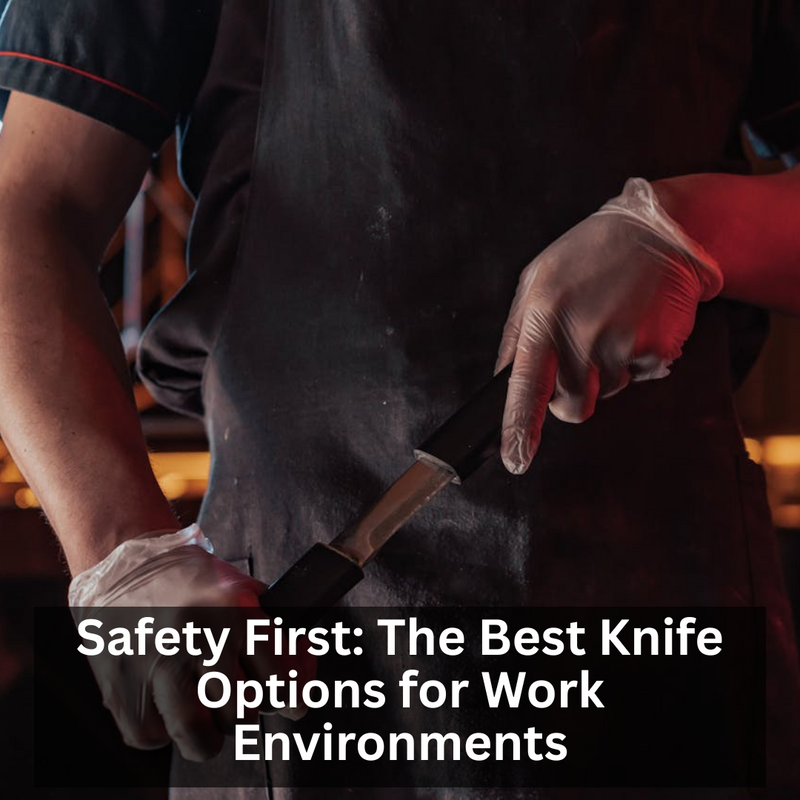
Safety First: The Best Knife Options for Work Environments
Posted by Heinnie Haynes on 19th Sep 2025
Choosing the right knife for your workplace isn't just about cutting performance. You need tools that balance functionality with safety protocols, meet health and safety requirements and stand up to daily professional use. Whether you work in packaging, maintenance or field operations, the wrong blade choice can create hazards that put you and your colleagues at risk.

What makes a knife suitable for professional use?
Professional knives must meet stricter criteria than personal carry options. You need blades that lock securely, handles that won't slip when wet and designs that minimise accidental opening. Fixed blade options often work best for heavy-duty tasks, but many workplaces require folding designs for safety reasons.
The Victorinox Alox Refined Synergy X exemplifies workplace-ready design. Its reliable locking mechanism prevents accidental closure, and the ergonomic handle provides a secure grip even with gloves.
Which folding knife designs work best in work settings?
Slip joint knives offer excellent safety features for many professional environments. Without a locking mechanism, they're less likely to cause severe cuts if they close accidentally. The Notorious EDC Kingpin Slipjoint features a strong back spring that holds the blade open during use but allows controlled closure under pressure.
Traditional patterns like the Wheat State Cutlery Peacemaker provide time-tested reliability. These designs have served workers for generations because they balance cutting ability with user safety.
How do material choices affect workplace safety?
Handle materials significantly impact workplace safety. Smooth materials become slippery when exposed to oils, water or other workplace substances. The QSP Jumping Jack Desert Ironwood features natural wood scales that provide excellent grip even when damp.
Non-porous materials work better in environments where cleanliness matters. The Real Steel Barlow RB-3 uses modern handle materials that resist contamination and clean easily.
What blade lengths suit different work environments?
Blade length affects both functionality and safety regulations. Many workplaces limit carry knives to specific lengths, often 3 inches or less. The Arthur Wright Sheepsfoot Walnut offers an ideal compromise with its practical length and safe blade shape.
Sheepsfoot blade profiles reduce puncture risks compared to pointed designs. The straight cutting edge handles most workplace tasks and the blunt tip prevents accidental penetration of materials or surfaces.
Which brands offer the best workplace reliability?
Established manufacturers like Victorinox build knives specifically for professional use. Their designs undergo rigorous testing and meet international safety standards. Rosecraft knives combine traditional craftsmanship with modern materials, creating tools that perform reliably in demanding environments.
QSP produces affordable options without compromising safety features. Their Jumping Jack series offers various handle materials to suit workplace requirements while maintaining consistent quality standards.
How should you carry workplace knives safely?

Proper carry methods prevent accidents and comply with workplace policies. Pocket clips position knives consistently and allow quick, controlled access. The Rosecraft Elk River Easy Open Jack features a practical clip design that keeps the knife secure during movement.
Belt sheaths work well for larger knives or when pocket carry isn't suitable. Always check your workplace's specific policies regarding knife carry methods and blade restrictions.
Heinnie Haynes stocks a wide range of workplace-suitable knives that meet professional standards. Our selection includes options for every work environment, from light-duty office tasks to heavy industrial use.
Your workplace knife choice directly affects your safety and productivity. Assess your specific needs, check workplace policies and choose tools that prioritise safety without losing performance. The right knife becomes an extension of your hand, helping you work more efficiently and protecting you from preventable injuries.
Frequently Asked Questions (FAQs)
What's the safest blade shape for workplace use?
Sheepsfoot blades offer the best safety profile because they lack sharp points that could cause puncture injuries and maintain excellent cutting performance.
Can I carry a locking knife at work?
This depends on your workplace policies and local regulations. Many workplaces prefer slip joint designs for safety reasons, but some environments require the security of locking mechanisms.
How often should I replace my work knife?
Replace your knife when the blade becomes dull beyond effective sharpening, the locking mechanism fails or the handle shows signs of wear that could affect grip safety.
What's the difference between work knives and everyday carry knives?
Work knives prioritise safety features, durability under heavy use and compliance with workplace regulations over aesthetic appeal or compact size.
Why not check out our other great blogs For Gear Recommendations And Outdoor Survival Tips