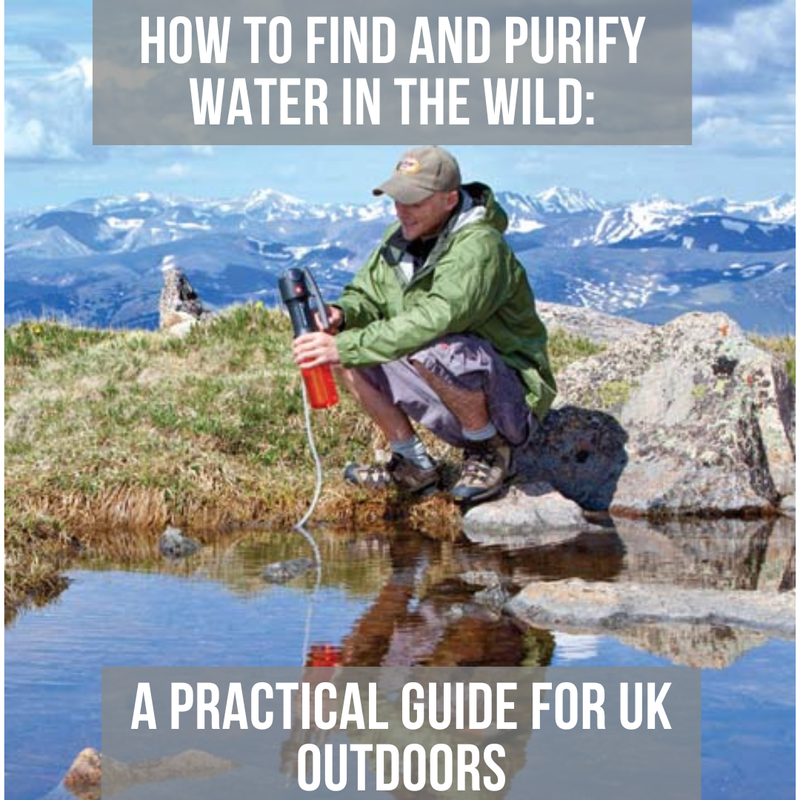
How to Find and Purify Water in the Wild: A Practical Guide for UK Outdoors
Posted by Heinnie Haynes on 17th Feb 2026
Estimated reading time: 12 minutes
Water is the foundation of survival. The human body can endure weeks without food, but only days without adequate hydration. For anyone venturing into the British wilderness, understanding how to locate and purify water is not merely useful knowledge; it is an essential skill that could one day prove lifesaving. Whether you are wild camping in the Scottish Highlands, hiking through Snowdonia or navigating the remote moorlands of Dartmoor, reliable access to safe drinking water remains your most critical priority.
Since 1996, Heinnie Haynes has equipped outdoor enthusiasts with the survival gear they need to thrive in challenging environments. As an employee-owned company, we share the same passion for preparedness that drives our customers into the wild. This guide distils decades of practical knowledge into actionable steps you can apply to your next adventure.
Why Water Matters in Survival Situations
Dehydration compromises your body's ability to regulate temperature, make sound decisions and maintain physical endurance. Symptoms begin with thirst and fatigue, progressing rapidly to confusion, dizziness and eventually organ failure. In cold British weather, the risk of dehydration is often underestimated because you may not feel thirsty. However, your body still loses moisture through respiration and exertion, making regular hydration essential regardless of temperature.
Critical Point: Even mild dehydration of 2% body weight loss can significantly impair cognitive function, attention and physical performance.
The challenge in the wild is twofold. First, you must locate a water source. Second, you must render that water safe to drink. Natural water sources, even those appearing pristine, can harbour harmful bacteria, parasites and viruses that cause serious illness. Pathogens such as Giardia, Cryptosporidium and E. coli thrive in streams and lakes throughout the UK. Drinking untreated water is a gamble that seasoned outdoors people never take.
Step 1: Understand Where to Look for Water
Finding water requires observation, knowledge of terrain and an understanding of how water moves through landscapes. The UK's temperate climate means water is relatively abundant compared to arid regions, but knowing where to search remains vital.
Low Ground and Valleys
Water flows downhill. Valleys, gullies and the bases of slopes are natural collection points. Follow terrain features that channel water: ravines, dried stream beds and natural depressions often lead to active water sources.
Vegetation Indicators
Lush, green vegetation in an otherwise dry area signals underground water or nearby surface water. Willows, alders and reeds thrive near moisture. In upland areas, sphagnum moss indicates boggy ground where water can be collected.
Animal Trails
Wildlife requires water just as humans do. Animal trails often converge on water sources. Follow tracks leading downhill, particularly those showing frequent use.
Morning Dew Collection
In the absence of flowing water, morning dew provides a viable alternative. Drag an absorbent cloth through the grass before sunrise, then wring the moisture into a container. This method yields small quantities but can sustain you in emergencies.
Rainwater
The simplest water to collect and the safest to consume with minimal treatment. Use tarps, ponchos or natural catchments to gather rainfall. Rainwater collected directly is generally safe to drink without purification, though filtering through cloth removes debris.
Step 2: Assess Water Quality Before Collection
Not all water sources are equal. Before collecting water, evaluate the source to minimise contamination risk.
| Source Type | Risk Level | Considerations |
|---|---|---|
| Fast-flowing streams | Lower | Movement helps oxygenate and reduces bacterial growth |
| Still ponds and lakes | Higher | Stagnant water harbours more pathogens |
| Springs | Lowest | Water emerging from the ground is often the cleanest |
| Downstream of settlements | Very High | Agricultural and human contamination are likely |
| Bog water | Moderate | Discoloured but often low in bacteria; requires filtering |
Collect water from the cleanest available source. Moving water from springs and fast-flowing streams is preferable to stagnant pools. Avoid water downstream of agricultural land, near settlements or showing signs of contamination such as unusual colour, odour or surface film.
Step 3: Pre-Filter Cloudy or Debris-Laden Water
Before purification, remove visible particles that can harbour pathogens and reduce the effectiveness of purification methods.
Improvised Cloth Filter
Pour water through a clean cloth, bandana or t-shirt folded into multiple layers. This removes leaves, sediment and larger particles. Repeat several times if the water remains cloudy.
Natural Layered Filter
For heavily contaminated water, construct a filter using natural materials. Layer grass, sand, gravel and charcoal (from a fire) in a container with drainage holes. Pour water through slowly; this method removes particles and some impurities but does not eliminate pathogens.
Tip: Pre-filtering extends the lifespan of commercial water filters and improves the effectiveness of chemical treatments.
Step 4: Purify Water Using Proven Methods
Filtering removes particles, but purification eliminates the microscopic pathogens that cause illness. Several methods are effective, each with advantages depending on your circumstances and equipment.
Method 1: Boiling
Boiling is the oldest and most reliable purification method. Heat kills bacteria, viruses and parasites without requiring specialised equipment.
How to Boil Water Effectively:
1. Bring water to a rolling boil
2. Maintain the boil for one minute at sea level
3. At altitudes above 2,000 metres, boil for three minutes
4. Allow water to cool before drinking
Boiling requires fire, fuel and a metal container. The Vargo Titanium BOT serves as both a water bottle and a cooking pot, making it ideal for this purpose. A reliable fire starter ensures you can always generate heat, even in wet conditions.
Method 2: Portable Water Filters
Modern portable filters use hollow fibre membrane technology to physically remove pathogens. They work immediately, require no waiting time and process large volumes efficiently.
The LifeStraw Peak Series Personal Water Filter removes 99.999999% of bacteria and 99.999% of parasites through its 0.2 micron membrane. With a capacity of 4,000 litres, a single unit provides years of reliable service. For those preferring a different aesthetic, the Membrane Solutions Water Filter Straw offers comparable performance at 1,500 litres capacity.
Advantages of Portable Filters:
- Instant clean water with no waiting
- No fuel or heat source required
- Compact and lightweight
- Long service life
Limitations:
- Most filters do not remove viruses (rarely a concern in the UK wilderness)
- Require clear water for optimal flow rate
- Membrane can freeze in sub-zero temperatures
Method 3: Chemical Treatment
Chemical purification tablets offer a lightweight, reliable backup when filters fail or fires prove impossible.
Katadyn Micropur Forte Water Treatment Tablets use chlorine dioxide to neutralise bacteria, viruses and Giardia. Each tablet treats one litre of water. Contact time is 30 minutes for bacteria and viruses, extending to two hours for complete Giardia elimination. The tablets remain effective for five years when stored properly, making them ideal for emergency kits.
Important: Chemical treatments work best in clear water. Pre-filter cloudy water before adding tablets to ensure effectiveness.
Method 4: UV Purification
Ultraviolet light damages pathogen DNA, rendering it harmless. Portable UV devices work within seconds but require battery power and clear water.
SODIS Method (Solar Water Disinfection)
For those without UV devices, the sun provides free purification. Fill transparent PET bottles with clear water, shake vigorously, then expose them to direct sunlight for six hours on sunny days or two days during cloudy conditions.
Step 5: Store Water Safely
Purified water can become recontaminated through improper storage. Use clean containers with secure lids. Avoid touching the rim or interior of bottles. In camp, store water away from cooking areas and potential contamination sources.
For extended trips, consider carrying additional water purification equipment as backup. Redundancy is a fundamental principle of wilderness preparedness.
Common Mistakes to Avoid
Assuming Clear Water is Safe
Crystal-clear mountain streams can harbour invisible pathogens. Always purify water regardless of appearance.
Forgetting Hydration in Cold Weather
Cold air is dry air, and your body loses moisture constantly. Drink regularly even when you do not feel thirsty.
Relying on a Single Method
Filters can break, tablets can run out, and wet conditions can prevent fires. Carry multiple purification options in your survival kit.
Drinking Too Much Too Fast
After dehydration, rehydrate gradually. Drinking large volumes rapidly can cause nausea and impair electrolyte balance.
Neglecting Equipment Maintenance
Filters require cleaning and proper storage. Follow manufacturer guidelines to maintain effectiveness.

Building Your Water Purification Kit
A well-prepared kit combines multiple methods for redundancy:
- Primary filter (LifeStraw or similar)
- Chemical treatment tablets (50-100 minimum)
- Metal container for boiling (see our cookware section)
- Fire starting equipment
- Cloth for pre-filtering
- Collapsible water storage
Store your purification kit in an accessible location within your backpack. Water needs arise frequently; fumbling through gear wastes time and energy.
For personalised advice on assembling the ideal water purification setup for your specific adventures, book a free consultation through Heinnie Kit Assist. Our team can help match equipment to your experience level and intended activities.
Frequently Asked Questions
How long can you survive without water in wilderness conditions?
Are UK streams and rivers safe to drink without treatment?
What is the most reliable water purification method?
How much water should you drink daily in the wilderness?
Can you drink rainwater without purification?
Disclaimer
This guide is intended for general educational purposes only. The information provided represents practical advice based on established wilderness survival techniques and should not be considered a substitute for professional outdoor training or instruction. Wilderness activities carry inherent risks. Waterborne illness can cause serious health complications requiring medical attention. Weather conditions, terrain, individual fitness levels and experience all affect safety in the field. Readers are responsible for assessing their own capabilities and the conditions they encounter before attempting any techniques described in this guide. Always inform someone of your plans before heading into remote areas. Check local conditions, carry appropriate emergency equipment and know your limits. If you become ill after consuming wild water, seek medical attention immediately. Heinnie Haynes provides this content to support the outdoor community but accepts no liability for accidents, injuries, illness or losses arising from the application of techniques described.
Customer Reviews
Blogs & Guides


Why not check out our other great blogs For Gear Recommendations And Outdoor Survival Tips