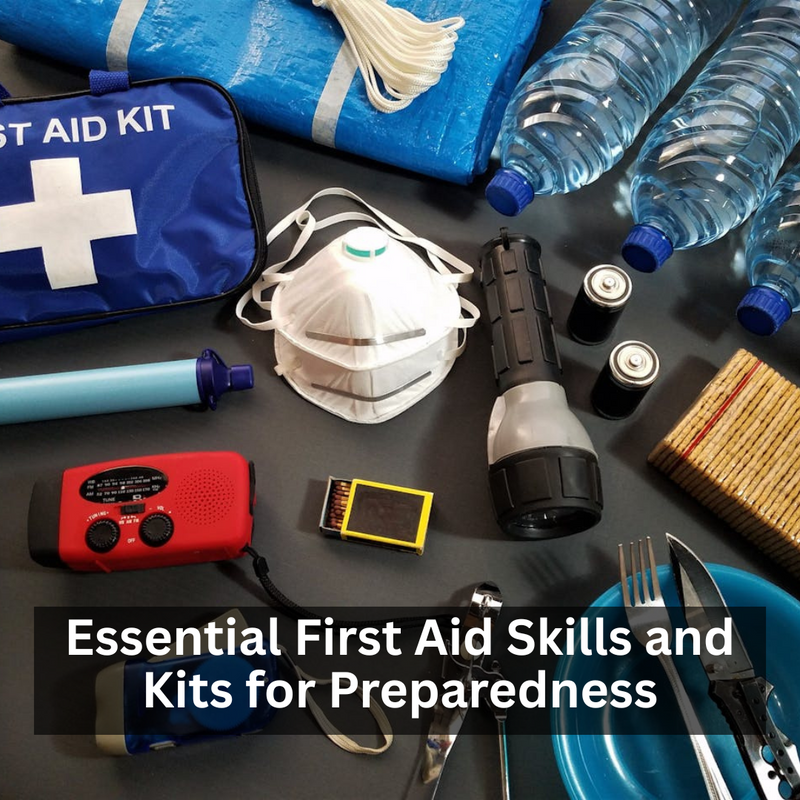
Essential First Aid Skills and Kits for Preparedness
Posted by Heinnie Haynes on 18th Aug 2025
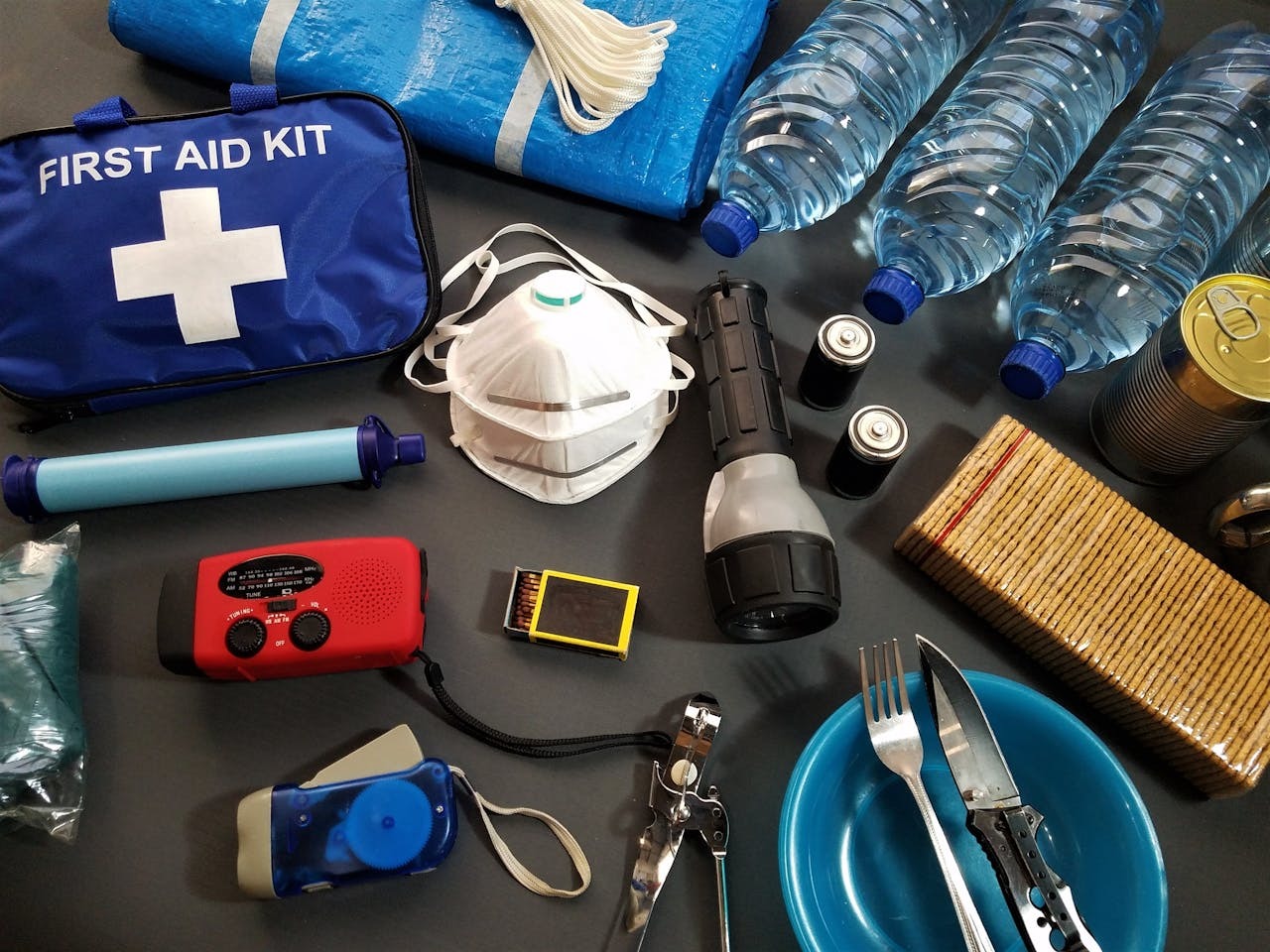
When disaster strikes or you find yourself in a remote location, your first aid knowledge and equipment become the difference between life and death. Whether you're a seasoned prepper planning for society's collapse or someone who simply values being ready for emergencies, mastering first aid skills and assembling the right medical kit should top your preparedness priorities. The harsh reality is that help might be hours, days or even weeks away – and that's when your preparation truly counts.
What core first aid skills should every prepper master?
Every prepared individual needs to master five fundamental first aid skills that can handle the majority of emergency situations. Start with wound care – knowing how to properly clean, dress and monitor cuts, scrapes and puncture wounds prevents minor injuries from becoming life-threatening infections. Learn to recognise and treat shock, as this silent killer often accompanies other injuries and can prove fatal if ignored.
Splinting and immobilising broken bones or sprains keeps victims stable and reduces further damage during transport or while waiting for help. You'll want precision tools like the Premax Straight Tweezers or Premax Slanted Tweezers for removing debris from wounds, while the Premax Nose Scissors handle delicate cutting tasks around injuries.
Hypothermia treatment becomes crucial in survival situations. The Bushcraft Foil Hypothermia Blanket weighs almost nothing but reflects body heat back to the victim, potentially saving their life in cold conditions. Similarly, the Bushcraft Orange Printed Survival Bag provides emergency shelter and warmth when core body temperature drops dangerously low.
Basic life support skills (CPR and rescue breathing) require practice but can restart stopped hearts and breathing. These skills deteriorate without regular practice, so refresh your training annually.
Which essential items belong in every prepper's medical kit?
Your medical kit should address the most common injuries while remaining portable and practical. Start with bleeding control - include multiple sizes of sterile gauze, medical tape and pressure bandages. The Survival Metrics Head for Survival Bandanna serves double duty as both a medical tool for slings and splints and a survival reference guide with crucial information printed directly on the fabric.
For precision work, pack quality tweezers like the TiTech Titanium EDC Tweezers, which won't rust or break when you need them most. The Civivi Tac-N-Tweeze combines tweezers with other useful tools in one compact package. For splinter removal, the Miracle Point "The Splinter Expert" Tweezers excel at extracting embedded debris without causing additional damage.
Cutting tools prove essential in medical situations. The Clauss Professional Snips handle everything from cutting tape to trimming clothing away from wounds. Both the Sliver Gripper Precision Tweezers without Clip and Sliver Gripper Precision Tweezers with Clip offer different carrying options depending on your kit setup.
Don't forget about tick-borne diseases, which pose serious threats in outdoor environments. The Grim Workshop Tick Remover Micro Tool, TickSee Tick Removal Kit, Tick Key Tick Remover, and Tick Key Tick Remover Camo each offer different approaches to safe tick removal without leaving body parts embedded in the skin.
How do you choose between different first aid kit options?
Your choice depends on your specific needs, environment and skill level. The AMK Ultralight/Watertight Kit .3 suits ultralight backpackers and minimalist preppers who need basic wound care in a waterproof package. This kit weighs next to nothing but handles common injuries effectively.
For vehicle-based preparedness, the Helikon-Tex Vehicle Med Kit pouch provides quick access during roadside emergencies. The Helikon-Tex EDC Med Kit bridges the gap between pocket-sized and a full medical kit pouch. It is compact enough for daily carry - perfect for urban preppers who want medical capability without bulk.
Consider your training level when selecting kits. Advanced supplies mean nothing if you don't know how to use them properly. Start with basic wound care and expand your kit as your skills develop. A well-used basic kit beats an unused advanced one every time.
What skills matter most during extended emergencies?
Long-term survival situations demand different medical skills than short-term emergencies. Focus on preventing infections, managing chronic conditions without modern medicine and improvising medical solutions from available materials.
Learn to recognise early signs of infection – redness, warmth, swelling and pus formation around wounds. Without antibiotics, your wound cleaning and dressing techniques become critical for preventing sepsis. Master the art of creating antiseptic solutions from available materials like salt water or diluted bleach.
Improvisation skills separate surviving preppers from casualties. A comprehensive survival kit includes items that serve multiple medical purposes. That same survival bandanna can become a tourniquet, sling or pressure bandage depending on the situation.
Understanding herbal medicine and natural remedies provides backup options when pharmaceutical supplies run low. However, never rely solely on these methods for serious conditions – they supplement, not replace, proper medical treatment.
How often should you practise and update your medical preparedness?
Medical skills deteriorate rapidly without practice. Schedule monthly practice sessions using your actual equipment to maintain proficiency. Work through realistic scenarios – treating simulated wounds, practising splinting techniques and running through emergency protocols under stress.
Your first aid supplies need regular inspection and rotation. Check expiration dates quarterly and replace expired medications, sterile items and deteriorating supplies. Store your kit in a cool, dry location and protect items from temperature extremes.
Consider seasonal adjustments to your medical preparations. Winter requires more hypothermia prevention supplies, while summer emphasises heat illness prevention and insect bite treatment. Your kit should evolve with changing conditions and improved skills.
Training never ends for serious preppers. Take formal first aid courses, wilderness medicine classes and emergency response training. Each course builds on previous knowledge and exposes you to different perspectives on medical care in challenging environments.
How do you integrate first aid preparation with broader survival planning?
Medical preparedness connects directly with your other survival preparations. Your water purification plans affect wound cleaning capabilities. Your shelter preparations influence hypothermia prevention. Your food storage impacts healing and recovery from injuries.
Consider the medical implications of your survival scenarios. Urban disasters create different injury patterns than wilderness survival situations. Prepare for both blunt trauma from debris and infrastructure collapse, and the gradual health deterioration from poor sanitation and nutrition.
Plan for treating others, not just yourself. Group survival situations mean you become the medic for everyone in your family or survival group. This multiplies your supply requirements and demands higher skill levels. You can't help others if you haven't prepared adequately.
Your everyday carry items should include basic medical supplies, even when you're not actively preparing for emergencies. Small cuts and injuries happen daily, and having quality tools like precision tweezers or small bandages prevents minor problems from becoming major ones.
Your first aid knowledge and equipment investment pays dividends long before any major disaster strikes. These skills help with everyday injuries, outdoor adventures and unexpected emergencies that happen to everyone. Start building your medical preparedness today – because when you need these skills most, there won't be time to learn them.
Browse our complete range of professional-grade first aid supplies and begin assembling the medical kit that could save your life or the lives of those you care about.
Why not check out our other great blogs For Gear Recommendations And Outdoor Survival Tips