Top 10 Essential Bushcraft Skills for Beginners
Posted by Heinnie Haynes on 25th Jun 2025
Estimated reading time: 9 minutes
Key Takeaways:
- Fire creation in different weather conditions is your most critical bushcraft skill.
- Simple shelter designs like lean-tos and debris huts provide effective protection for beginners.
- Water location and purification through boiling, filtration or chemical treatment prevents illness.
- Proper knife-handling techniques, including cutting away from your body, ensure safety.
- Map reading and compass navigation skills remain reliable when technology fails.
- Common plant identification starts with easily recognised species like dandelions and nettles
- Essential knots, including bowline, clove hitch and taut-line hitch, solve most bushcraft needs.
- Safe wood processing through batoning and feather stick creation provides fuel in any conditions.
- Camp cooking fundamentals include proper fire management and food storage away from sleeping areas.
- Legal practice requires landowner permission in most UK locations except parts of Scotland.
Learning bushcraft is more than picking up survival tricks. It connects you with nature and builds genuine self-reliance through practical outdoor abilities. If you're starting, you don't need to master everything at once. Focus on ten core skills that form the foundation of confident wilderness living. At Heinnie Haynes, we've been supporting outdoor enthusiasts since 1996, and we know what works when you're learning the fundamentals.
How do you create fire in different weather conditions?
Fire creation stands as your most critical bushcraft skill. Beyond warmth, fire provides cooking capability, water purification and psychological comfort in challenging conditions.
Start with multiple fire-starting methods rather than relying on just one technique. The ferrocerium rod (ferro rod) produces reliable sparks in any weather. Our fire starters range includes proven options like the Light My Fire Swedish FireSteel and Exotac NanoSTRIKER XL, which work even when conditions turn difficult.
Traditional flint and steel offers a rewarding alternative once you've mastered modern tools. The bow drill friction method represents pure bushcraft skill, requiring no equipment beyond natural materials and technique.
Practice these methods in rain, wind and cold. Dry conditions make fire easy; wet November afternoons test your real capability. Gather different tinder types and learn which materials light reliably when damp. Fatwood shavings, birch bark and fine dry grass each behave differently.
Your bushcraft knife becomes essential for fire preparation. Use it to create feather sticks, split kindling, and prepare tinder. Brands like Fallkniven, Morakniv and Condor build knives specifically designed for these tasks.
Essential Fire-Starting Methods Comparison
| Method | Weather Resistance | Skill Level | Equipment Needed | Best Use Case |
|---|---|---|---|---|
| Ferro Rod | Excellent (works when wet) | Beginner | Ferrocerium rod, striker | All-weather reliability |
| Flint & Steel | Good | Intermediate | Flint, steel striker, char cloth | Traditional bushcraft |
| Bow Drill | Poor (difficult in wet) | Advanced | Natural materials only | Primitive skills practice |
| Matches | Poor (fails when damp) | Beginner | Waterproof matches | Backup method only |


What shelter designs work best for beginners?
Shelter protects you from the elements and helps regulate body temperature when conditions deteriorate. Start with simple, proven designs before attempting complex structures.
The lean-to shelter provides straightforward protection using basic materials. Position a ridgepole between two trees, lean branches against it and cover with debris or a tarp. This design sheds rain and blocks wind without requiring advanced construction skills.
A debris hut offers excellent insulation for colder weather. Build a framework with sticks and cover it thickly with leaves, moss and other natural materials. The air pockets trap warmth effectively.
Accelerate your learning with quality tarps and shelters. The DD Hammocks tarps provide waterproof protection you can set up quickly, allowing you to practice shelter principles without fighting failing materials. The 3x3 size offers versatility for different configurations.
Learn to assess terrain before building. Look for flat, dry ground away from obvious hazards such as valley bottoms where cold air settles and where dead trees might fall. Natural windbreaks improve any shelter significantly.
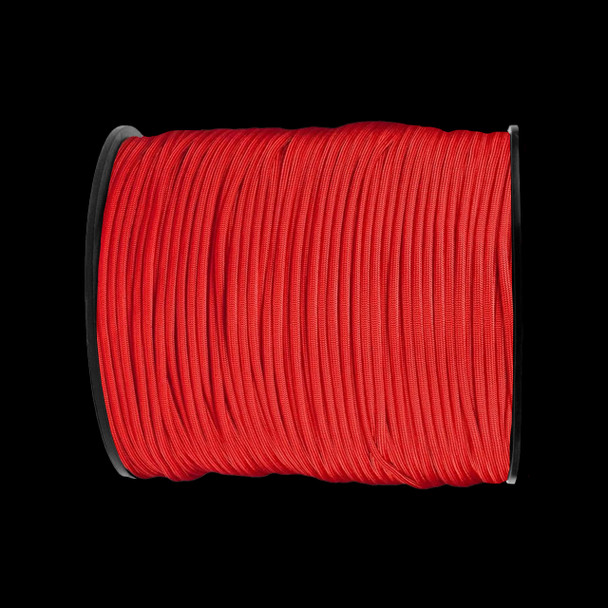
Stock paracord in your kit as proper cordage makes shelter building far easier. The 550 variety provides strength for ridgelines and guy lines, and the inner strands serve for lighter tasks.
How do you locate and purify water safely?
Finding and treating water represents a fundamental survival skill, as dehydration kills faster than starvation, and waterborne illnesses can ruin any outdoor experience.
Look for water in valleys and low areas. Follow animal tracks, as they typically lead to water sources. Listen for running water, which generally proves safer than stagnant pools. Morning dew collected from vegetation can supplement supplies in emergencies.
Never drink untreated water from natural sources, no matter how clean it appears. Giardia and other pathogens cause severe illness.
Reliable water purification methods:
Boiling: One minute at a rolling boil at sea level (add three minutes above 2,000 metres altitude)
Physical filtration: LifeStraw-style filters remove bacteria and protozoa
Press purification: Grayl UltraPress purifies water in ten seconds
Chemical tablets: Lightweight backup requiring longer treatment time
Modern water purification systems offer practical alternatives. The filter straws, like the LifeStraw, remove bacteria and protozoa through physical filtration. The Grayl UltraPress purifies water in ten seconds, perfect for quick camp tasks.
Chemical tablets provide lightweight backup purification. They take longer to work but add minimal weight to your pack. Carry multiple purification methods so equipment failure doesn't leave you without options.
A durable water bottle serves double duty for carrying and purifying water. Stainless steel bottles withstand campfire heating for boiling, making them more versatile than plastic alternatives.



What knife-handling techniques keep you safe and effective?
Your knife serves as your primary bushcraft tool. Proper handling keeps you safe and makes every task more efficient.
Essential knife safety practices:
- Always cut away from your body with your free hand behind the blade
- Maintain a stable, balanced stance with controlled movements
- Use the chest lever technique for batoning tasks requiring power
- Keep your thumb on the blade spine for precision carving work
- Sharpen your knife regularly - dull blades require more force and slip easily
- Understand UK knife laws: fixed-blades need a good reason for public carry
The chest lever technique provides power for tasks like batoning. Brace the knife handle against your chest and use your body weight to drive the blade through wood. This method gives you control while generating significant force.
For fine work such as carving, use short controlled strokes. Keep your thumb on the spine of the blade for precision. The fixed-blade design of quality bushcraft knives provides the strength needed for demanding tasks.
Keep your knife sharp. A dull blade requires more force and slips more easily, increasing the risk of injury. Learn basic sharpening with a whetstone. Five minutes of maintenance after each trip keeps your edge ready.
UK knife law requires an understanding of legal carry. Fixed-blade knives need a good reason for public carry. In the countryside, engaged in bushcraft activities, you're generally fine. In urban areas, lock your knife in vehicle storage. The specifics are covered in our guide to UK knife laws.
How do you navigate without GPS or modern technology?
Learning to find your way without electronic devices builds true outdoor capability. Technology fails, batteries die, but natural navigation skills stay reliable.
Study map reading and compass use before heading out. Understand contour lines, learn to take bearings and practice following routes on paper. The navigation tools we stock include compasses designed for field use, featuring declination adjustment and sighting mirrors.
Natural navigation indicators include:
- Sun position: Rises east, sets west, tracks south at midday (northern hemisphere)
- Polaris (North Star): Located via the Plough's pointer stars for nighttime direction
- Moss growth: Often heavier on north-facing tree sides (less reliable)
- Weather patterns: Prevailing wind direction and weather-worn tree sides
At night, locate Polaris (the North Star) by following the pointer stars in the Plough constellation. Polaris sits nearly true north, providing reliable nighttime navigation.
Natural signs supplement technical navigation. Moss often grows more heavily on north-facing tree sides in the northern hemisphere, though this proves less reliable than many believe. Observe prevailing wind patterns and note which tree sides show more weather wear.
Practice these skills in familiar areas first. Take a map and compass on normal walks, checking your position regularly. Build confidence before relying on these methods in remote locations.


Which plants are safe for beginners to identify and use?
Plant identification adds valuable knowledge to your bushcraft skills. Start with common, easily identified species rather than attempting comprehensive foraging immediately.
Learn to positively identify dandelions, nettles and wood sorrel. These widespread plants appear across the UK and offer nutritional value. Dandelion leaves work in salads, nettle tops make tea, and wood sorrel adds a lemony flavour to meals.
Recognise poisonous plants to avoid them. Foxglove, deadly nightshade and hemlock all grow commonly and prove extremely dangerous. Learn their distinctive features so you never mistake them for edible varieties
Beginner-Safe Plants for UK Foraging
| Plant | Season | Identification | Edible Parts | Uses |
|---|---|---|---|---|
| Dandelion | Spring-Summer | Yellow flowers, toothed leaves | Leaves, flowers, roots | Salads, tea |
| Nettle | Spring-Summer | Heart-shaped leaves, stinging hairs | Young tops | Tea, soup |
| Wood Sorrel | Spring-Summer | Clover-like leaves, white/pink flowers | Leaves, flowers | Salads, garnish |
POISONOUS PLANTS TO AVOID:
| Plant | Key Features | Danger Level |
|---|---|---|
| Foxglove | Purple bell flowers, tall spikes | FATAL |
| Deadly Nightshade | Blackberries, purple flowers | FATAL |
| Hemlock | White flower clusters, purple-spotted stems | FATAL |
Invest in reliable field guides for your region. Multiple identification features (leaf shape, flower colour, growth pattern, season) confirm species identity. Never consume plants based on a single characteristic.
The 100% certainty rule matters absolutely. If you feel any doubt about identification, don't eat it. Bushcraft is about survival and enjoyment, not risking illness through poor plant identification.
What knots do you need for bushcraft applications?
Proper knots prove invaluable across bushcraft situations. Master a handful of reliable knots rather than learning dozens poorly.
The bowline creates a fixed loop that won't slip or bind under load. Use it to secure shelter ridgelines and create anchor points. It unties easily, even after heavy strain.
The clove hitch attaches the rope to poles or trees quickly. Two wraps and it holds securely, yet releases when you need it. Perfect for lashing together shelter frames.
The taut-line hitch creates an adjustable loop in your guy lines. Tension your shelter properly and adjust it as conditions change. This knot saves time and frustration compared to re-tying fixed knots.
The square reef knot joins two ropes of similar diameter. Use it to extend cordage length or tie gear bundles. Ensure both ends emerge on the same side of the knot for maximum security.
Core Bushcraft Knots Quick Reference
| Knot Name | Primary Use | Difficulty | Key Advantage |
|---|---|---|---|
| Bowline | Fixed loops, ridgelines | Easy | Won't slip under load |
| Clove Hitch | Attaching rope to poles | Easy | Quick to tie and release |
| Taut-Line Hitch | Adjustable guy lines | Moderate | Tension adjustment without retying |
| Square Reef Knot | Joining similar ropes | Easy | Extends cordage length |
Practice these knots at home until muscle memory forms. Wet, cold hands in fading light make even simple knots difficult. Rehearsal in comfort means capability when conditions turn challenging.
How do you process wood safely for camp tasks?
Wood processing skills let you create shelter components, prepare firewood and craft useful items from natural materials.
Batoning splits logs using your knife and a sturdy wooden baton. Place your knife edge on the log end and strike the spine with your baton, driving the blade through. This technique creates kindling even from wet wood by exposing dry interior fibres.
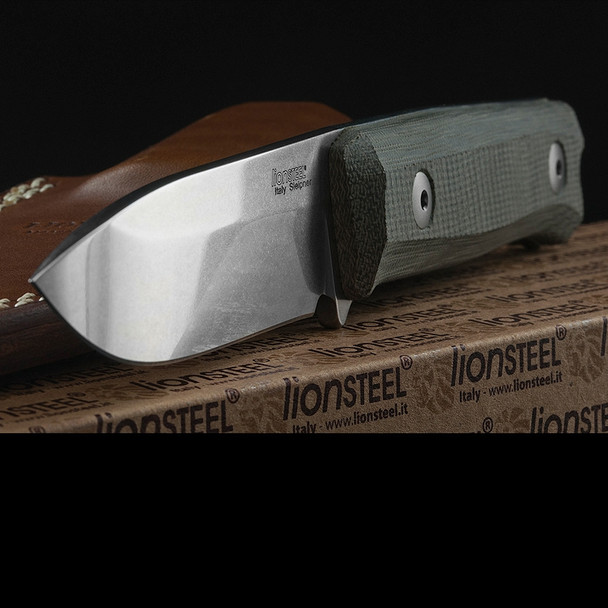
Choose a full tang knife for batoning. Partial tang knives risk blade separation under impact stress. The robust construction of knives from brands like Benchmade and LionSteel handles this demanding work.
Feather sticks catch fire easily and work in damp conditions. Use your knife to create fine curls along a stick, leaving them attached at the base. The increased surface area lights readily, even when outer wood layers remain damp.
When processing wood, work at a comfortable height with a stable footing. Clear your work area of obstacles. One slip with a sharp blade causes injury, so eliminate unnecessary risks through proper setup.
Dead standing wood generally provides better firewood than material from the ground. It stays drier and processes more easily. Look for wood that snaps cleanly rather than bending, indicating good dryness.

What are the fundamental principles of camp cooking?
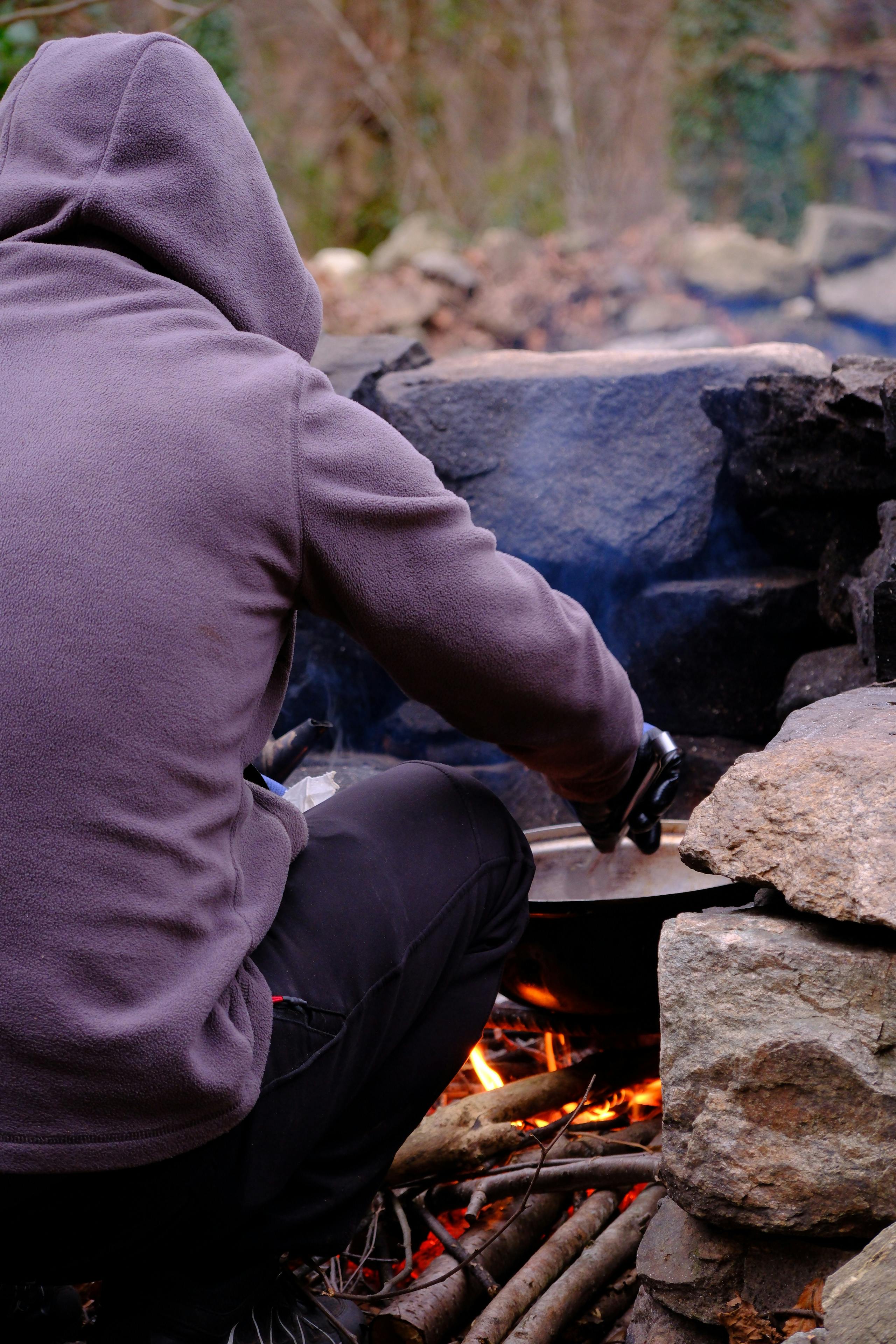
Cooking outdoors requires different approaches than kitchen work. Understanding the basics makes camp meals safer and more enjoyable.
Set up your cooking area away from your sleeping space. Food smells attract wildlife, and separating these zones reduces unwanted visitors. Choose flat, stable ground where spills won't cause problems.
Control your fire size for cooking. Large blazes provide warmth but make temperature control difficult. A smaller, well-managed fire lets you adjust heat precisely. Banking coal to one side creates different cooking zones.
Clean and dry cookware properly after meals. Food residue attracts animals and promotes bacterial growth. Our guides on keeping outdoor cookware clean cover proper field maintenance techniques.
Plan meals that match your skill level and available time. Simple one-pot meals work brilliantly for learning camp cooking. As your capability increases, expand your repertoire gradually.
Store food securely using proper containers or hang it away from the camp. This protects supplies from animals and keeps your site clean. Pack out all food waste rather than burying it.
How do you practice bushcraft skills safely and legally?
Building bushcraft skills requires regular practice in appropriate locations. Understanding where and how to practice keeps you legal and respects land management.
In England, Wales and Northern Ireland, you need landowner permission for bushcraft activities. Wild camping isn't generally permitted without explicit consent. Scotland offers more flexibility under access legislation, but responsible behaviour remains essential.
Join bushcraft groups or attend courses to learn on managed land with proper permission. Experienced practitioners share valuable knowledge and help you avoid common mistakes. Bushcraft courses provide structured learning in safe environments.
Start with simple overnight camps rather than extended expeditions. Build confidence and capability gradually. Test your skills in good weather before attempting challenging conditions.
Always tell someone your plans and expected return time. Carry appropriate safety equipment and know how to use it. A basic first aid kit, emergency shelter and reliable fire starter kit should accompany every trip.
Respect the environment through Leave No Trace principles. Minimise campfire impact, pack out all waste and avoid damaging vegetation. Bushcraft thrives when practitioners demonstrate responsible land use.
Where should you start your bushcraft journey?
Becoming proficient in bushcraft takes time and consistent practice. You're building genuine skills, not collecting gear or ticking boxes.
Begin with basic bushcraft equipment rather than expensive specialist items. A reliable knife, simple fire starter and basic shelter materials let you practice core techniques. Upgrade gear as you identify specific needs through experience.
People who succeed at bushcraft practice regularly. Weekend camps build more skills than reading alone. Get outside, make mistakes in safe conditions and learn from them. Each trip improves your capability.
Focus on one skill at a time rather than attempting everything simultaneously. Master fire-lighting before adding complex shelter designs. Solid fundamentals support advanced techniques better than superficial knowledge of many skills.
The satisfaction of sleeping under a shelter you built, eating food you cooked over a fire you started and navigating by skills you developed yourself creates rewards lasting far beyond any single trip. These abilities connect you with traditional knowledge and build self-reliance that serves you in many situations.
Heinnie Haynes supports your bushcraft development with quality equipment that performs when it matters. Since becoming employee-owned in 2020, we've maintained our commitment to honest, practical advice and reliable gear. Browse our complete range of bushcraft and survival equipment, or contact our team for guidance on choosing the right tools for your skill level.
Frequently Asked Questions (FAQs)
What is the most important bushcraft skill to learn first?
How long does it take to become proficient in basic bushcraft skills?
Do I need expensive equipment to learn bushcraft skills?
Can I practice bushcraft skills in UK parks and forests?
What safety equipment should I always carry for bushcraft practice?
Why not check out our other great blogs For Gear Recommendations And Outdoor Survival Tips